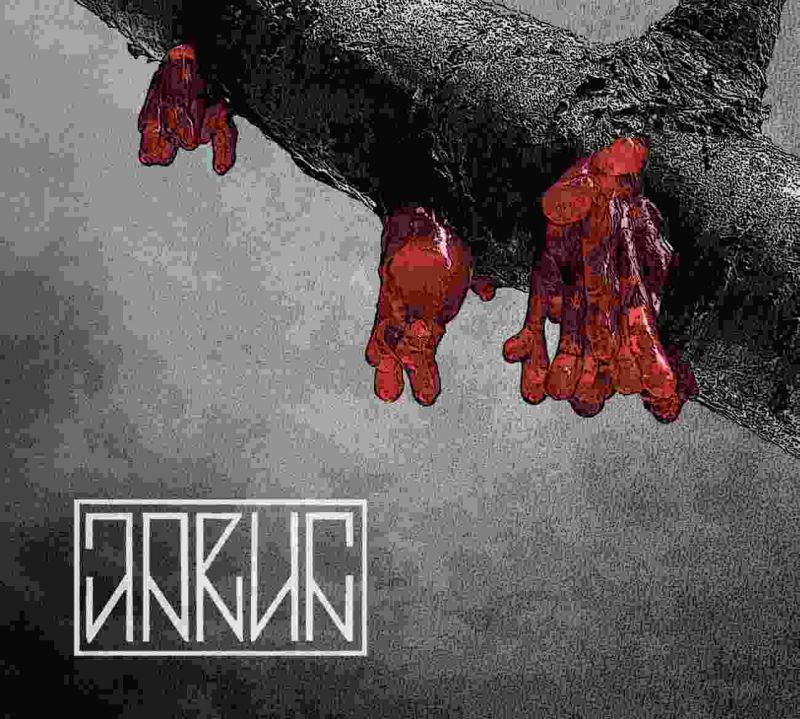
Jarun are a Black Metal band from Poland and this is their second album.
Jarun play Black Metal with Progressive/Folk elements.
This release combines considered reflection, passionate delivery and fiery Black Metal into a cohesive hole that does well to temper Black Metal’s dark flame with a subtle Folkier perspective. The Progressive Metal elements fit well into this musical tapestry and allow the music an even broader scope.
If you think of a merging of Enslaved, Thy Worshiper, Opeth and ugly, primitive Black Metal then you’ll be on the right lines. The juxtaposition of the raw Black Metal core with the sophistication and nuance of Progressive Black Metal is enough for many bands to contemplate, but add to this some Folk influences and Pod Niebem Utkanym z Popiołu becomes even more impressive.
The band have a guitar sound that they use well; when distorted it’s gritty and abrasive, but when the distortion fades it’s nicely clean and polished.
The vocals are gruff, savage barks that wouldn’t be out of place on an underground Grindcore release. They add real bite to the tracks and show that Jarun have that aggressive core, even when the music is more refined.
These songs are impressively realised beasts that have a lot of variety and content to them. They’re well-written and the playing time makes the most of the incorporated styles to take the listener on a journey through Jarun’s highly textured world.
Jarun strike the right tone with their songs and they get the correct balance between their particular influences. Acoustic and cleaner sections abound within the heavier, grimmer framework and the riffs, solos and leads all add a lot to the moods they create.
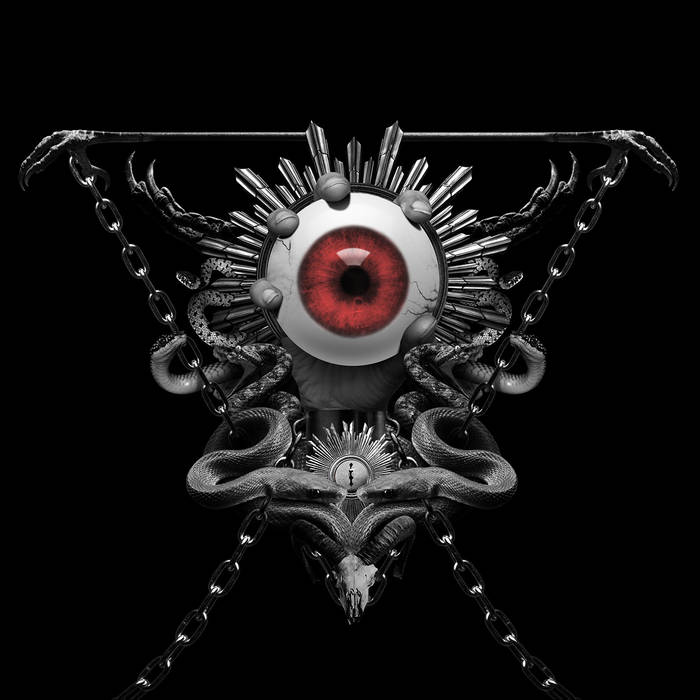
When I first approached this release I wasn’t sure what to expect; the cover gives little away, and I don’t read Polish so apart from knowing it was a Black Metal release of sorts, that was all. As it turns out, Pod Niebem Utkanym z Popiołu has been an extremely pleasant surprise. I love albums that have a depth to them and Jarun succeed in being able to write songs that capture the attention with their Progressive style and yet have ample enough aggression to satisfy.
I do fear this is somewhat destined to be a lost gem; let’s try to stop this from happening. Jarun are a band more than deserving of support; this is an impressive album from a talented band.
This is the début album from Finnish Black ‘n’ Rollers Sågverk.
Angry, Crust-fuelled Black Metal with a modern Rocking aspect and plenty of attitude; Sågverk make this kind of music look easy, but also offer up something a bit different.
There are 8 tracks of Blackened belligerence and groove here, comprising 7 originals and a Metallica cover of Motorbreath.
Buzzsaw riffs and brutal guitars power the songs, but there’s a lot more control here than I was expecting to hear. The tracks are written with more than just Black Metal in mind – as well as the Punk/Crust there’s a bit of a Stoner vibe to some of the riffs, making Sahataan ne Kaikki a bit different from the norm.
The songs are well-written and make use of a strong riff-oriented approach. This is not a release that’s top-speed all of the time, but nonetheless maintains a high energy throughout.
The vocals are shouted screams that vary in tone and delivery a fair deal. Cleans are also used sparingly but it’s mainly all about the shouting. The singer plays his part well and gives a good performance.
The band have a very clean and clear sound; again, a bit different form the norm as this kind of Crusty, Blackened assault is usually a lot dirtier in delivery. It works though and allows the Rockier aspects to their style to come to the fore.
This is a really interesting release that smashes my preconceptions about what Black ‘n’ Roll can sound like. If you imagine a Black Metal/Crust/Punk hybrid, the likes of which we see relatively often, then make their sound cleaner and add in a combination of Kvelertak with a bit of (old) Mastodon to the riffs then Sågverk will be the end result.
Enjoyable and different, Sahataan ne Kaikki is a really good listen.
Neck of the Woods’ début EP is an exciting blend of Progressive Metal and Hardcore fury, one that’s really made itself felt around these parts. I was eager to find out more about this compelling new band…
For those who are unfamiliar with your band – introduce yourself!
Dave: Neck of the Woods is a five piece metal progressive metal band from Vancouver, BC. Myself and Travis Hein on guitars, Jeff Radomsky on vocals, Jason Puder on bass and Jeff Brown on the drums.
Give us a bit of history to Neck of the Woods
Dave: Jeff Drums and I starting jamming back in 2012 after my old band split up. I had one song ready to go and that got the ball rolling. We found the other guys, mostly through Craigslist, and the plan was the keep the band on the down low until we were ready to play our first show. We released a two song demo in 2013 and made our live debut January 2014 ready to go. Just a couple months later we were chosen to represent Vancouver in the Waken Metal Battle Finals in Toronto. We didn’t make it all the way to Germany but we had opening gigs for The Faceless, Havok and Wrecthed shortly after we returned. Hit the studio in October 2014 and here we are now with our debut EP!
Where did the band name come from?
Jeff vocals: When we were picking a name we wanted something that wouldn’t pigeon hole us as a metal band, something that looked good in type and was easy to remember. ‘Neck of the woods’ was something I remembered my dad saying all the time as a child, it fit our criteria and goes along thematically with the art and design I wanted to do while hosting a kind of pacific north west feel to it. We’re all happy to be playing under the name.
What are your influences?
Dave: There are a couple key bands we all really enjoy. Between the Buried and Me, Gojira, Every Time I Die, Opeth, Misery Signals, Converge…
What are you listening to at the moment that you would like to recommend?
Dave: I’ve been listening to a lot of Cloudkicker lately. The album Beacons especially. Instrumental stuff, really cool grooves and riffs. If we’re hanging out having beers we’ll toss on From Parts Unknown, the latest Every Time I Die album.
Your début EP contains a number of different influences, where do you think you fit in the wider Metal scene?
Dave: Wherever we land really. We naturally end up writing in the ‘progressive’ style. Regular use of odd time signatures and cool transitions, quieter clean parts to help with the build ups… but our singer Jeff has more of a hardcore sound so it’s a cool blend. We really don’t limit ourselves when it comes to the style of riffs we write, so you never know!
What’s your favourite song on the EP and why?
Dave: Right now, I Know Where I’ll Bury you. Which is strange because there are no guitar solos on it haha. We ended up choosing that tune to release as the single from the EP, and now kids are going off when we play it live! We’ve been closing our set with it as of late and you can’t help but throw down the whole time. Feels good man.
What are the subjects/themes of the songs on this EP?
Jeff vocals: Self awareness and personal growth are the two main things that all 6 songs branch from. The EP touches on faulty leaders, close friends, family grievances and the quarrels of endorsements.
Give us a bit of information on your songwriting process.
Dave: Travis and I are always riffing, but only certain ones will make the cut. One of us will show up with a decent chunk of a song started… the first couple riffs or the general feel/groove and then we build from there. Play it a couple times, see if we need to extend/shorten certain parts. Usually we’re just hashing it out in the jam space, but lately we’ve started recording riffs and sending them to each other just to help things along.
How do you see your songs/direction developing in the future?
Dave: Hard to say, and that’s the best part. The EP has a pretty good mix of longer prog tunes, and short riffy bangers. I can see that being a consistent thing with us. Actually the new song we are playing has more of a Opeth groove going on. We had a chance to play it at the EP release show and it was really well received. At the same time we’re working on a new thrasher tune that has some Revocation style stuff happening… so we aren’t slowing down just yet!
What’s next for Neck of the Woods?
Dave: We’re got Calgary Metalfest in June and Armstrong Metalfest in July, as well as an all ages gig and another local show in between so we will be busy. Hopefully hit the road again in September to support the EP, and keep on the riffs so we’ve got enough for a full length next year! Make sure to check out the album stream at https://neckofthewoods.bandcamp.com/album/neck-of-the-woods
Ashtar’s highly recommended début album Ilmasaari successfully treads the line between occult Doom and Blackened vitriol; a 46 minute ritual that will leave you begging and gasping for more. I decided to find out a bit more about the creative force behind the band…
For those who are unfamiliar with your band – introduce yourself!
Marko: We are a duo from Basel, Switzerland, playing some kind of blackened sludge doom. Before forming the band, Witch N. was the bassist of the female doom band shEver, I am the drummer of the space doom band Phased. We met for the first time when these bands played together four years ago.
Give us a bit of history to Ashtar
Marko: We started to rehearse in 2012. Witch N. played the guitar and I sat behind my drums. Like that we developed some first ideas but didn’t really know where the way would lead us. We knew we wanted to stay a duo though. After a while we had some songs together and recorded them between December 2013 and April 2014 in a studio in Greifensee, Switzerland. It was the studio of a guy called Mäthe Imboden who’s very much into the Zurich black metal scene and friend of bands like Bölzer. We played all the instruments on our own. That means: We started with the drums and rhythm guitar riffs as basics and recorded the bass, growls, clean vocals and lead guitars as overdubs. Later Greg Chandler of Esoteric, whom shEver had already worked with, mixed and mastered the album in his studio in Birmingham. And in January 2015 we played our first gig with two guest guitarists.
What are your influences?
Marko: We love the modern intellectual metal bands that mix black metal and doom. Many of them come from France or Finland.
Witch N.: Beside other sources of inspiration we like bands such as Glorior Belli, Oranssi Pazuzu, Wolvserpent, Blut aus Nord, Dark Buddha Rising and Eagle Twin.
What are you listening to at the moment that you would like to recommend?
Witch N.: I am constantly trying to discover new underground bands in the sphere of sludge, black and doom although I was a bit neglectful recently… I’d like to mention Laster, Atriarch, Portal, Altar Of Plagues, Sea Bastard, Inter Arma or Bastard Sapling. Besides I do listen to older bands like The Chameleons, The Jesus And Mary Chain or Samhain.
Marko: I also listen to a lot of music that doesn’t sound like Ashtar at all: 70’s prog, kraut, shoegaze, 80’s new wave, modern jazz. It’s difficult to recommend something particular at the moment – well, I always go for Pentagram.
What did you want to achieve with your new album?
Marko: Nothing particular, actually. We just wanted to play other parts in a band than we had before as bassist and drummer. We wanted to do a record with our own songs and play all the instruments on our own. We just felt the need to do our own thing finally.
Are you happy with how it turned out?
Marko: Yes, we are very happy with it. Most of all it wasn’t self-evident for us that the guitars would work that well because they’re not our main instrument. I mean, of course you could always do something better or different if you listen to a record afterwards, but at some point you just have to let loose and hope it still feels good later. And we think it does. It does have a dark atmosphere that spreads through the whole album.
What’s your favourite song on the album and why?
Witch N.: I honestly like all of our six songs, but if I had to decide I would say «Des siècles qui éternellement séparent le corps mortel de mon âme». It’s the most personal song regarding the lyrics, and from the musical approach it starts as the most «black metal» song and then develops into the most representative song for the music of Ashtar. And last but not least: It’s great to scream and growl in French!
Marko: My favourite song is «Celestial» because of its many mood and rhythm changes and because I’m particularly happy with my guitar work in the second part of the song. But I think every song on «Ilmasaari» has it’s own character. So I really like all of them.
What can you tell us about the lyrics?
Witch N.: Generally I do not like to analyse my own words – the listener should be as free and unprejudiced as possible. For sure I don’t want to tell a story with my lyrics, I’d rather want them to be some sort of poems. I see them as an addition to the musical atmosphere, even though I write my lyrics without listening to the specific song. I try to create a special feeling, mood or vibe, to draw a certain picture.
Give us a bit of information on the songwriting process.
Witch N.: The songs on «Ilmasaari» emerged from one or two riffs and jams in the rehearsal room. We always knew quite quickly if a riff had the potential to become a song or not. When a song developed we defined the structures and recorded it as a basis with one guitar, drums and lead vocals. At home, we listened to the recording and tried to add some bass lines, more guitars and vocals. The songs were not completely finished when we entered the studio though – «Celestial» for example developed mostly in the studio. That it turned out to be one of the most intense songs of the album was the proof for us that spontaneous creativity worked very well!
How do you see your songs/direction developing in the future?
Marko: We have no idea because we never plan where we’re going musically. We don’t say: Now we want to sound like Glorior Belli or whoever. We just play and see what happens next.
And what’s next for Ashtar?
Marko: After the release of the CD and tape version of «Ilmasaari» on June 8 we wait for the vinyl to come out in early autumn. And then we plan to tour in winter and spring.
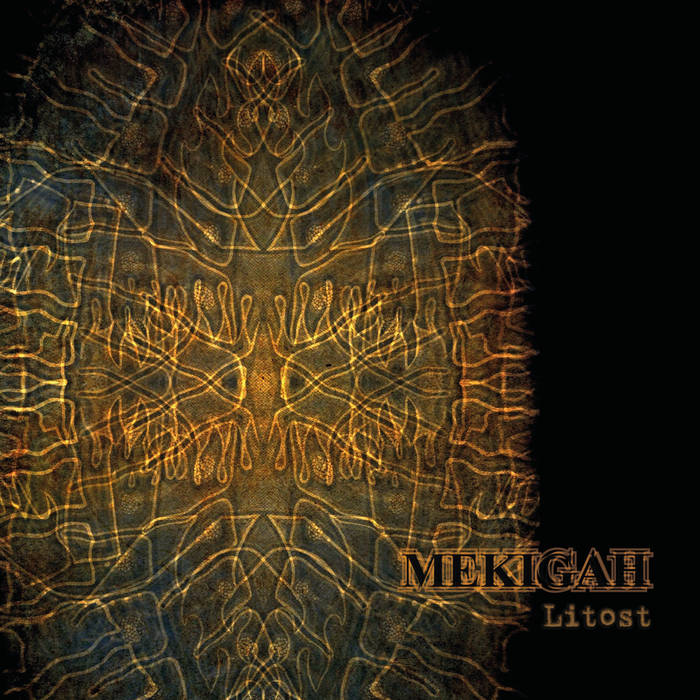
This is the third album from Australia’s Mekigah. They play Industrial/Classical Doom.
This is a tortuous combination of Doom, Noise, Industrial, Ambient and Classical that somehow ends up pulling you into its embrace before you even really know what’s going on. I’m not a huge fan of Noise and a lot of Ambient leaves me cold, usually because there’s nothing to draw you in. Litost is different.
Here we have elements of Noise and Ambient but they’re joined by the usually far more spirited Classical style. Orchestral sounds and emotive synths provide these minimalistic elements with a vibrancy, albeit a dark, malevolent one.
On top of this we have the Industrial aspect to their sound, and, of course, the Doom. This is not a guitar-oriented project though. It’s there, but used just as one instrument of many. Guest musicians aplenty feature on this release, providing everything from vocals, to mellotron, to taishgoto.
Vocals are few and far between. When they appear they’re quite varied and performed by multiple singers across the album. They’re usually quite low-key and are frequently employed as just another method of delivery; another instrument in this disturbing symphony.
This album is surprisingly emotive and engaging. The layers of synths and orchestral sounds work perfectly with the harsher Industrial base to fashion songs that work their way into your subconscious like hooks into flesh.
There’s a Gothic element to this music, but it’s one that has been killed and buried so that its influence is felt through the remainder of the thing that’s growing in its place. Almost as if the remains of a Gothic ancestry were feeding the music we hear here, so that the influence seeps into the cellos and Industrial sounds almost without anyone noticing at first.
If you’re into music that fuses the Industrial and the emotive with a dark atmosphere then this is definitely one to track down. Whether you’re a fan of Ævangelist, Axis of Perdition, Cloak of Altering, Ulver or Indian, Litost has something to offer you.
A very impressive release; I wasn’t expecting something to merge darkness and light so completely. Litost is a thing of grim beauty.
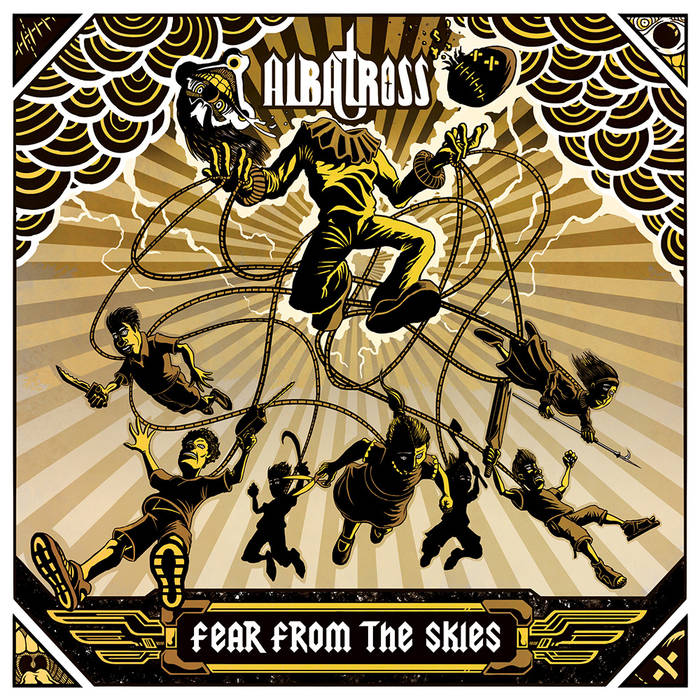
This is the début album from Indian Heavy Metal band Albatross.
We’ve met Albatross before, on their split with Vestal Claret. This is their first full length so it’s a pleasure to be reacquainted with their particularly interesting brand of Heavy Metal.
The songs on this release are all full of character and Albatross certainly put their own spin on things.
It’s the intention of Albatross to tell a story; while some bands who do this do it purely through the lyrics, Albatross strive to ensure that the music talks just as loudly as the words.
This is an album of two halves, with each half having its own story and theme. In line with the album cover, there is somewhat of a carnival feeling to the music on occasion, at least to the first half of the album. The second half is more straight-faced but just as compelling. Albatross are talented song-smiths and have a good ear for a good tale.
Quirky Heavy Metal is the name of the game and here Albatross are playing in the big leagues. Iron Maiden, King Diamond, Queensrÿche and bits of Thrash Metal are all melted down and consumed in some sickly-looking broth, only to be regurgitated in multicolour and in new and glorious ways by the band.
Taking these starting points, the band inject their own colourful personalities and passions into this lively release, resulting in an album that is a feast of delights. It’s extremely well-played and delivered, with some choice solos and vocal performances.
The track record of albums with concepts such as this is chequered at best, but Albatross have produced a winner here.
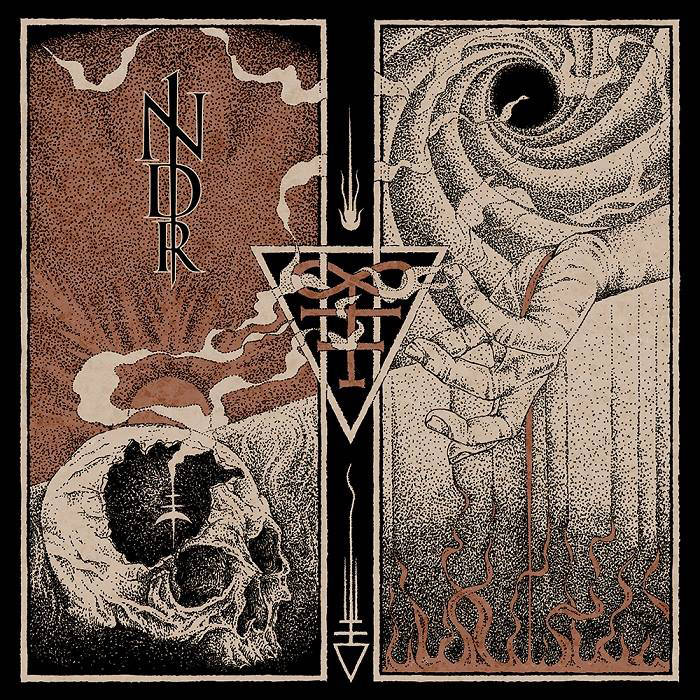
Blaze of Perdition are a Black Metal band from Poland. This is their third album.
The music on this album combines malevolent atmospheres with occult stylings to create a masterpiece of supreme Black Metal art. Blaze of Perdition manage to simultaneously remain true to Black Metal’s heart of darkness while being bold enough to fashion it to their steely will.
If you worship bands such as Deathspell Omega, Watain, Marduk and Funeral Mist then this is for you. Like the aforementioned bands, Blaze of Perdition take the listener on a journey through Blackened soundscapes and rarely-explored musical vistas.
It’s not that the band are wildly innovative, very few bands are; it’s more that they have a gift for twisting Black Metal into shapes that are perfectly recognisable yet still manage to impress and have their own warped personalities and identities. Bands like this manage to create their own dark worlds that you seem to fall into, emerging once again only when the journey is complete and the music has had its way with you.
Near Death Revelations succeeds in capturing the essence of what makes Black Metal so exciting and provocative. The band infuse this with their unique vision without losing the core identity of the style. The songs are compelling and engaging compositions that are diverse enough to retain interest without straying too far from the central stylistic themes.
Black Metal is an ever-mutating beast that throws up challenging new interpretations almost as much as it pumps out those who seek to recreate the core style of the genre. Bands like Blaze of Perdition are exceptional in that they not only create their art at the precise point where both avenues of exploration overlap, but they also use this point to diverge into their own full-fledged existence, and take up the mantle as leaders, not followers.
Near Death Revelations may have been born out of tragedy but its coming of age will be a thing of dark, resplendent beauty. As the phoenix arises, all shall cower from its terrible, glorious form.
The Negation are a French Black Metal band and this is their second album.
French Black Metal always has something interesting to add to the genre and there are a large amount of quality and interesting Black Metal bands that call France home.
With this in mind, let’s have a look at The Negation. As becomes swiftly apparent, this is another gritty jewel in the French scene’s horned crown.
The Negation play grim-ridden Black Metal that stylistically speaks of bands like Deathspell Omega and Funeral Mist, mixed with the more orthodox Black Metal delivery of someone like Dark Funeral and the raging hatred of a band like Anaal Nathrakh.
Raging hatred is a good term for The Nagation; this is music that definitely rages and you can almost feel the heat come from the guitars. There’s an ugly brutality to this and the songs on Memento Mori are like dangerous slabs of spiked hatred-made-manifest.
Occasionally breaking out from the band’s onslaught are dark melodies and even the odd solo. These fleeting attempts to escape the nihilistic vacuum that the band creates are quickly drawn back into the fold though and smothered with darkness, not to be seen again until the next brief escape attempt.
Blackened screams that are seemingly filled with bile and disgust infest the music like malignant growths.
This is not pretty Black Metal. This is raw, evil and devastating. It’s also a damn fine listen.
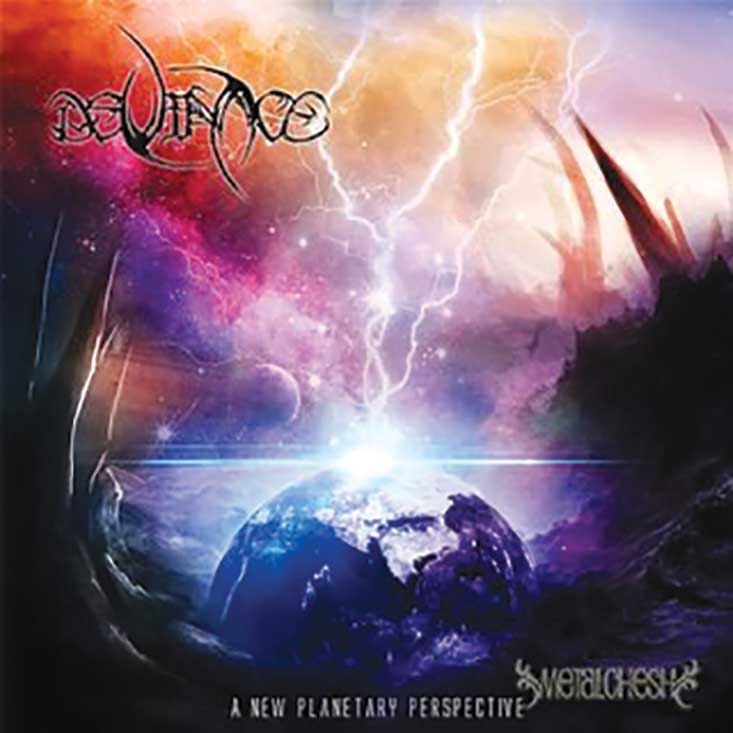
This is the début album from US one-man Death Metal project Deviance.
This is Technical/Progressive Death Metal that’s not shy of flexing its musical muscles and showing off what it can do.
Frequent leads and solos are built around a sturdy rhythm section and scathing vocals. The songs tread that fine line between ostentation and brutality without sacrificing too much of one for the other.
Decent grooves and riffs work with the overt technicality. Winding melodics make brief appearances and the songs seem to pulsate and mutate with careful yet unexpected life.
The tracks are intricate beasts that sometimes keep a central theme to them so that a song is still identifiable amidst the complex barbarity; other times though they allow themselves to journey where they see fit, snaking and sliding their way through involved guitar sections and convoluted drumming. Either way, it’s an enjoyable listen.
This album has an interesting feel to it. The music is less-song oriented than Progressive Death Metal can sometimes be and instead veers towards outright Technical Death Metal territory where the songs are a lot more frequently sacrificed for the sake of complexity. Having said that though, this is notable in that it’s not overly-frenzied or chaotic as a lot of Technical Death Metal can be. This is a more restrained and thoughtful complexity; the brain behind Deviance knows exactly where he wants to take the music and the journey is what matters, rather than the structure itself.
Cello, violin and keyboards all make appearances, widening the musical vistas available to the listener. It all adds value and makes a good impression.
The vocals sound like scraping sheets of steel grinding against each other. That’s the deep growls. The higher screams just sound like reality is tearing.
This is a quality album of Technical Death Metal that’s notable for its lack of chaotic frenzy and for its more restrained approach to complexity and nuance. Throw in a bit of atmospheric enhancement and the end result is a most enjoyable 50 minutes.
Neck of the Woods are a Progressive Metal band from Canada and this is their début EP.
Music like this is an exciting prospect; birthed of Metal in all its glorious forms, Neck of the Woods don’t constraint themselves with just one style and instead coherently incorporate lots of influences into their musical framework.
This is interesting, stimulating music for fans of Converge, Between the Buried and Me, Devil Sold His Soul, Mastodon, etc. – essentially any band that’s pushing the envelope, playing music from the heart and daring to be a bit different.
Under the overall aegis of Progressive Metal, Neck of the Woods pack Modern Metal, Melodic Death Metal, Post-Metal and Technical Metal into nearly 29 minutes of playing time.
The throaty roar of the singer’s voice carries the deep resonance of Extreme Metal while the music explores the boundaries of its self-created domain.
The band can certainly play and they have a good side-order of technicality dished up with their meals. The complexity serves the songs though, rather than the other way around; the guitars carry the listener through landscapes that are familiar and yet fresh at the same time.
For all of this, the band are a very easy listen. The songs are vibrant and satisfying in the way that only good Metal can be. They have personality and seem to have been created purely for the love of it, as should be the way. Yes, there is aggression here, but it’s not of the nihilistic, hate-fuelled variety. Although I’d stop short of describing this as friendly music, it certainly is personable and agreeable. If you’re into heavy music, that is; the average person on the street would probably just view this as noise, as they tend to do with anything even vaguely Metallic.
Neck of the Woods are an exciting new addition to the worldwide Metal scene and I’m eager to hear what they do next.
Oh, and they also have a song called I Know Where I’ll Bury You. Class.

 Jarun are a Black Metal band from Poland and this is their second album.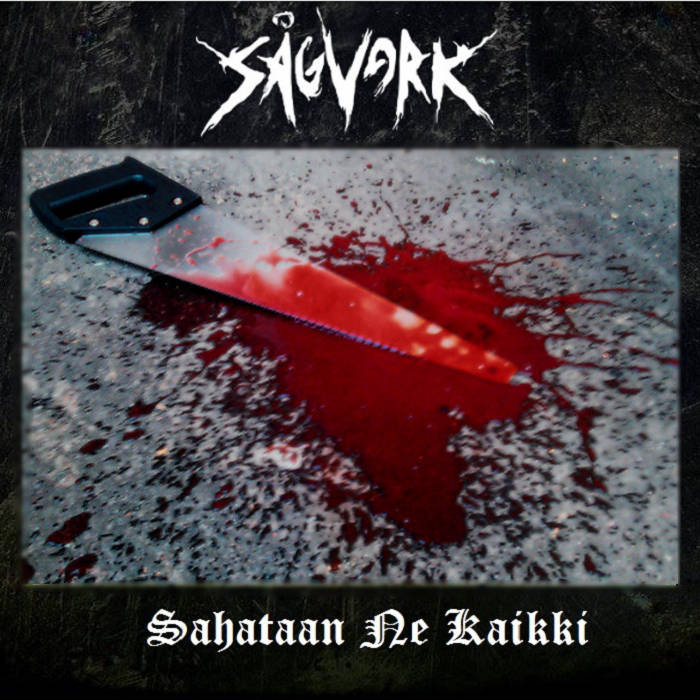

 Your début EP contains a number of different influences, where do you think you fit in the wider Metal scene?
 Wonderbox Metal