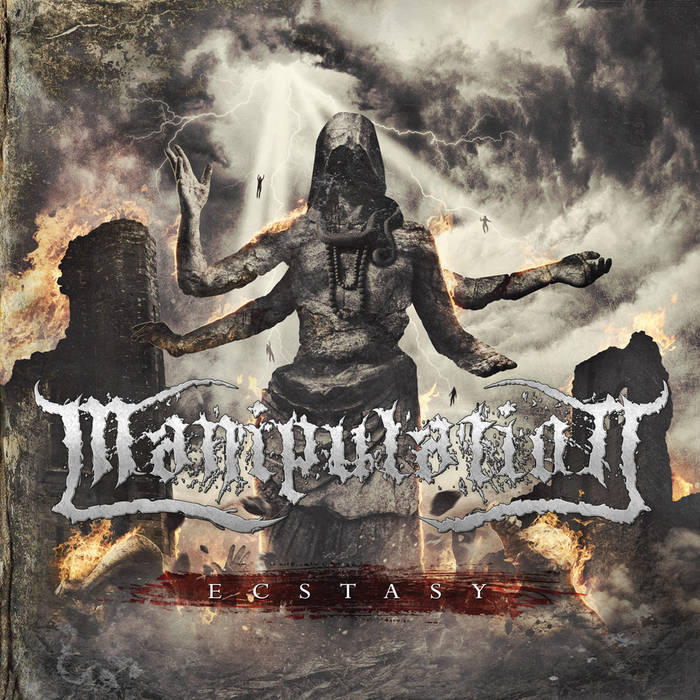
Manipulation are a Polish Death Metal band and this is their third album.
Manipulation play muscular Modern Death Metal with plenty of attack and some interesting twists to the standard formula.
Blast beats and chugging mid-paced carnage are the order of the day, but the band also throw in some unexpected atmospheric moments throughout, via the inclusion of melodic guitars, subtle keyboards, choral-like cleans, etc.
Add to this experimentalism some ultra-modern riffs and Deathcore influences and you have 44 minutes of engaging Extreme Metal, the likes of which Poland always seems to do so well.
The songs are well-written and, as mentioned previously, Manipulation aren’t afraid to experiment or try new things, which is great to hear. This edge of Progressive Metal is buried within their core sound, but really does add to their delivery. When these elements mix with blasting extremity or heavy grooves it all comes together very nicely indeed.
The vocalist has a passionate and dynamic growl that fits the music well, giving them the Death Metal anchoring they need as well as enough variety to move beyond this and into more emphatic territories.
Energetic brutality with a playful spin on the genre; this is really, really impressive.
Against the Plagues are a US Death Metal band and this is their third album.
Featuring a crushing and professional sound, Against the Plagues play Death Metal mixed with lashings of Melodic Black Metal.
Deep growls and higher screams are the singer’s weapons of choice, with both sounding feral and full of hatred.
The band manage to take the savagery of Death Metal and infuse it with the melodic poison of Black Metal’s dark soul. This mixture means that Purified Through Devastation contains a good deal of catchy and memorable content. It’s not all blasting and brutality, (although they’re quite adept at that too), and these songs have quite a bit of atmosphere when they want to. Think a combination of Immolation, Morbid Angel and The Kennedy Veil crossed with Dimmu Borgir.
The muscular sound backs up the innate strength of the songs and subtle keyboards add a nuanced juxtaposition against the bare brutality of the drums and aggressive riffs. Mood and feeling is created with melodic workouts and the band can get quite martial and epic in scope on occasion.
It’s a modern take on Blackened Death Metal that sees the band highlighting the glossier, state-of-the-art side of both genres, resulting in a well-polished album that is also very well crafted. The band clearly know what they do and do it well. As Extreme Metal goes in 2015, this is a definite winner in my book.
This is an album that spits venom and fire, one that I’m more than happy to visit again and again. I suggest you do too.
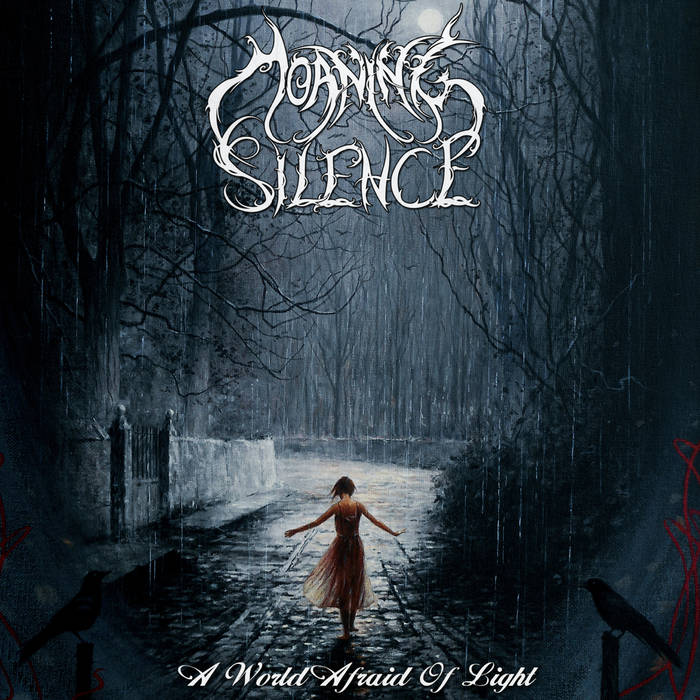
This is the début album from Greek Gothic/Atmospheric Metal band Moaning Silence.
Featuring the kind of sound that was making big waves late 90s/early 00s, Moaning Silence play it well and I haven’t heard too much like this of late.
Combining the drawn-out Gothic sorrow of My Dying Bride with elements of Anathema’s approach, Moaning Silence have created an album that pays homage to the emotive, expressive side of Metal. There’s also an Anathema cover included for good measure.
Both male and female vocals appear, with the male vocalist’s voice having a quality to it that’s somewhere between the singers of My Dying Bride and Sentenced, while the female singer has a liquid, silken quality to her voice that is quite enticing.
This kind of style has been done to death, of course, so whether you enjoy what Moaning Silence have to offer depends on where your saturation point is for this kind of thing. I’ve pretty much reached mine, but I can still appreciate that Moaning Silence do what they do well, and there are some nice ideas on this release that show a lot of promise for the future. In fact, I enjoy them at their most when they’re relaxing a bit and letting the atmosphere flow naturally, as in tracks like The Last Days of December, (which is also notable for its lovely guitar solo and Classic Rock vibe).
As a début album, there’s still a lot of work to do for the band; I think they need to find their own style a bit more and also tighten up both the writing and the sound. Having said that though, there’s still a lot to enjoy on A World Afraid of Light, and I do like that this isn’t the ostentatious, flashy, overly-commercial brand of Gothic Metal either; this is a more earthy, honest interpretation of the original style that birthed a thousand Lacuna Coils.
So, give them a listen and see what you think.
Favourite Track: On Fragile Wings. Just a damn good song.
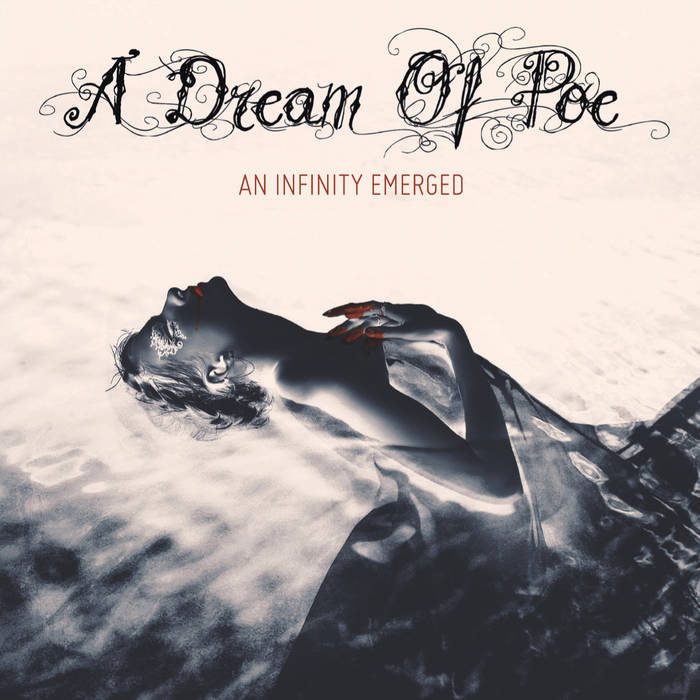
A Dream of Poe are from Portugal and play Doom Metal. This is their second album.
This is Traditional Doom Metal that’s rich of texture and hue, laced with a subtle Gothic influence and plenty of majestic melodies; think My Dying Bride-esque.
The singer has a charismatic voice with just the right amount of drama added to the performance. He adds a lot of colour and flavour to the tracks and acts as a focal point for the misery-drenched music.
The songs are long, drawn-out explorations of beauty and tragedy, coming across as chapters in an epic tale of loss and woe.
Subtle keyboards underscore the emotive themes while the guitars provide a bedrock for the evocative atmospheres to attach themselves to. The songs are slow, moody and full of dark feelings.
Each track takes its time to get where it’s going and there’s no impetus to make things hurry along; this is a very good thing as the relaxing pace of the music is quite hypnotic and it’s easy to just switch off and absorb this album.
This is 56 minutes of quality Metal. Highly recommended.
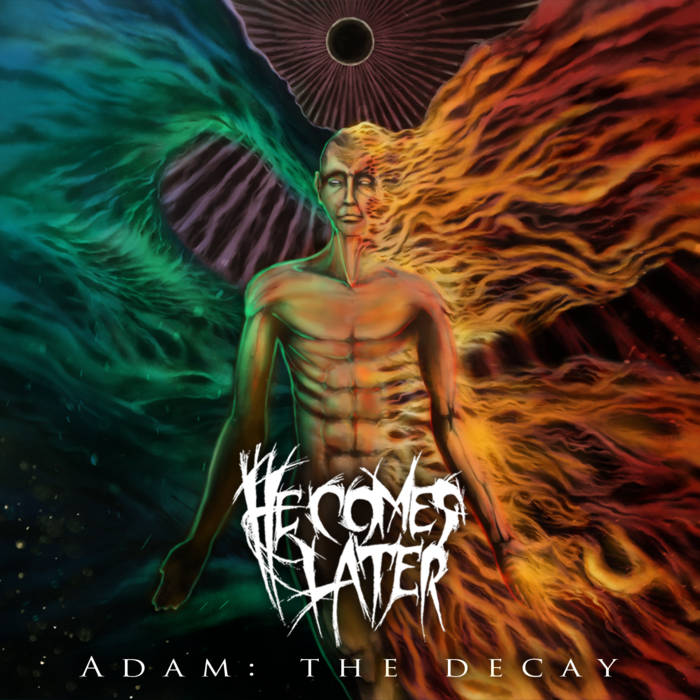
He Comes Later are an Italian Deathcore band and this is their second EP.
After a relatively epic intro track, the first song, Beneath My Skin, sets the tone for the EP and He Comes Later reveal themselves to be Deathcore with some extras that you don’t normally find in this style.
They have the requisite blasting drums and groove-heavy guitars that work with the deep growls and higher screams. There’s lots of uplifting parts too, as well as melodic leads to add texture. There’s also a lot more going on here as well.
The songs have some interesting ideas on them, such as the inclusion of clean vocals and orchestral/keyboard elements on some of the tracks. It adds an extra layer of interest and helps keep the attention. Deathcore is a sub-genre that very easily gets stale, fast, but He Comes Later have enough ideas to keep things sounding stimulating and relatively fresh. I also like that they incorporate a decent amount of speed and blasting, as too much Deathcore tends to stay in mid-paced, groove-heavy territory.
The band have quite an accomplished sound on Adam: The Decay and largely seem to know what they’re doing with the material. There are some good riffs on here and enough dynamics and energy to keep things interesting.
Well, I’ve enjoyed this more than I expected too; some nice Deathcore with plenty of bite and enough elements enhanced by other influences to make this a meaty and tasty release.
It will be very interesting to see how this band develop from here and what they do with their first full-length release. I’m hoping that they develop their more experimental and atmospheric side, while keeping their core brutality; if they can do this then their début album will be very good indeed.
For the moment though there’s still 27 minutes of music on this, which is more than enough to keep us occupied for the moment. Time to give it another listen, I feel.
The Rodeo Idiot Engine are a Hardcore band from France. This is their third album.
After enjoying their previous work this is an album which was gratefully received and devoured hungrily.
This is a band that excel at fusing chaotic Hardcore’s violence with Post-Hardcore’s intricacies and Screamo’s passion. The atypical rhythms, nasty semi-melodies and absolutely caustic vocals are an aural treat for any fan of extremity.
I love this kind of modern, violent Hardcore and there are a lot of bands that do it well, with the king of the genre being the mighty Converge, of course. The challenge for any band playing in this sub-genre then, for me, is to do it in such a way that stays true to the foundations of the style while avoiding sounding like a Converge-clone, which is easier said than done.
Suffice to say, The Rodeo Idiot Engine avoid this easily, (otherwise I wouldn’t be having this discussion), and the music on Malaise is both of-the-genre and very much their own at the same time. Exploding out of the speakers with pure fury and venom, this is an album that is resolutely its own beast.
At 38 minutes in length with 9 tracks, this shows the band’s evolution to, (on average), longer songs and more-involved displays of songwriting. They still absolutely rip, tear and burn through the playing time with ease, but they now do it with greater complexity, inventiveness and moments of deeper reflection and introspection.
I’d also say that Malaise is darker than their previous work. Not that they were ever shining beacons of sunlight, mind. Full of emotive intensity and compelling rage, this is an album worth repeated visits.
So, three albums in and The Rodeo Idiot Engine have produced their best work yet.
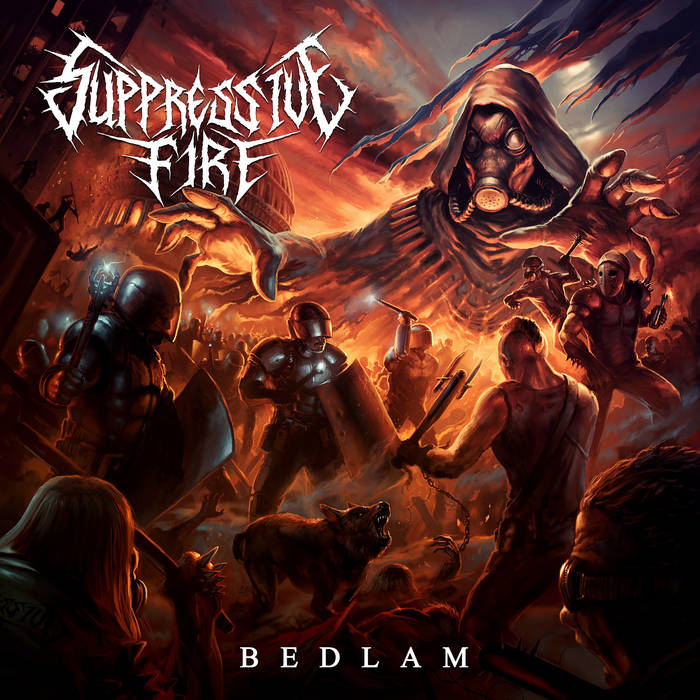
Suppressive Fire are a Death/Thrash Metal band from the US. This is their début album.
I receive a lot of music promos, and I have to decide whether I’m going to give them a listen with a view to reviewing them, or not. There are lot of different ways I do this, lots of informal and flexible rules that sometimes vary quite a lot depending on how I’m feeling, what time of day it is, etc. Sometimes though, as with Suppressive Fire’s début, it’s all about the album cover. Something about the cover of Bedlam is just so unashamedly Thrash Metal, but without any retro-cheese-nonsense, that I just had to listen to it.
So here we are. As it turns out, sometimes you can judge the proverbial book by its cover.
Suppressive Fire play aggressive Old-School Death/Thrash Metal with a Blackened edge to it that makes it a far more aggressive proposition than most.
The songs are ugly, gritty and full of barely-contained spite. It’s pretty much a 50/50 mix of Death and Thrash Metal which gives the band an energetic sound that comes out in the riffs and galloping/blasting drums.
Featuring a suitably Old-School sound, the album rockets along powered by chemical weapons and nuclear fear. The guitars are riff-heavy and there’s plenty of solos to sink your teeth into.
It’s a decent collection of songs that have a subtle catchiness to them that initially seems buried under the barbed assault of the delivery, which essentially increases the longevity of the album as the songs don’t become too-familiar, too quickly.
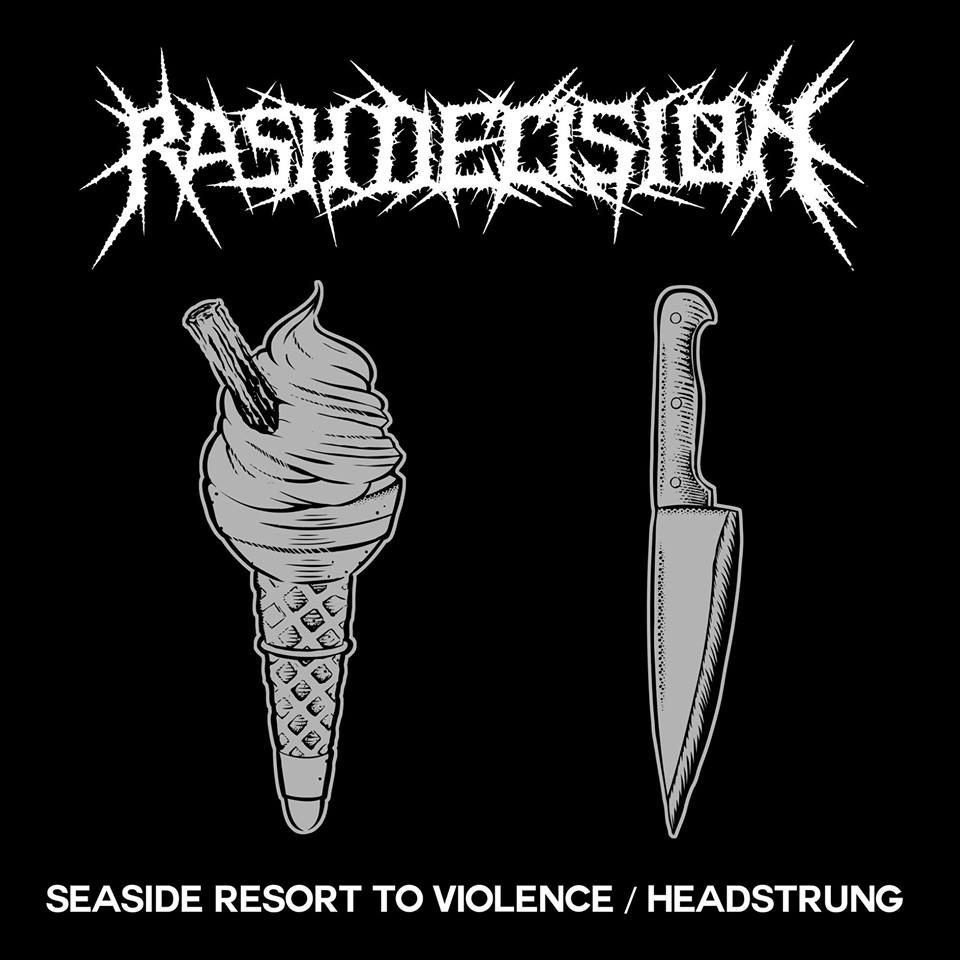
Rash Decision are from the UK and play Crossover Thrash/Hardcore.
Picking up from where Seaside Resort to Violence left off, Headstrung features 17 minutes of up-tempo violence.
The songs are short, simple and take a hearty chomp out of the musical landscape. This is a band who aren’t concerned with the subtleties of things and just want to Thrash it out with short songs and immediate impact.
Shouted vocals with a Hardcore tilt to them are well-performed and his voice is nicely hoarse.
The band have a good energy to them and sound like they’d be really good live. On their last release I liked the inclusion of Thrash influences without a stupid retro/ironic-vibe and this remains true of Headstrung – these tracks know when to be Hardcore and know when to be Metal and pay due respect to both genres.
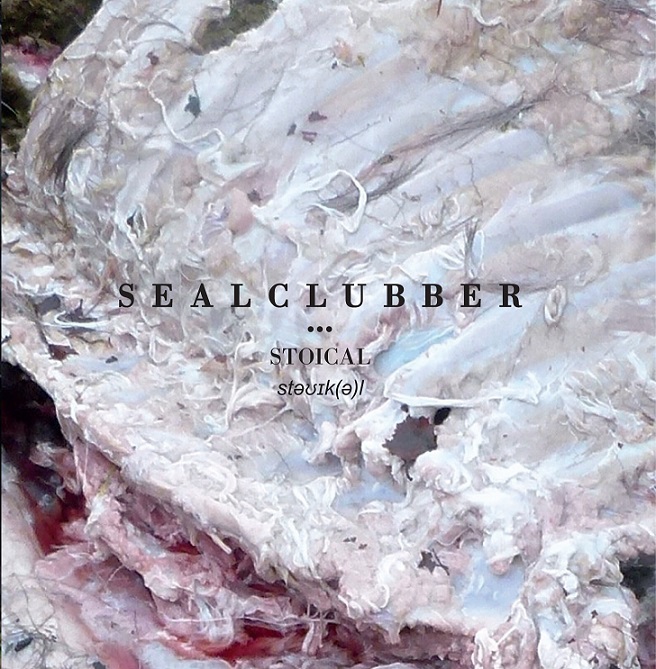
Sealclubber are a UK Sludge band and this is their début album.
Sealclubber play abrasive Progressive/Post-Sludge Metal that takes in elements of Crust and Hardcore to produce a lively and gritty 44 minutes of music.
The sharp Hardcore energy of some of the riffs is also alive in the harsh shouted vocals, which are full of both threat and feeling.
This is juxtaposed against the slower, more atmospheric parts that have a dirty Post-Metal sheen to them, like something struggling to be born whole out of a world of filth.
Add to this the emotive Sludge elements that the band seem to pull out of nowhere when they need to and you have a very well-rounded release that shows Sealclubber to be an uncompromising and multifaceted band who are capable of many moods throughout these six songs.
This puts me in mind of the old Cave-In and Botch releases where both bands really pushed what it meant to be a Hardcore band. Sealclubber have similar ambitions it seems, only coming from a Sludge angle and delving deeper into both, (quite divergent), Hardcore and Post-Metal routes at the same time. This split focus shouldn’t work, but it really does, marrying what little common ground there is between the two styles with a murky Sludge Metal coverall.
With divergent influences, comes great risk, but with great talent, comes great reward.
A Melodic Metal release with real bite and attitude? Enter Aktaion’s début album, Throne. It’s an album that makes a mark and will rightfully be giving the band some deserved exposure. It’s time to find out a bit more about the band…
For those who are unfamiliar with your band – introduce yourself!
Francis: We are four individuals from Halmstad, Sweden. A medium sized city in Halmstad, known for being the home of Roxette and Arch Enemy among other things. We are: Me, Francis Larsson, on guitars and most of the writing and anything production-wise. Jonas Snäckmark, vocals and some beautiful screaming! Axel Croné, bass and anything that you need to blow into. Jonatan Ney, guitars and backing vocals.
Give us a bit of background to Aktaion
Francis: Aktaion as it is today was together under another banner in 2010-2013 where a lot of the playing and writing for Throne took place. With the release of Throne in 2015 we wanted to reform as Aktaion, without much changing except the attitude towards the band and music! This is why you will find us referencing to the “early days” of us in the group playing together before Aktaion was formed.
Where did the name come from?
Francis: While recording vocals for Seven in the current home of Axel we were in the process of finding a name for the band. While warming up I picked up a big book which contained myths and symbols from different cultures and almost at the first page I came across Aktaion and we felt at home right away. Aktaion is the Swedish version of Actaeon, the ancient myth of a hunter who comes across Artemis in the woods, bathing naked. Actaeon is therefore to be turned into a stag by Artemis if he is to speak again. He speaks and is then devoured by his dogs.
What are your influences?
Francis: I find inspiration almost everywhere. I listen a lot to non-metal like Ulver, Swedish Bo Kaspers Orkester. But of course I also listen to some metal, lately a lot of Pantera and Soilwork, which I discovered a couple of months ago. Always in for some Machine Head or Baroness and some Arch Enemy, especially their older records.
Jonas: Zappa, Lamb of god, At the gates, Primus and Gojira.
What are you listening to at the moment that you would like to recommend?
Francis: Except all of our new songs, all the time, all day… I listen to the latest Bo Kaspers Orkester. And of course all the classic Christmas songs.
Jonas: Son of Mr. Green Genes – Zappa, great track with a great flow that suits every situation of the day. And Moral in Corrosion – Construcdead, great song with impeccable refrain!
Give us a bit of background to Throne – any particular concepts or ideas you want to discuss?
Francis: As of a unified concept for all the songs on Throne, no! Those songs are truly “old” for us now. I started writing some of them as early as 2010 and the last one was finished by 2012-2013 and finally released in 2015. There is quite a span of time between that. In writing the lyrics I always have some kind of a vision ranging from destruction by nuclear war to critique towards faith in general.
This differs quite radically from our upcoming album where there is a strong concept behind the whole album and I strive to bring a strong connection not only in the music itself but also throughout the lyrics of the whole album.
How do you go about writing your songs?
Francis: Wow this really changed through the years. For Throne the songs were mainly written with the help of Guitar Pro 5. In the recording the guitars a lot of the parts and riffs changed and then with adding the vocals they could change yet again. Very few of the songs were played together as a band and written in the moment. Almost always I would bring complete songs into the rehearsals.
Nowadays I mostly write directly into Pro Tools through the Kemper. With the help of Addictive Drums the songs grow through the movement of the guitars which forms the base of all the songs. With us not doing any rehearsal now our first encounter with the songs are while recording them.
Was it important to you to keep a high-level of aggression on these songs?
Francis: Yes, and yes. In a lot of ways that is a must! Either there is a chorus, an aggressive build up or pure aggression. I always strive to make the riffs and music themselves stand alone in delivering aggression and power, and then the vocals just add to that base I tried to establish.
How did the recording process go?
The recording process of Throne was long. Years. Not because it needed it but because we did not know what we were doing in the beginning. In the early days Jonatan played keyboard in the band. So the first version of Throne (say 2011) was quite different from the finished product you hear now. Then came a long process of trying to make the record sound anything like a record and periods of not even thinking about it. For some reason (quality based) we re-recorded the guitars and bass in 2014 with Jonatan changing to guitar and therefore re-recording most of the keyboards parts with the guitar. I found that the sound the songs needed came through much better without the keyboards in between everything. It got a much rawer sound which the songs really thrive in. Then in the summer of 2015 I came to a point when I though we need to get out of this prison so I got the logo for the album, released it and felt freedom. Then my life opened up again and I and the band realized our music is fun! Which is very much the reason why we are working towards our new album right now!
What’s your favourite song on the album and why?
Francis: Hard to pick one, I have a real love/hate relationship with each and every one of them. Nothing really beats the chorus at the end of The Disease but that special song for me is M.A.D!
Jonas: Thousands, just because it gives everyone a chance to show off the skills and mindset of the band, although I love Prison Walls, Thousands gives so much with its complexity and nuance.
What does the future hold for Aktaion?
Francis: Right now we are deep into writing and recording our next album The Parade Of Nature. We just released our first single of it called ‘Seven’. It is quite a ripper and does not hold anything back, even in some ways go from the classic down-tempo-choruses-trend we heard on Throne. There will be more of that on the album as a whole but this song sets the bar for what Parade is all about.
The Parade Of Nature will be released early 2016 and then we are hitting the road in the last two weeks of March for several dates in Sweden and Finland, together with Finland’s own Coraxo. We are looking into mainland of Europe for June!

 Manipulation are a Polish Death Metal band and this is their third album.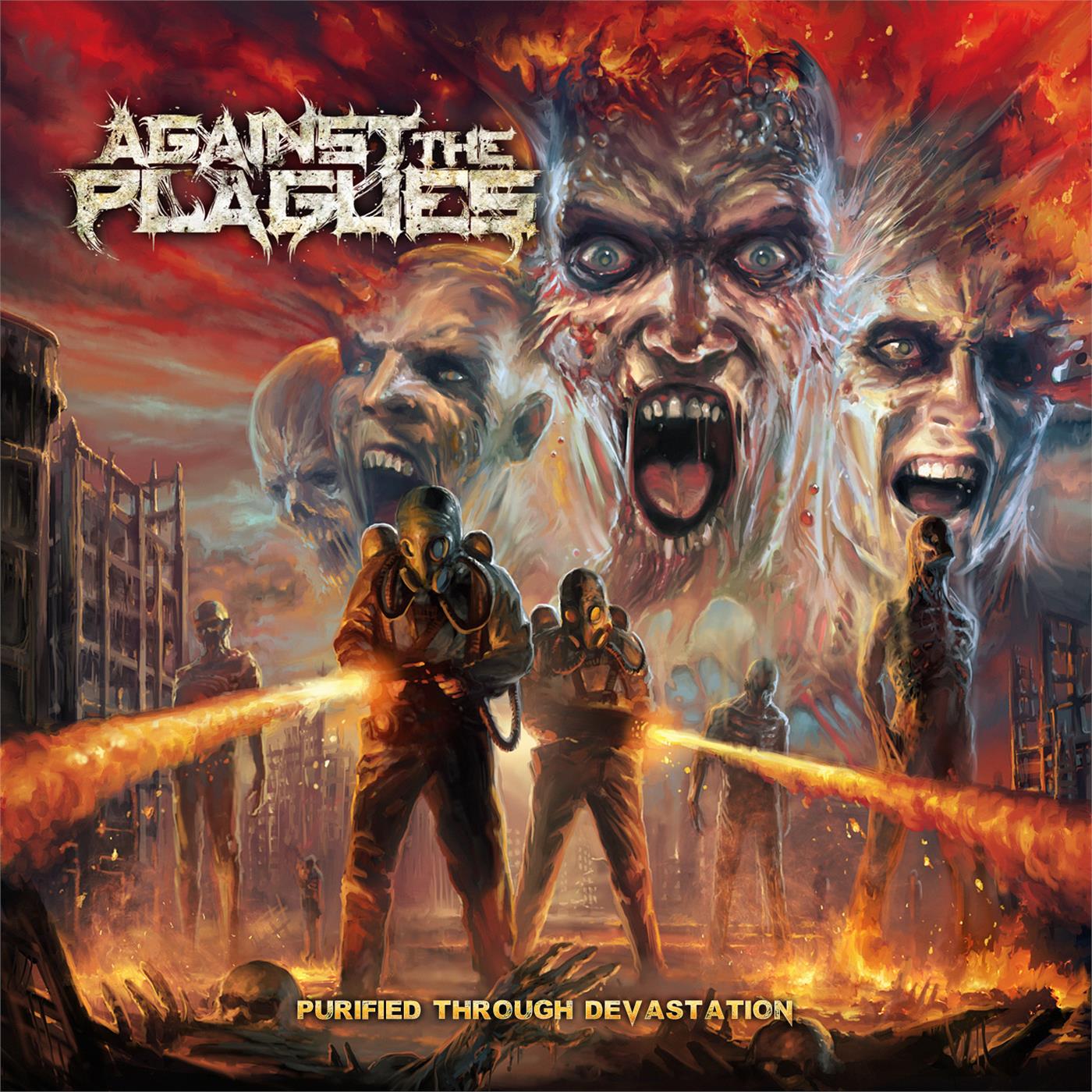

 Wonderbox Metal