Happy new year, Metal fans! So let’s take a look at some of the best releases of 2015.
As usual, I’d like to include the usual disclaimers about the subjective nature of any such list, and how if I were to compile it again at a different time, it would undoubtedly look different.
With that being said, there was a Hell of a lot of good music released in 2015, and the below is just the tip of the iceberg, really.
I have decided on a top-30 this year, although it could easily have been more. Some of the other notable bands that have made it onto the list in previous versions include the following, in no particular order –
Heaving Earth, Nyx, Arcturus, The Big Jazz Duo, Unhold, Apocrophex, Below the Sun, Ecferus, Hope Drone, Unbreakable Hatred, Ancient Moon, Terra Deep, Abyssal Ascendant
Even just right here, that’s a lot of great Metal, nevermind all of the ones I’ve probably forgotten.
So, without further preamble, starting at the bottom and working our way up – I give you the Wonderbox Metal-approved Best of 2015 list…
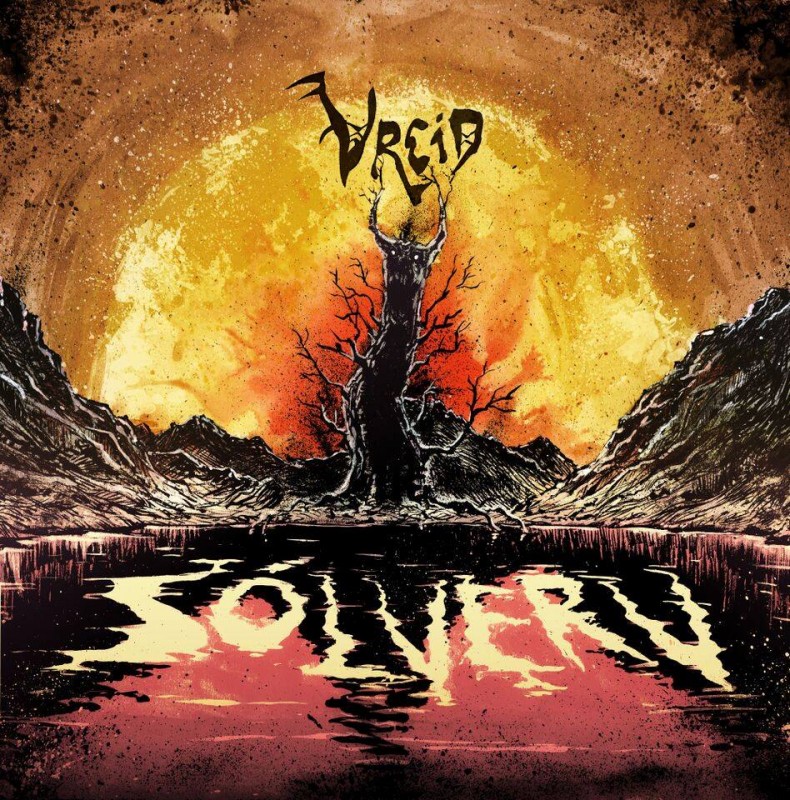
 30 – Vreid – Sólverv
Norwegian Melodic Black Metal that’s sharp, colourful, fast and full of energy and colour. Having loved their precursor band Windir, I still can’t believe I overlooked Vreid for so long. Thankfully, that is now rectified. This is atmospheric in ways that most bands merely aspire too, and Sólverv is a great listen.
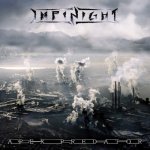 29 – Infinight – Apex Predator
Infinight offer sophisticated, maturely-written and well-played Power Metal. They’re the only Power Metal band to make it onto the list this year, with Apex Predator living up to its name in some ways, as this really is a top-tier album. Infinight are all about the songs, and on Apex Predator they certainly deliver.
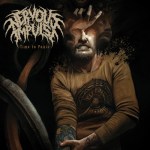 28 – Nervous Impulse – Time to Panic
Nervous Impulse offered up some of the most intense and exhilarating Deathgrind that I’ve heard in a good while, and Time to Panic is 36 minutes of Grade-A Grinding chaos. It’s both heavy and extreme, but still manges to find the time for song-structures and skilled writing.
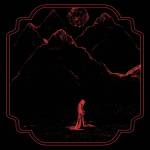 27 – Flesh of the Stars – Hide
Traditional Doom Metal with an occult, sinister vibe; Flesh of the Stars are perfectly attuned to their chosen style and Hide is thick with atmosphere and memorable music. Some of the parts of this release are enough to get the hairs standing on end, and Hide is a thoroughly enjoyable listen.
 26 – Forgotten Tomb – Hurt Yourself and the Ones You Love
Forgotten Tomb return with another album of Depressive Black Metal, this time with a more aggressive slant than some of their previous work. Catchy without sounding commercial, they really have honed their style to a fine killing point, and this album is definitely a keeper.
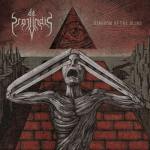 25 – De Profundis – Kingdom of the Blind
UK band De Profundis have flourished with their latest release of Death-inspired Technical/Progressive Death Metal. As a band who are striving to be the best they can be and deliver music that’s both challenging and accessible, (for the style), De Profundis succeed and Kingdom of the Blind is a firm favourite at Wonderbox Metal.
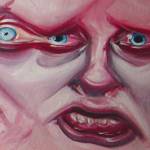 24 – Cult of Occult – Five Degrees of Insanity
A crushing, filthy display of ugly Doom across 65 minutes; Cult of Occult’s latest release is an exemplar of Sludge Metal dragged out to epic Doom lengths. This album positively drips with anti-social scorn and horrible intentions, which means we crave it all the more. We like the abuse.
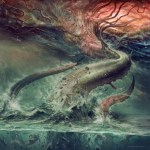 23 – Sulphur Aeon – Gateway to the Antisphere
As Death Metal albums go this is simply gargantuan. Bowel-shaking vocals, monstrous riffs and mysterious, underworld atmospheres make for songs that are heavy and brutal yet still have more emotive qualities to them than most. A very impressive release from this German band.
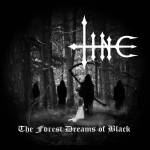 22 – Tine – The Forest Dreams of Black
Symphonic Blackened Death Metal is quite hard to do well, but Tine have it all sewn up nicely. This is a passionate and personal release that exudes emotion and atmosphere amongst the brutality and power. If you only get one Black/Death Metal hybrid release this year then this is the one.
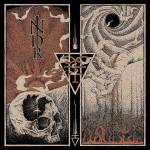 21 – Blaze of Perdition – Near Death Revelations
Supreme, sophisticated Black Metal art, with lashings of occult atmosphere and malevolent auras. Near Death Revelations succeeds in capturing the essence of what makes Black Metal so exciting and provocative. Blaze of Perdition easily take up the mantle of leaders and not followers on this album.
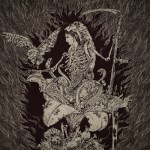 20 – Outre – Ghost Chants
More sophisticated Black Metal here, this time from Poland’s Outre. Ghost Chants is an exceptional release that combines Atmospheric Black Metal with Post-Black Metal sensibilities to create transcendental Dark Art. Upon repeated listens there’s always something new to discover.
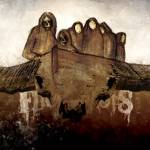 19 – Fuck the Facts – Desire Will Rot
A veritable Canadian Grindcore institution, Fuck the Facts are always a good listen. This latest album of theirs is no different and presents the listener with a multi-faceted Grind release that demonstrates just how effective the style can be when in the right hands. Challenging and impressive.
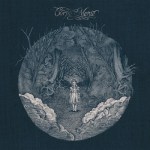 18 – Corpo-Mente – Corpo-Mente
This is exotic, sensual music that combines Dark Rock, Trip-Hop and Electro Avant-Garde. It’s something a bit different from everything else on this list and shines all the brighter because of it. This album is a sumptuous feast of aural delights and contains so much WOW-factor it’s hard to credit. Listen and be converted.
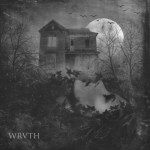 17 – Wrvth – Wrvth
Wrvth have produced a hugely impressive experimental/Progressive/Technical Death Metal album that takes a lot of emotive qualities from Post-Metal and works them into its strange brew. An innovative and impressive release from a very talented band.
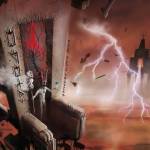 16 – Ogotay – Dead God’s Prophet
Here we have Polish Death Metal at the height of its game. Dead God’s Prophet is muscular Death Metal that has a touch of the mystical and the mysterious about it, resulting in an extremely strong album that blows away the competition.
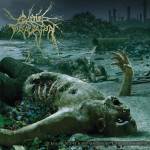 15 – Cattle Decapitation – The Anthropocene Extinction
These veteran Death Metallers keep getting better with age, and The Anthropocene Extinction is a perfect example of how Death Metal can be true to its roots while also being cutting edge. This is 46 minutes of quality Death Metal that’s not afraid to do its own thing and succeeds because of this. Savagery and intelligence combined.
 14 – Immortal Bird – Empress/Abscess
Immortal Bird are Death Metal, but only in the loosest of senses. Theirs is a more expansive palette than most bands’, with Empress/Abscess being more refined and all-encompassing of other styles than purely Death Metal. It’s an engrossing listen and indicative of so much that’s good in Extreme Metal.
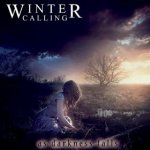 13 – Winter Calling – As Darkness Falls
Polished and professional Progressive Rock that’s been a real fixture of some of my playlists; this is the kind of album that just grows and grows. Since originally writing my review of it I’ve grown to love it more and more. As Darkness Falls contains catchy and memorable songs and takes the listener on a real journey through Winter Calling’s world.
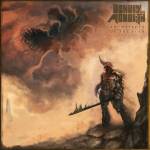 12 – Behold! The Monolith – Architects of the Void
A varied Doom/Sludge Metal release that mixes up sub-genres to create an involving album that has that special secret ingredient, causing it to add up to much greater than the sum of its parts. This is an album that has come to mean a lot to me and I hope you enjoy it as much as I do.
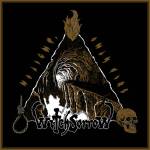 11 – Witchsorrow – No Light, Only Fire
No Light, Only Fire is the most enjoyable album of Traditional Doom Metal I’ve heard this year. Well-written songs backed up by a thick guitar sound means that this is a sterling release that should be enjoyed by an Metal fan. This is one I can listen to again and again and again.
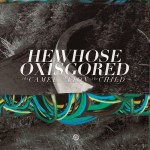 10 – He Whose Ox Is Gored – The Camel, the Lion, the Child
This is a band who have an individual and interesting take on Progressive Atmospheric Doom. Theirs is music that’s rich and emotive, taking multiple influences and styles and incorporating them into a cohesive whole. The Camel, the Lion, the Child has lots of character and isn’t afraid to be itself.
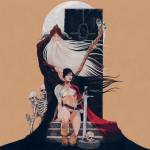 9 – Khemmis – Absolution
Another interesting Doom Metal album. This one flirts with Traditional Doom but also injects a nastier Sludge Metal influence into things, resulting in an album that spans both styles very nicely indeed. There’s a lot of hidden gold on Absolution and this is a first-rate album.
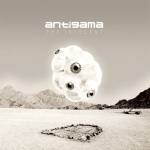 8 – Antigama – The Insolent
Where can you find rabid, brutal Grindcore mixed up with a will to experiment and push boundaries? Why, wherever you find Antigama, that’s where. The Insolent is a force of nature, effortlessly combining savagery and intelligence with ease. Complex brutality for a refined palate.
 7 – Cloud Rat – Qliphoth
Cloud Rat deliver us yet more inventive and individual Grindcore. Theirs is an experimental and surprisingly atmospheric and emotive take on the genre, but no less vicious for it. The songs have depth and intensity, and the band have proven what massive talent they have. You need Cloud Rat in your life.
 6 – Secrets of the Sky – Pathway
An eagerly awaited release by yours-truly; Secrets of the Sky once again show why their Atmospheric Doom/Post- Metal is an essential listen. This aptly-named album takes the listener on a real journey through vivid soundscapes. Bigger and better than ever before.
 5 – Abstracter – Wound Empire
Rarely has cloying, suffocating Sludge felt so visceral and nastily enticing. This is a gloomy, heavy, grim masterpiece of atmospheric brutality. Effortlessly combining the beauty of Post-Metal with the dirty horror of Sludge, this album has definitely become a firm favourite of mine.
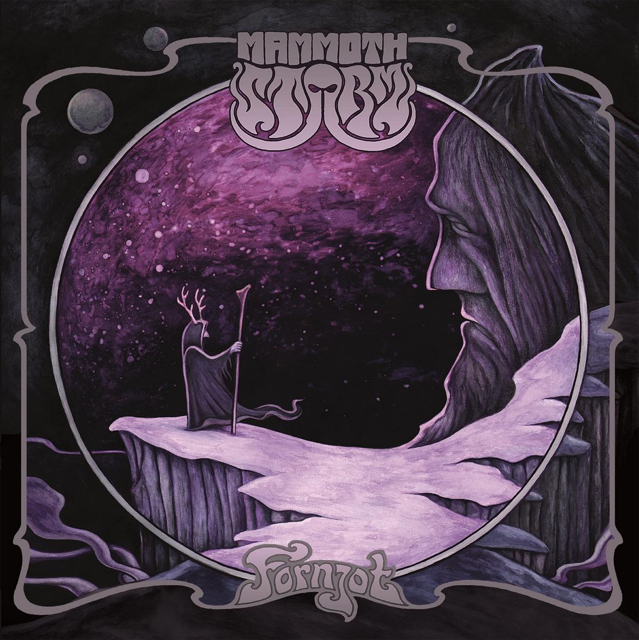
 4 – Mammoth Storm – Fornjot
Mammoth storm play vibrant, colourful Doom with lashings of atmosphere and Post-Metal transcendental qualities. I was very quickly captivated by the immensity of this album and just how compelling and engaging it is. Hugely impressive.
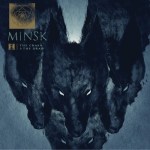 3 – Minsk – The Crash & the Draw
This is a hefty slice of Post-Metal that showcases a varied, multi-textural delivery, rich with evocative and emotive soundscapes. The songs seem to build on themselves until the music acts like waves, reinforcing itself. It’s easy to get wrapped up and lost in their music and Minsk should be way more popular than they are after releasing this gem of an album.
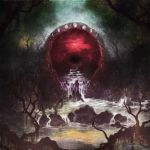 2 – Un – The Tomb of All Things
This is a dark and personal trip into the dimly-lit world of all things Doom. The album offers a dark and harrowing musical journey that you’d be foolish not to explore. The level of depth and emotion rawly on display here is staggering, and Un really have created something special.
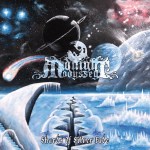 1 – Midnight Odyssey – Shards of Silver Fade
And here we have it – top spot. This year it has been awarded to Shards of Silver Fade, which is Atmospheric Black Metal of the highest order. This colossal and epic release is a massive 143 minutes in length and every part of it is essential. Highly emotive and deeply moving, this is richly evocative music that you just can’t fail to be touched by. This is an incredibly special album that’s just exceptional and demands attention. I can’t rate this highly enough, which is why it’s my album of the year. Go and find a dark place and listen to it as soon as you can.
I wonder what 2016 will bring? I can’t wait to find out.

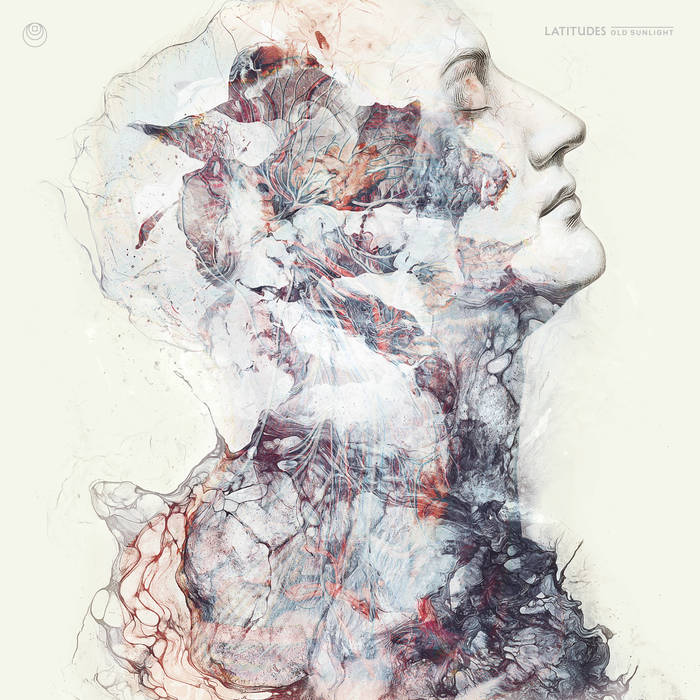 This is the third album from UK Post-Metal/Sludge band Latitudes.