Spektr – The Art to Disappear (Review)

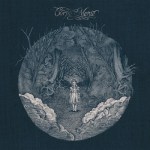
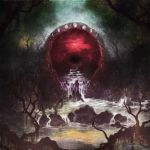
SpektrSpektr are a Black Metal band from France. This is their fourth album.

Spektr specialise in harrowing Industrial-tinged Black Metal that laces elements of Ambient throughout this bleak journey into the fractured darkness of the human psyche.

Blackened melodies are twisted and warped to fit the band’s grim vision of what the music should sound like. Spektr have never been a standard Black Metal band and on The Art to Disappear they continue to provide a nightmare soundscape onto which they paint broken ideas of urban claustrophobia and mechanised fear.

Listening to Spektr is like listening to the living embodiment of a rhythmic, pulsing evil. They have always been somewhat of an acquired taste for this reason, as their non-standard take on the genre is simply too much for some. This is music that pushes boundaries by the very nature of the terrible conceptual understanding of horror that lies at their very core.

The Art to Disappear plays out almost like a film soundtrack, ebbing and flowing with different darkened moods throughout the 41 minutes playing time. Although, if this actually were the case, I imagine it would be the most terrifying film of all time. It’s a very holistic album for this reason, with each song acting as a different scene, each more upsetting and disturbing than the last.

All credit to them, this level of unpleasantness is not an easy one to achieve.

Dare you listen to this?

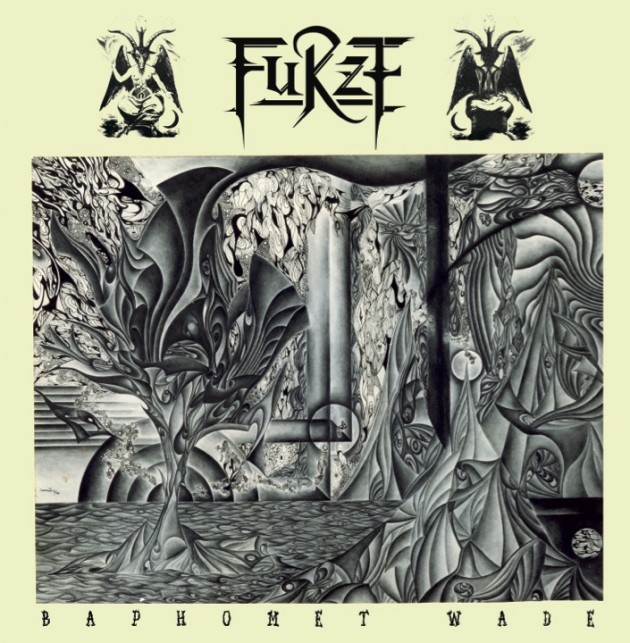
Furze – Baphomet Wade (Review)

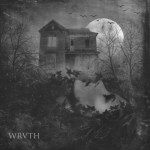
FurzeFurze is a one-man Norwegian Black Metal project. This is his sixth album.

Furze’s Black Metal is not the conventional kind. Full of unusual riffs and strange melodies, Baphomet Wade is definitely not your average release. Stylistically rooted in the Second Wave of Black Metal, it’s as if this take on the genre has been interpreted through a maze of Chinese whispers, resulting in a distorted version of Black Metal that’s still recognisable as such, but isn’t quite right nonetheless.

Riffs are unusual and inventive, taking their Black Metal heritage and filtering them through Doom, Psychedelia and who knows what else to end up with the twisted melodies that are on display here.

The interesting thing, (one of many), is that for all of this unusualness, the songs are still very good in their own right. This isn’t wild experimentalism; there are a lot of standard components, parts and sections to the tracks on Baphomet Wade, it’s just that these standard parts are inventively created and interpreted, resulting in songs that are in many ways standard Black Metal songs, but in other ways are something quite special.

A lot of it is about the guitars. Why settle for something generic when you can put a creative spin on things? This seems to sum up the mindset behind this quite nicely, and it’s one that more bands would do better to adopt.

The closest I can come to a comparison would be the warped offspring of a merger between Forgotten Woods, Tjolgtjar and Sigh – individual, expressive, unusual and inspired.

The end result? 41 minutes of engaging, enjoyable music that’s full of songs that grab hold and demand your attention.

Highly recommended.

Exterminas – Dichotomy (Review)

ExterminasExterminas are from Italy. They play Black Metal and this is their second album.

Dichotomy is 40 minutes of Orthodox Black Metal that’s fast, aggressive and venomous.

Exterminas have managed to inject a decent amount of atmosphere and melody into this release without watering down their inherent aggression or hatred. It’s a great combination to hear, as the razor-sharp guitars do what they need to for the songs; strike out in deadly haste, pull back in contemplative readiness or soar up high with colourful grace.

The singer’s dark growls are full of malice and the music backs his sentiments up to the hilt. He’s probably channelling pure evil through his throaty delivery, but whatever he’s doing it works as a brutal counterpoint to the sleek, sharp songs.

Featuring a great combination of speed and malignant groove, Exterminas certainly know their stuff and Dichotomy is a well-wrounded and complete Black Metal effort.

A strong sound cements the package, giving the band the base of power needed to propel the songs higher without compromising the integrity or feel of the underground aesthetic.

Very highly recommended. Cult Black Metal with a bit of personality and plenty of style. Seek this out.

Ende – The Rebirth of I (Review)

EndeEnde are a French Black Metal band and this is their second album.

This is traditionally-styled Black Metal that is both raw and atmospheric, creating frozen soundscapes with an effective use of dark melodies and icy riffs.

The vocals howl out from the frosted wind, screaming with venomous diatribes and foul incantations. The singer’s voice has a wonderfully liquid sharpness to it that flows alongside the fluidity of the music very well.

The sound is perfectly judged; the right combination of raw fragility and distorted power. Combined with the effortlessly mood-driven riffs these songs easily transport the listener to lands full of coldness and pain. Which is what we want, obviously.

As Black Metal goes this is up there with the best of them really. Black Metal is a multi-faceted and constantly evolving beast, but sometimes you just want a quality dose of the classic Blackened style done extremely well, and Ende do this better than most. The added emotive, atmospheric aspects of the grim guitar melodies simply cement Ende as having more to offer than the average purveyor of this style.

Highly recommended.

Windfaerer – Tenebrosum (Review)

WindfaererWindfaerer are a Black metal band from the US. This is their second album.

Windfaerer have a Black Metal base which they build on with Melodic Death Metal and Folk-style influences. Their Folky Black Metal vibes are melodically fluid and have an added bite via their Melodic Death Metal influences.

Sharp and streamline, these songs create atmosphere via a variety of delivery methods; whether that be through fast guitars and relentless drums, dual guitars that are subsumed into the Melodic Death/Black easily, or slower, more evocative sections.

Added to all of this is a violin that speaks of the band’s Folk influences and the overall melancholic atmosphere that Windfaerer foster through the faster sections as well as more reflective, slower parts.

These songs are both familiar and friendly; it’s a joyful listening experience, despite some of the darker atmospheres that infuse the music, and it’s one that’s easy to digest and enjoy. These seven tracks are well-paced and well-judged, delivering just the right amount of diversity to hold the interest while remaining cohesive overall.

Windfaerer have produced a strong album that’s a recommended listen for anyone who likes a bit of Melodic Black/Death Metal with some nicely-played violin.

Mephorash – 1557 – Rites of Nullification (Review)

MephorashThis is the third album by Swedish Black Metallers Mephorash.

Throughout the four extended tracks on this release Mephorash demonstrate their approach to elite, sophisticated Black Metal art. Theirs is Black Metal that conjures effective atmospheres without neglecting the rest of the music; the band have both heaviness and bite to them when they need it.

Managing to create music that’s both resplendent and uplifting as well as drenched in the occult and mysterious is no mean feat, but this album manages to juxtapose those two aspects of Black Metal quite nicely.

The band fuse the style’s core delivery with influences from Atmospheric/Post-Black Metal to create a contemporary spin on the genre that nonetheless has all of the essential elements in place to produce something both recognisable and special.

Featuring all kinds of additional enhancements, (keyboards, choral singing, guest vocalists), that work well within the music to add layers of depth to it, these songs are strong exemplars of the style of Black Metal that bands like Watain/Deathspell Omega pioneered so well.

There’s a vibrant unlife pulsing through these songs and they bristle with dark energy. It’s a joy to hear and the strong production allows them the space to do what they do unfettered.

Mephorash have created something really impressive with this album and I know I’ll be listening to it and trying to unravel its dark secrets for some time to come.

Interview with Tine

Tine Logo

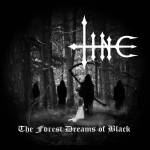
Tine have been responsible for an extremely enjoyable début album – The Forest Dreams of Black. This is a Symphonic Blackened Death Metal album that contains real passion, feeling and atmosphere. It’s rare that you get such a visceral sense of personal connection with the creators of an album, especially so when it comes to Extreme Metal, but Tine have managed to pull this off nicely. Curious, I had to find out more…

For those who are unfamiliar with your band – introduce yourself!

Count Murmur: Tine combines elements of black, death, and symphonic metal to convey a personal musical and philosophical vision. The band is a vessel for my darkest thoughts and most provoking treatises. I am Count Murmur: Founding member and the mind behind the compositions, voice, and words of Tine. Vanth is my queen and partner in this music journey. Together, we create the music that is “Tine”.

Vanth: We are Tine; a husband/wife symphonic blackened death metal duo from southwestern Pennsylvania. Count Murmur handles all guitars, bass, drum programming, vocals, and lyrics. I, Vanth, handle keyboards/synth, artwork, aesthetics, and management. Our passion for metal is only matched by our devotion to each other. Tine is a product of that devotion.

Give us a bit of background to Tine

Count Murmur: I had been a musician in metal for many years before I decided to finally form “Tine” in 2011. In many ways, it is fortunate that the musicians of this area (Southwestern PA) were lazy, mediocre, and uncreative. I was listening to Burzum one afternoon when, in a flash of inspiration, I finally realized that I didn’t need to depend on others to bring my music to life; I could do it myself. So, after years of contending with the local mediocrity, I decided to form Tine. This is not to say that my intention in forming the band was to remain a one or two member project; it’s merely a statement of determination that nothing was going to stop me from bringing my vision to life. Vanth was actually part of the band from the beginning; not only because she and I are eternally bound, but also because we are in agreement as to the direction and vision of Tine. Tine was founded because I have a lot to say about a great many things in this world and I have this music within me. The music I wrote for the debut album had been haunting me for many, many years and needed to come out and be heard by everyone with the ears to hear it. Thematically, I tap into ancient history, supernatural horror, anti-religious topics, and into my own history and experiences. Every song; every note, riff, and lyric, has a deeper meaning stemming from my experiences, interests, and beliefs. Tine is formed out of my darkest nightmares, but also my brightest hopes. It is a true gate-way into my mind.

Vanth: Originally, Murmur was going to name the band “The Cult of Quindorrian”, “Quindorrian” being a lovecraftian monster conjured up by Murmur during his childhood. Quindorrian is apparently a terrifying creature with a head like an artichoke. Someday, I will bring this monster to life on paper. At any rate, Murmur considered that “The Cult of Quindorrian” would be too long a name, and confusing for people. He settled on a short, simple name with a huge meaning. The name “Tine” embraces the meaning of our music perfectly. It’s cold, sharp, impaling, brutal, fearsome, yet sleek, shiny, and beautiful if you have an interest in such things.

What are your influences?

Count Murmur: Honestly, everything I experience in this world influences my music in some way. But, this would be insulting for me to leave it at that, so I will, of course, elaborate. Much of the subject matter is influenced by the supernatural encounters of my youth. For instance, “Herein Lies the Crooked Elm” is at least partially inspired by an old tree near my old house in Pennsylvania. The tree oozed with a supernatural aura and we [siblings and cousins] often surmised that it was haunted. What I find ironic is that this house I had lived in was an old, abandoned church house converted into living quarters – but I digress. That same song was also influenced by my feelings on humankind’s damage to our planet and the Earth’s vengeance toward us for our stupidity and ignorance. So, the subject matter of each song is personal and often has multiple meanings. Content is not simply thrown out there because it is “cool” or “evil”. Musically, I would say that my biggest influences are Behemoth, Emperor, Burzum, and old Dimmu Borgir. My influences go far back to the early Bay area thrash era, as well. Metallica was a gate-way band for me and led me to heavy metal. From there, Morbid Angel led me to death metal, and Dimmu Borgir and Old Man’s Child led me to black metal.

Vanth: I heard it said once or twice that, in the future, metal will be like what classical music is to us today. What a beautiful concept. I really want this to be true. That being said, I am influenced a great deal by classical music and opera. Beethoven’s Seventh Symphony, 2nd Movement is my favourite piece. It’s just so memorable and epic. I want Tine to leave this sort of impression, being memorable to those who listen to it. Mozart inspires me in a different sort of way. Mozart had a Starling (bird) as a pet. He loved it so much that he composed a piece directly inspired from its singing, named “A Musical Joke, K.522”. When the bird died, Mozart was so distraught that he had an elaborate funeral service for it. I also had a Starling for a pet; however I choose to call her a companion. I raised her since she was but a day old when her mother booted her out of its nest. She stayed with me for over a year. She could talk! She said all sorts of things. Mainly she said “I love you, Mama,” and ramblings about her beak. One day she chose to leave me and join the wild as she was meant to do. I was devastated and fell into a deep depression for months. During this time, I decided I would capitalize on the emotions I was having and begin to write my own piece, inspired by her. It will be on our next album.

What are you listening to at the moment that you would like to recommend?

Count Murmur: I listen to heavy metal of all types and sub-genres. I must say that I am fond of the lesser known death and black metal bands. The more well-known, “big label” bands tend to be formulaic and boring – probably a result of the poisonous influence of their parent record label. But, once again – I digress. Anyway, right now, I am listening to Gorgoroth, Deafheaven, Ghostbath, Lychgate, Non Opus Dei, Slugdge, Portal, Panopticon, Rivers of Nihil, Cattle Decapitation, and the list goes on. Of course, I would recommend all of these bands for different reasons. Portal is a new obsession of mine, as well, as I have recently discovered that band. Awesome shit! I’m always up for a good mind fuck, now and then…

Vanth: I love atmospheric black metal, but I won’t close my mind to other sub-genres of metal. Deafheaven satisfies the black metaller AND the 1990’s Dinosaur Jr. Fan in me. I love them. Cattle Decapitation’s “The Anthropocene Extinction” made me a Cattle Decap fan. What a masterpiece. Portal is amazing. I love how avant-garde they are. Portal would be something I would play at an art gallery displaying my pieces. They are an artistic experience. Beyond Creation’s “Earthborn Evolution” is an amazing work of technical death metal. The bass in that album is just extraordinary. The whole album is all-consuming. Panopticon’s “Autumn Eternal” is beautiful as well. It reminds me of the area in which we live. Ghost Bath’s “Moonlover” is a really great piece. I highly recommend that to anyone who likes atmospheric black metal.

Tine Band 1

What attracted you to the particular style of music you play on The Forest Dreams Black?

Count Murmur: It is through the music of Dimmu Borgir and Old Man’s Child that I began to discover my love of black metal. And, when I first met Vanth, she was already an avid black metal fan, so this helped spur my growth and interest. Before I found black metal, I was (and still am) a death metal fan. The first band that really turned me on to death metal is Morbid Angel, whose early music I found truly exceptional and enthralling. “Blessed are the Sick” is still one of my all-time favorite death metal albums. From there, I began listening to Deicide, Death, and beyond. I think what attracted me to these bands and these styles of music are the intensity of both the music and the imagery. Unbridled expression is something I can relate to. I also found the lyrical content, especially with Deicide, to be in line with my beliefs, and this made it easy to relate to the music. Being a perfectionist, I found death metal exciting because it often pushed the envelope and I can relate to this mentality. What is interesting is that what attracted me to death metal is different than what attracted me to black metal. Of course, it was initially the atmosphere that attracted me to black metal. Symphonic black metal was particularly captivating to me as I saw it as the perfect blend of classical music and black metal. Vanth was the one who actually gave me an appreciation for raw black metal and underground music in general. But, as I learned more about black metal, I grew to truly love and embrace it. While death metal is a statement of musical prowess and aggression, black metal is a statement against the ideals of mainstream society. Black metal backlashes against conservative oppression and expresses a freedom of spirit that is refreshing and exhilarating. Black metal is bold and raw and full of attitude. This would also describe me, personally, so with black metal, I found common ground. So [for Tine] the blending of symphonic black metal and death metal was something that came natural to me.

Vanth: I pretty much followed Murmur’s lead on this one. As you can see from the question former, our tastes are a great deal alike. Tine is largely, in part, his vision. He listens to my input with an open mind, however, and never dismisses any of my ideas. I’m more of an artist than a musician, but Murmur has sculpted me into a much better musician. He is quite inspirational. When it comes to my keyboard playing, “Enthrone Darkness Triumphant” by Dimmu Borgir is what inspires me. That album is a classic and timeless piece of symphonic black metal.

Where would you say you fit into the wider Extreme Metal scene?

Count Murmur: I would say that we have a unique perspective in this scene. We aren’t following a formula and we aren’t rushing out material to meet a production demand. We aren’t copy-catting anyone; too many bands do this now-a-days. I find it interesting that our music appeals to a wider audience and not just one niche in metal. Yet, at the same time, we get the occasional balk from people saying we aren’t black metal enough. I take this in stride as I am not trying to fit in with the 2nd wave or anything. I am merely letting the music come out as it exists in my mind. Those looking for raw, old school black metal will be disappointed with us. Those looking for the fastest, most technical death metal band in the world will also be disappointed with us. Tine does not succumb to trends or fall neatly into these categories. If this bothers people, then they can listen to something else. Tine does not exist to please people, but we certainly do care about our fans and supporters. At the same time, we aren’t trying to make them happy. We simply appreciate those who can appreciate us. The music is extreme because the topics covered and the depths of my thoughts are both extreme things.

Vanth: I would be inclined to agree with Murmur about this. We aren’t looking for label attention, we don’t play live, and we are only a duo. I never cared to fit in with anyone. We just want to create and release music, all the while raising our family and enjoying our life together to the sound of tremolo picking, blast beats and the gnarly rasps of our fellow brothers and sisters in metal.

There seems like there’s a lot of passion on this release – does the music have a deep personal side for you?

Count Murmur: To say that the music is deeply personal for me would be an understatement. This album represents so many things: Years of frustration and endless hard work, my philosophical view-points on things of [and not of] the world, my eternal bond with Vanth, and my final triumph over seemingly insurmountable obstacles and hardships. The music is a vessel for my passion. It is a gate-way into my mind, so it is as personal as it gets. I previously mentioned the background for the song, “Herein Lies the Crooked Elm”, but each song has a similar personal background and story. For example, “Lord is Self”, is my personal “Fuck you” to all of Christianity and all it has done to attempt to oppress me and suppress my voice. Now, my voice is free, and Christianity can do absolutely nothing to silence it! Rather than burn churches with fire, I smite Christianity with words and music. But, unlike much of the black metal movement, my music is not merely focused on cursing Christianity. Each song taps into a different part of my thoughts, beliefs, and my past. Sometimes I use the music to convey a different perspective on previously one-sided topics. For example, “The Crusade of Dracul” portrays Vlad Dracul III (Vlad Dracula) in his true historical light, but also takes its jabs at both Islam and Christianity. Rather than portray the character as the cheesy, blood-sucking vampire of popular culture, I sought to shed light on the real story of this character. I have a deep interest in the medieval crusades and that era of history; this story is but a small subplot of that era. My interest stems primarily from my disdain of religious corruption, which had run rampant during that era. So, yes, the music is quite personal for me.

Vanth: Oh yes, of course. From my perspective, the album is like another one of Murmur’s and my children. I love it and believe in it like I do in my other children. The album is a product of our marriage. Murmur and I are two halves of a whole. The album wouldn’t have existed if we didn’t have one another. Our next album will be a chance for me to use my composition skills the way Murmur has so lovingly cultivated within me. The album artwork has a special meaning as well. Our daughter is the little blonde girl on the cover facing the reaper, and our son is the one impaled on the back of the CD. Also, the forest where I shot the original photograph is of the woods around Fort Necessity. At Fort Necessity, there was a battle between the English, and the French and Native Americans. It was an early battle of the French and Indian war, and many died there. So I suppose, in a sense, the photo on the front was taken in a haunted forest –theoretically, on account of the number of people who perished there. I also included a crow on the cover; he’s rather hard to see, but he’s there. This crow belongs to a family of 4 crows that frequent our property. I feed them every day, so they tend to want to stick around. This particular crow is “King”: The leader of the murder. The Corvid (Crows, Ravens, Jays) is my favourite type of bird on account of their extreme intelligence. They’re also associated with all that is dark, so that’s nice as well.

What’s your favourite song on the album and why?

Count Murmur: This is a very difficult question to answer because this album is meant to be enjoyed as a complete work. My intent was never to write a “hit” and then clutter the rest of an album with filler. Too many bands of all genres do this and it honestly pisses me off. So, I love all the songs for different reasons.

Vanth: My favourite is “The Watchful Eye”. I remember when this song was just one bass riff. Experiencing the evolution of this particular track was very profound for me. It reminds me of the first months that Murmur and I were together. Also, the atmosphere of this track is apocalyptic, especially at the end. I envision a devastated world, burnt and smoking, with a few scattered living things struggling to survive. It brings on a feeling like, “All we have strived for is obliterated. Well shit, what happens now?” It leaves me wondering.

What does the future hold for Tine?

Count Murmur: Tine will continue to evolve. I already have about ½ a dozen songs in the works, and they are a further evolution of everything we have established, thus far. The music will continue to be extreme and will continue to be a personal affair. I would definitely welcome an opportunity to play live shows, if it so presents itself. Until then, we continue to make this music and share it with anyone who would give it the opportunity. We certainly appreciate our fans and supporters who have been a further driving force for the music. Know this: Tine will not falter, “sell out”, or compromise.

Vanth: The future holds at least one more album. Obtaining more members and playing live seems like a pipe dream right now, but it isn’t impossible. Murmur is an amazing front-man. I would love for him to have the chance to front a band again with Tine. Ideally, I would like our kids to take over the band when they are of age. I would like it to be a family heirloom. Our kids are definitely no strangers to metal. They’ve been listening to metal since they were babies. Our daughter has a nice growl already. At any rate, the future looks promising. This album has been well-received, so far, and people are already discussing what we would be capable of in a sophomore release. We initially wanted to take a nice break between this album and the next, but it looks like that’s not going to happen. That’s ok with me. I think Tine needs at least one more release. So, Murmur and I will retreat into the abyss to procreate another spawn of Tine. It will be glorious.

Naðra – Allir Vegir Til Glötunar (Review)

NadraNaðra are an Icelandic Black Metal band and this is their début album.

This is noisy and aggressive Black Metal that manages to create a frosted, dangerous atmosphere. It’s a passionate display of Blackened spite that sees the band explore their grim musical vision with apparent relish.

There’s plenty of high speed attack, but Naðra also take the time to slow things down when they need to, leading to Allir Vegir Til Glötunar having sufficient depth to hold attention throughout the 40 minute playing time.

The singer seems just one short step away from a full break from reality as he tears through the material with maniacal haste; even when the music slows down, his intensity does not.

Allir Vegir Til Glötunar only has 5 songs on it but there’s enough content here to satiate. The tracks have that wonderful secret ingredient that’s essential to underground Black Metal and makes releases like this so special. Listening to this, it’s easy to feel the modern world slip away and to become absorbed in far away places full of threat and mystery.

Recommended.

Kampfar – Profan (Review)

KampfarThis is the seventh album from Norwegian Black Metallers Kampfar.

Kampfar play Black Metal with speed and melody, drawing the listener in and then slicing at them with hidden blades.

Serrated screams and powerful cleans are both used to great effect on this release. The screams provide the focal point as they are meant to, while the cleans add an emotive enhancement to the songs that works really well.

Kampfar incorporate influences from both Melodic and Pagan Black Metal into their sound, as well as Progressive Black Metal elements akin to, (but not as pronounced as), a band like Enslaved. This results in songs that have a characterful epic feeling to them in addition to the razor sharp edge of Blackened aggression that they foster so well.

The songs are well-written and played, with lots to keep the interest of the listener. Some of the guitar melodies are particularly compelling and taken holistically there’s a grand amount of atmosphere contained on this release.

Highly recommended.