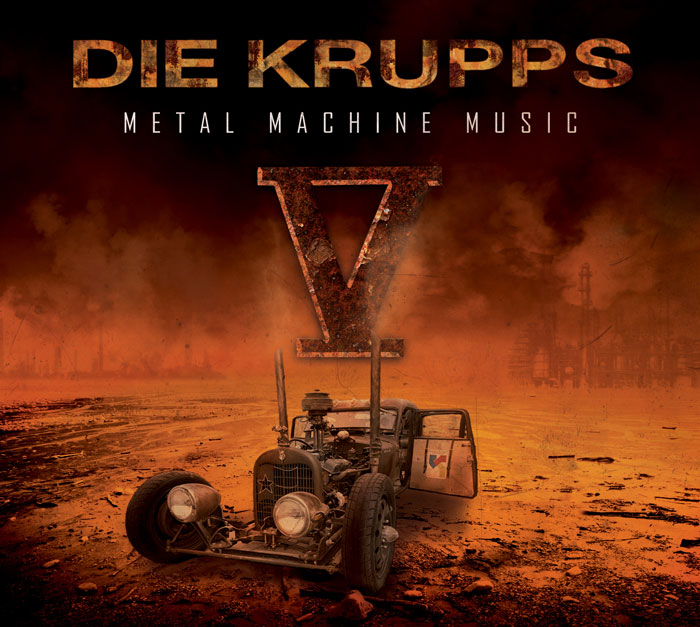
Die Krupps are from Germany and play EBM/Industrial Metal. This is their eighth album.
This is music that’s catchy and can carry a good beat. For easy and lazy points of reference think Rammstein and Nine Inch Nails.
The songs incorporate a wealth of electronic and Industrial elements into the tracks and these form the basis of the band’s sound; an electronic base with guitars built on top.
There are some good grooves on this release and the songs give the listener plenty of excuses to bounce along to the energetic music.
Die Krupps are a veteran band that have influenced a whole host of other groups and on V – Metal Music Machine they clearly know what they want to achieve and how to do it. These songs are written and performed by experienced hands and this comes out strongly in the music.
Most enjoyable – check out the latest from Die Krupps.
This is the second album from Spanish Thrash Metallers Stillnes.
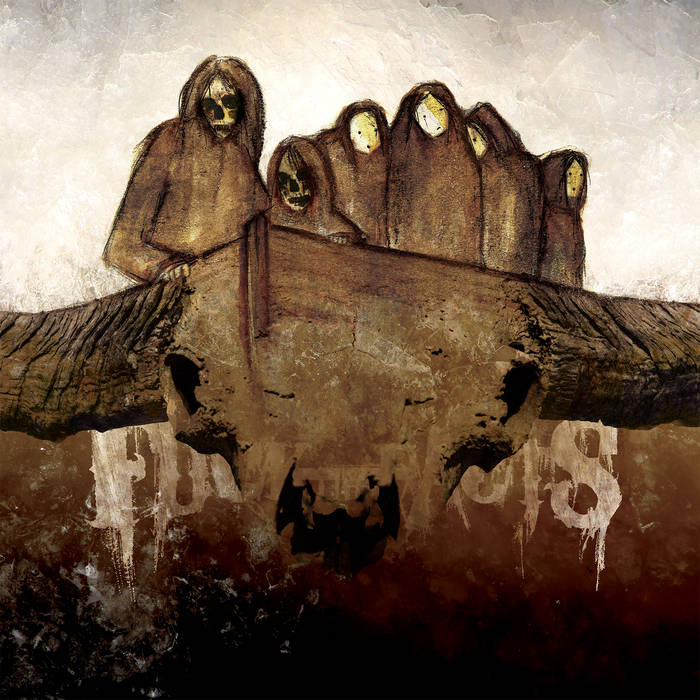
Wow. Now that’s an album cover. GIANT MONSTER ALERT!
Thrash Metal is a funny beast these days, with most bands seeming to opt for either an ultra-modern approach or an Old-School Retro one. Stillnes are one of the odd ones out as they opt for something in the middle.
This has elements of the Old-School but it’s not some puerile Retro nonsense. Theirs is a more balanced approach that has a modern sheen but not overly so; they come across as a nice mix of old and new that would fit nicely in many different Thrash eras. Ultimately they belong to themselves and this is what I like about them.
The band have a straightforward approach to their Thrash and play largely mid-paced with a good energy and plenty of melody. They are perfectly capable of unleashing a more aggressive attack when they need to, but for the most part it’s choppy riffs and good rhythms that lead the way.
The singer has a decent voice and there are plenty of solos and leads peppered around the release.
Somewhat of a cross between Trivium and Metallica; there’s not a lot to dislike on Sin Destino and it’s an enjoyable listen.
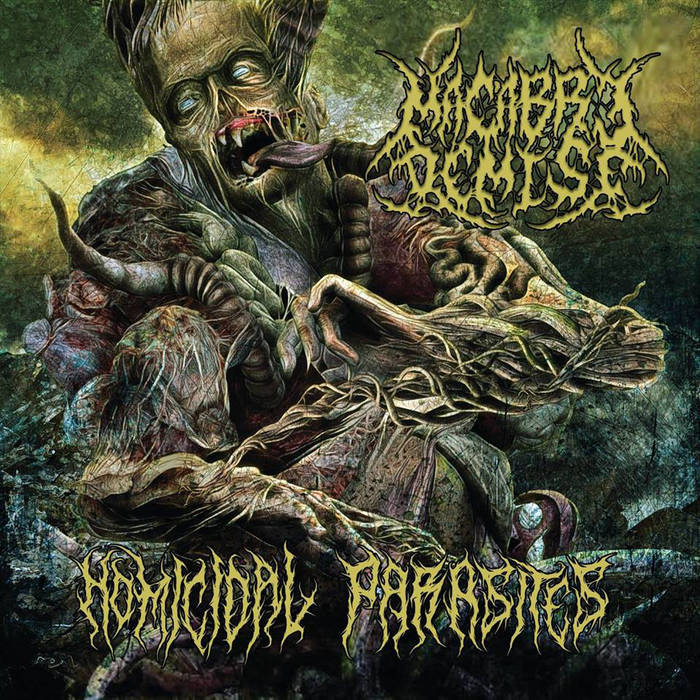
Macabre Demise is a solo Brutal Death Metal project from Germany and this is his second album.
This is just over 26 minutes of chug-friendly Brutal Death Metal that’s guaranteed to get the blood pumping and the head moving.
There’s a good mix of blast beats and slower/mid-paced heaviness on Homicidal Parasites. It’s a mix of the USDM and Slam styles, touched up with a bit more of a European feeling in places.
The songs don’t shy away from a bit of melody when needed, which is a nice thing to hear. It’s not a common part of Macabre Demise’s sound, as the songs largely opt for a more direct, brutal, chugging assault, but it’s an added facet to their sound on occasion.
There’s a lot of mosh-friendly sections that are bouncy and groovy. The tracks specialise in aggressive destruction that’s strangely accessible for a band of this style.
The vocals sound like someone wiping the floor with the Cookie Monster. Deep growling is complemented by higher screams when necessary to add that extra bite.
The production is decent and the album benefits from a good recording. It sounds, and I believe this is the technical term, PHAT. Or something. In any event, it’s a very satisfying sound that the songs make the most of.
So, quality Death Metal from this German outfit. Me like.
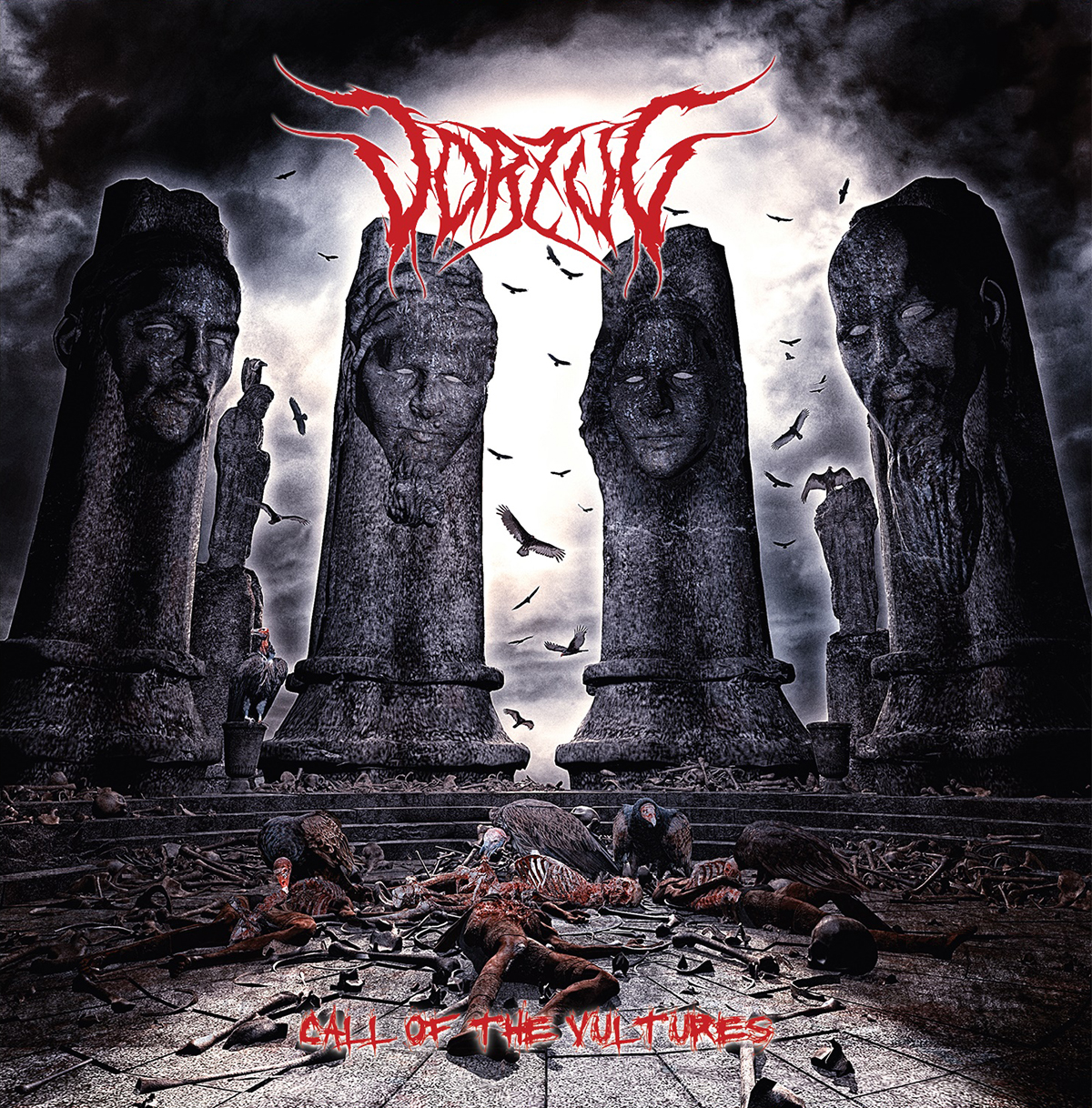
This is the début album from US Death Metal band Vorzug.
This is Old-School Blackened Death Metal that takes the brutal nature of Death Metal and adds a Blackened sheen via the guitars and high screaming.
The vocals primarily consist of deep grunts and are backed up by the aforementioned screams. The singer sounds like he’s gargling acid and his cookie-monster style is quite monstrous.
The guitars have a deeply ingrained Blackened edge to them that combines dark melodies with an older Death Metal influence. This results in a pleasing selection of riffs that provide a fresh perspective on the Old-School style.
The band have a good ear for a catchy riff and the Black/Death style means that they have just the right ratio of brutality to melody. The songs harken back to an older era where a good song was worth more than being the fastest/most technical/most brutal/etc.
Vorzug appear to be very talented at what they do and Call of the Vultures is notable for providing an Old-School fix but in a fresh-sounding way. Their passion is apparent for all to see, and in that way they remind me of the recent album from Gruesome, even if stylistically we’re in more Blackened waters here.
The music is propelled forwards by a strong drum sound, though all of the instruments sound good. It’s nice to hear the bass too, especially as it’s used to enhance the songs and is allowed to make its own mark on the tracks.
A very strong album, made a very enjoyable listen by the songwriting skills and catchy Blackened riffing. Definitely worth 33 minutes of your time.
Fuck the Facts are a Canadian Grindcore band and this is their tenth album.
Fuck the Facts are always a good listen. Playing by no-one’s rules but their own, they play Grind with their own agenda and are wonderfully individual.
They combine most different aspects of Grind, including some non-Grind elements too. Labelling them as Progressive Grindcore is not too bad of a description. From blasting brutality to melodicism to experimentalism; Fuck the Facts have got it covered somewhere in their discography, (and on this release), and they do it very well indeed.
These songs are largely, (but not exclusively), short blasts of aural carnage, although there’s much more to the band than just this. Longer songs and more experimentally diverse songwriting, (including solos, melodies, Death Metal, Progressive Metal, atmosphere, noise, cello, piano, etc.), mean that there’s a lot on offer here.
Sitting pretty among similarly individualistic Grindcore such as Cephalic Carnage, Cloud Rat, Antigama and the like, Fuck the Facts have built an impressive legacy for themselves over the 16 or so years of their existence and Desire Will Rot only cements their sterling reputation further.
The vocals alternate between the main singer’s acidic shriek and the bassist’s deathgrunts. It’s a combination and team effort that works very well. The main singer has a very individual and charismatic high scream and her voice sounds as nasty as scraping nails.
This is 39 minutes of challenging and impressive Grindcore. It’s not for people who just want the latest scene-clone; this is thinking Grind for the discerning connoisseur, and yet it still remains its visceral nature despite this.
This is the début release from UK Death Metal band Vorage.
This is dense Death Metal that’s akin to a churning maelstrom of distortion and abyss-like darkness.
Vorage can be compared to similar bands such as Portal, Mitochondrion and Ævangelist; they specialise in creating nightmare soundscapes in which horrors come to life. Mix this with a Morbid Angel influence and you have a band that means business.
Vorage are dirty, murky and impenetrably evil. The music sounds like it has been dredged up from the darkest, dankest pit in order to savage Death Metal’s soul, corrupting it to its malevolent will.
There’s only three songs on this release, but it’s still 20 minutes of music that will be too off-putting for most to stomach, but if you can hack it then it’s a grime-ridden gem of a release.
There are a few tasty riffs here, hidden beneath the swirling gloom, but it’s mostly about the atmosphere and things that lurk in the fog. Obscure melodies occasionally add sick, warped light to the cacophony, only to disappear again shortly after being birthed.
The vocals are indecipherable guttural incantations, bereft of humanity and rich with malice. It’s all very enjoyable, as far as these things can be enjoyed, of course.
A very promising release from a band who know how to weave terror into the fabric of their Death Metal assault. Recommended.
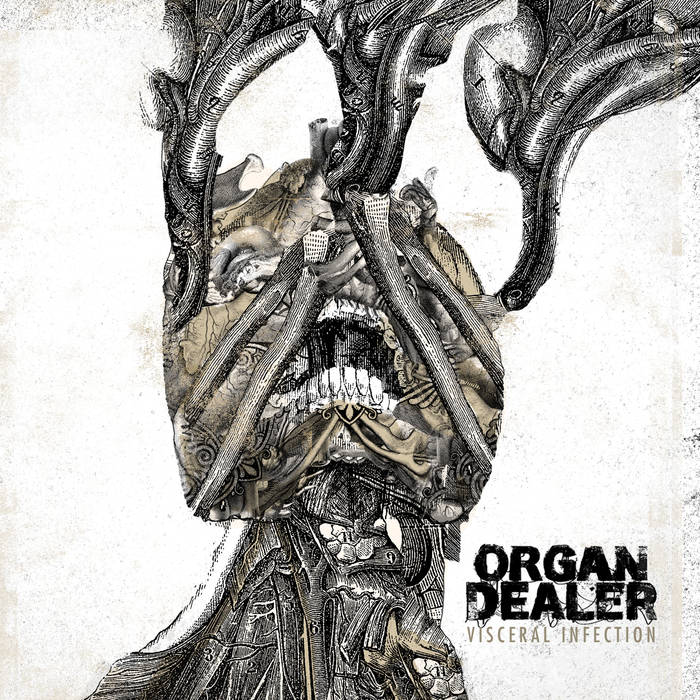
Organ Dealer are a Modern Grindcore band from the US and this is their début album.
Boasting a strong sound, Organ Dealer have come to smash! This is brutal music that’s bound to appeal to fans of extremity and destruction everywhere.
A fast, focused assault of tasty Grind is given further backbone by a Death Metal base and a heart of pure ferocity.
The songs are well written and paced, which might sound an odd thing to say of break-neck Grindcore but this isn’t a pure blast-frenzy; Organ Dealer know the value of a good riff and are not afraid to use it for maximum effect. When the mayhem slows down they’re just as devastating as when they’re going all out.
I like an album like this that essentially compresses Modern Death Metal into a tight ball of rage, clips the songs to about 1-2 minutes in length and then pours hot, scalding Grindcore on top of everything. I mean, what’s not to like here? It’s fast, ferocious and brutal, all with a modern veneer and enough musical talent to make it stand out.
The vocals are scathing screams that will leave you breathless. Deeper deathgrunts are also used and the impression is very much one of intensity and extremity. I can only imagine Organ Dealer would be quite a spectacle live if they can reproduce this faithfully.
Visceral Infection has the timeless dynamics of Nasum and Napam Death and the modern brutality of Maruta and Pig Destroyer. As such, it’s a damn fine listen.
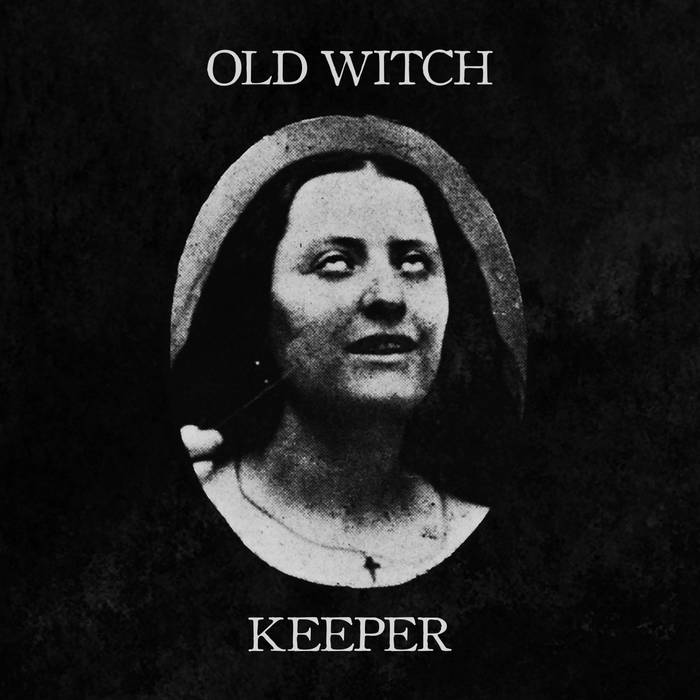
Old Witch are from Canada and Keeper are from the US. Both play Doom. This is their split, containing 58 minutes of crawling, evil music.
Old Witch start us off with their half of the split. Their take on Doom is dirty, nasty and filled with malevolent hatred.
Taking the template as laid down by Khanate, Old Witch proceed to bury this in the soil for a thousand years before digging it up and slowly flaying it alive.
The slow, thoughtful assault of their earthy-sounding Doom combines at once an unforced naturalism and a feeling of urban decay and darkness. The minimalistic Khanate-style approach is enhanced with eerie melodies and textured nihilism that has shades of Funeral Doom.
Other apt comparisons would be the murky Sludge of Culted, only without the Blackened elements, or the marathon of filth that is Venowl, only with more of an emotive presence.
At any rate, this is my first encounter with Old Witch and they have turned out to be an extremely gratify proposition. Their name held a lot of promise as it pretty much evoked images right from the off that gave me high expectations of their sound. I have not been disappointed.
After the grim majesty of Old Witch, many bands would be found wanting. Thankfully, Keeper are not just any old band. Unlike Old Witch I’m already a firm fan of Keeper’s crushing Doom from their recent split with Sea Bastard and their EP The Space Between Your Teeth.
Keeper are heavier than Old Witch and sound like an avalanche of Sludge Metal descending from a great height to destroy anything it lands on.
The acerbic vocals always provide a wonderfully acidic focal point that the guitars seem to congregate around as if feeding off them.
Maybe it’s keeping company with Old Witch, but Keeper sound blacker and darker on this release. The shining, contemplative Post-Metal side of their style is still present and correct, but even this sounds more villainous than usual.
These two songs are just as impressive as I’ve come to expect from Keeper and the entire split, almost an hour of Doom, is a fantastic release that I can’t recommend highly enough.
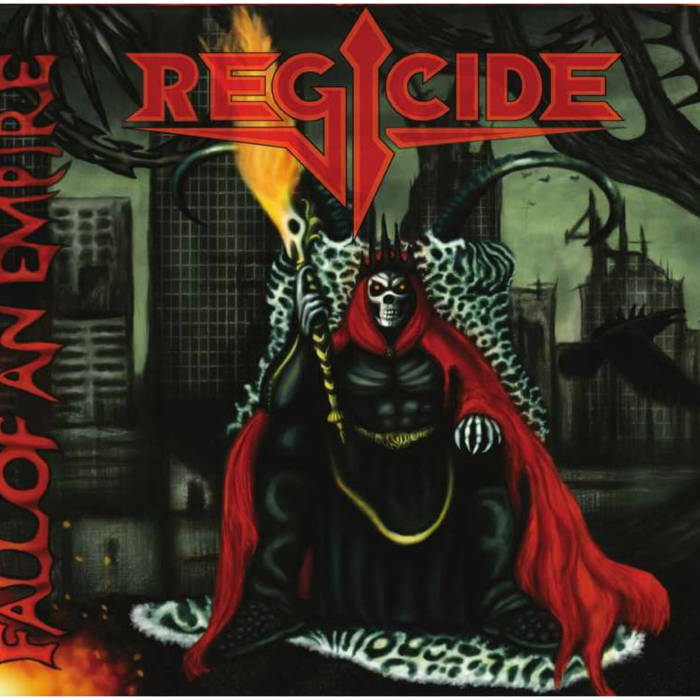
Regicide are from the US and this is their début album. They play Thrash Metal.
This is Thrash Metal mixed with a bit of New Wave of American Heavy Metal, resulting in energetic Thrash that’s largely Old-School but has a touch of modernity to it to give a little bit of an edge.
The songs are simple Thrashers played with a clear passion for the genre. The band recreate the old feelings with ease and this could easily be an album that has simply been lost to the mists of time and recently uncovered.
The songs are well-written and are obviously a labour of love for the band. They work well and have a youthful vigour to them, speaking of earlier Metal times and simpler Metal pleasures.
The singer’s voice is halfway between clean and gruff, sometimes changing between the two types and sometimes occupying the middle ground.
The recording is earthy and a bit muted, but it gets across the message of the band. I can’t help but feel it would have benefited from a stronger sound to give it more presence and forceful impact though, as sometimes it seems as if the songs are being smothered by the production.
Sound issues notwithstanding, this is a good album that has a lot to offer Thrash Metal fans.
Expenzer’s début album Kill the Conductor is a no nonsense, no frills Thrash album that hits the spot. Their vocalist Tom gave us some more information on the band…
For those who are unfamiliar with your band – introduce yourself!
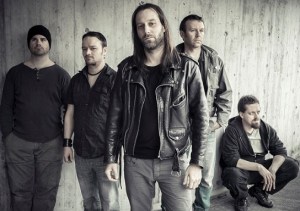
We are Expenzer, a 5-piece Thrash Metal band from Switzerland. We create Metal that is alive and evolving. Formed in 2014 we just released our début album “Kill The Conductor”.
Give us a bit of history to Expenzer
All members of the band played together in various combinations on projects and have a long history together. I (Tom; Vocals) joined the the four guys (Jeff and Sean: Guitars; Reto: Drums; Lou: Bass) who just played their last gig with their old band Pigskin that existed for about 18 years. They looked for a new singer to restart the band, and it felt right from the beginning. But it was a different thing, so we decided to change the name too. With the focus on all our individual strengths, we created a monster that just tasted its first fresh blood…
Where did the band name come from?
We wanted to call the band Bud Spencer (hehe) … but then we thought it was a bit to lame just to steal a name…. I mean you have to live with that then….but we liked the sound of the words, so we came up with Expenzer. It means nothing, just sounds cool and we are in good company with the EX- at the beginning…
What are your influences?
The spirit of the untamed Thrash Metal. All dudes in the band are very into stuff like The Haunted or Testament, Pantera, Darkane… just bands who took this kind of music and put their stamp on it. We all are not bound to a certain style and there would be so much you could miss if you just focus on a genre, but with Expenzer we want to make music that we are rooted in, that’s our homebase.
What are you listening to at the moment that you would like to recommend?
Oh man…this could fill a double page…I worked for a long time in a CD store and still talk about bands without end… I just check my albums, ah here..
Sadus 2006 Album Out For Blood (A pissed off singer & the coolest bassplayer and a super weird/angry production ).
Anacrusis 1991 Manic Impressions ( Visionary music, still ahead of it’s time.)
Non Human Level 2005 Self titled: ( project of Darkane, Meshuggah and Devin Townsend Band musicians…you get the point)
and some newer cool shit:
Alkaloid 2015 – The Malkuth Grimoire ( Death Metal in the spirit of Gojira, no blinders here.)
Gorod 2012 A Perfect Absolution ( So much music to discover on this; songs, not just riffs.)
Zatokrev 2015 Silk Spiders Underwater ( A Swiss Band, heavy as fuck, Neurosis-like)
And always every Overkill Album….
What’s your favourite song on your new album and why?
I think our album works the best, as a whole. Each song fulfils its purpose in the order we’ve put it on. We just rehearsed today and “Play for the Deaf”, fourth song on the record, just feels awesome to play live. I look forward to every part of the song, it flows and kicks you in the teeth at the right times. Tomorrow I’ll maybe say the same thing about another song, I love them all…
What are the subjects/themes of the songs on this album?
Most of the time I try to put the music into words. I like Metal Songs who sound like Monster Movie Titles, “A Dying T-Rex”, “Lightspeed Heartbeat” or “The Silence of The Amps”, just come to mind over a certain riff, then I write the lyrics around it. I don’t have a concept or a defined message, I just paint bloody pictures over killer riffs….
Give us a bit of information on your songwriting process.
On “Kill The Conductor” Jeff wrote most of the stuff. 3 Songs came from Sean and 1 from Lou. We all work on songs by ourselves, we can trust each other that no bullshit will come through, and if so we are vocal and open about it. I get the instrumental version of the song and, as mentioned , try to support the riffs and rhythms and give the ugly baby a name….
How do you see your songs/direction developing in the future?
I think you can’t make plans on that. I have a vision for the new stuff, but so have the other four guys in the band. So our goal is to combine the strength of everybody, to create the best we can at that moment in time.
What’s next for Expenzer?
Play gigs as often as we can, record the next album and have fun playing exactly what we want and know what that is.

 Die Krupps are from Germany and play EBM/Industrial Metal. This is their eighth album.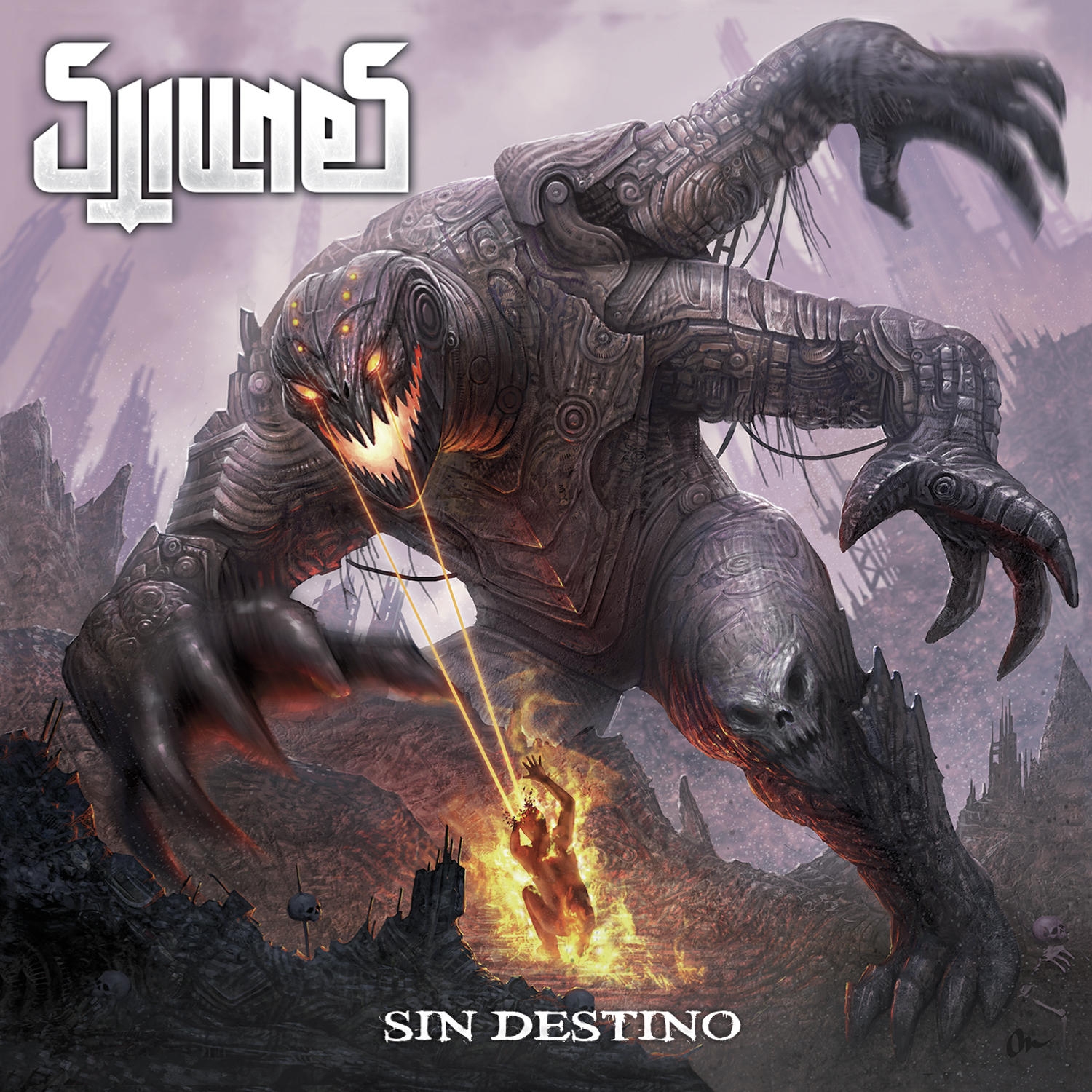

 Anacrusis 1991 Manic Impressions ( Visionary music, still ahead of it’s time.)
 Wonderbox Metal