Moanaa are an Atmospheric Sludge Metal band from Poland and this is their début album.
This is an interesting and multi-faceted release that combines elements of Sludge, Post-Metal and Progressive Metal together into an overarching framework of Atmospheric Sludge lasting just under 60 minutes.
Soft acoustics and Post-Metal melodies clash with harsh Sludge and Progressive workouts. Heavy riffs and ethereal melodies create soundscapes that merge the best of both. This is a richly textured and layered album and the songs have a lot of depth and dark energy. Even when the tempo drops there’s a brooding undercurrent of repressed power and understated grandeur.
The vocals snarl and gnash their way through the songs. Ugly, vicious and essentially Death Metal in style, they’re juxtaposed against cleaner vocals nicely, in the same way that the music trades brutality with transcendence, darkness with light. There’s a lot of shading here though and the vocals pretty much run the whole spectrum from ethereal cleans to deep growls and everything in the middle.
The playing is tight and the recording perfectly judged. The album sounds great in every way.
I love albums like this. Quality songwriting and flawless execution combine to result in an album that’s an engaging journey and a real treat for anyone into atmospheric music, be that Sludge, Doom or Post-Metal.
This is the début album from UK Doom Metallers Desolate Pathway.
This is Traditional/Classic Doom Metal in the tradition of Candlemass, Black Sabbath, Saint Vitus, etc.
Desolate Pathway sound authentic and have the recording to match. This infuses the music with authority and power, not that the songs themselves are lacking in this department, mind.
The singer has a good voice and carries the tunes with ease. He has the requisite presence for this kind of music and he manages to remain the main focal point for the music without detracting from the rest of the band at all.
There’s an Iron Maiden-esque Heavy Metal influence which rears its head here and there too, which is no bad thing. The riffs, solos, melodies and harmonies are forlorn, but not overly so.
It’s an engaging listen as the band clearly know their chosen sub-genre. However, as with any classic style such as this, your tolerance for it will dictate your reaction to them. If you’re sated on this kind of thing you’ll probably not be too interested. If you’re still open to it though, Desolate Pathway play their tunes better than most and Valley of the King is a worthwhile listen.
So sit back, turn up the volume and press play. It’s time to visit the Valley of the King.
Khemmis are a US Doom Metal band and this is their début album.
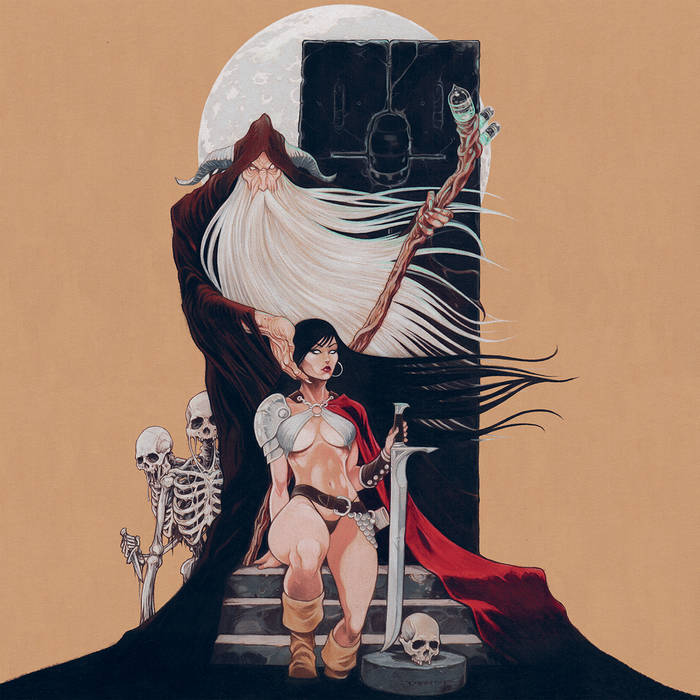
Now this is an interesting release. The album cover might lead you to believe that Khemmis are a Traditional Doom Metal band, and although this is certainly a big part of their sound there’s also more going on here than that.
Khemmis combine Traditional Doom Metal with Sludge Metal. This is not a common thing to do and it works much better than you might think.
What does this mean in real terms? Well, it means the ancient Traditional Doom approach is melded together with a heavier, Sludgier sound that’s partially one and partially the other. Imagine a cross between 40 Watt Sun and a cleaner version of Primitive Man.
The vocals also display this duality of Doom purpose; dreamy, traditional clean vocals are occasionally supplemented with deeper growls that seem like they’re about to tear the Earth apart with their ferocity.
I love the way the band manage to take the clean Doom Metal sound, mix it with the dirty Sludge style and come up with a winning combination of the two. This is usually within the same song too. Southern-inspired riffs share space with heavenly cleans, (the singer has a top quality voice), before descending into the pit once more and the Deathgrowls rule the roost for a while.
This is an album that cries out for repeated spins, and repeated spins it gets. In addition to its obvious charms there’s a lot of hidden gold on Absolution.
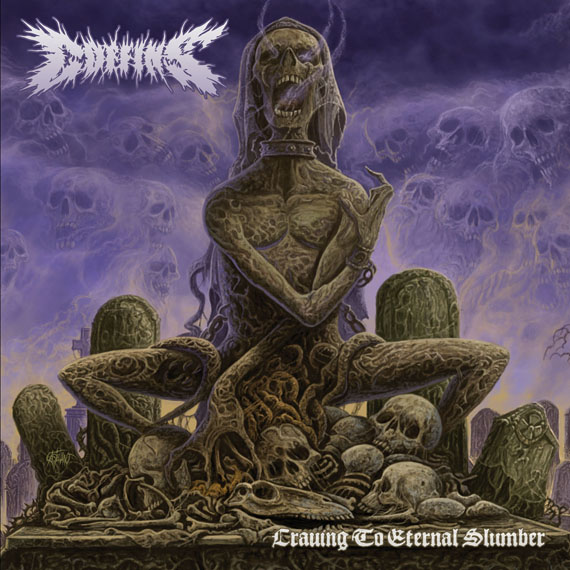
Coffins are a Death Metal band from Japan and this is their latest EP.
This cult band have returned once more with another 30 minutes of Doom-infused Death Metal that’s pretty much essential listening for anyone who likes their Death Metal grim, Sludgy and heavy as Hell.
Their prolific nature means they already have a number of releases under their belts since 2013’s The Fleshland, and on this new one they continue to refine the style that has made them so revered in Death Metal circles.
Their formula is straightforward enough – take the rotting core of Death Metal, add a Doom/Sludge influence and play everything as heavy as possible. Simple! What they excel in most though is not just this in isolation, but rather the fact that they manage to imbue everything they do with such a nasty, gritty evilness that the music comes alive in malevolent raptures.
The vocals are still as pitch-black as midnight and growl their way from underneath the songs like an ominous shape rising through the waters. The singer has what can only be described as a great Death Metal voice.
Coffins seem to manage to concurrently embody the essence of Death Metal and Doom; Craving to Eternal Slumber lives in both worlds and masters both of them too.
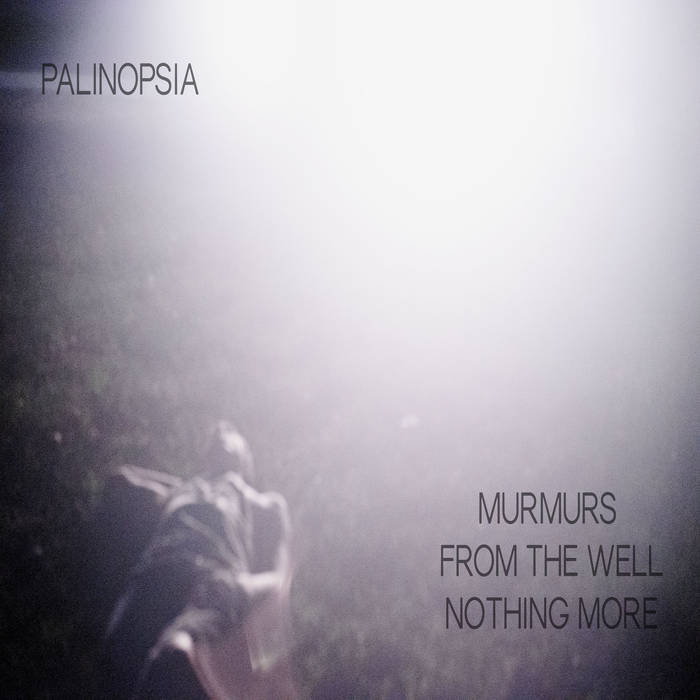
This is the début EP from US Sludge Metal band Palinopsia.
This is dirty great Sludge with a Blackened Doom component and a Hardcore backbone.
The scathing, acidic vocals sound utterly inhuman and are frequently layered upon each other, screaming and shouting for all they’re worth.
The recording is extremely heavy, making the most of Palinopsia’s ugly, downtuned sound. It’s unpolished and teeming with viral life, seemingly writhing with diseased lustre.
Southern Sludge riffs mix with a Blackened influence to result in venomous songs that don’t have any pure intentions at all. The Hardcore backbone of the band gives them an upbeat edge that is as sharp as any blade.
The Black Metal influence works as an undercurrent to each song, spreading darkness as it works deep into the marrow of the guitars. The Hardcore elements allow the band to speed up on occasion, as if the attack hounds are being unleashed once more. All of this is tethered by a swampy Sludge presence that’s as big as it is bold.
They’re not without subtlety or introspection though. It’s not an obvious part of their sound and it doesn’t happen very often, but occasionally the distortion fades and they offer some light along with the shade. It’s a welcome enhancement to their music and when the guitars roar up again it sounds heavier than ever.
This kind of nasty Sludge is always an enjoyable hate-fest. Turn up the volume and tear down the house.
The Vintage Warlords are a Doom/Death Metal band from the US and this is their début EP.
The Vintage Warlords play old, ancient Death Metal that’s slowly consuming the rotten husk of Doom.
The band’s sound is cavernous and heavy, yet a lot cleaner than I was expecting for this style. It’s Old-School and Doom-laden but a lot more polished than is usually the way for some similar bands.
The professional veneer of the music carries over to the vocals too; the singer has a tight, focused growl that is more like a surgical slaughter than a shotgun message. It’s a really satisfying voice and he uses it well.
The songs merge the best parts of Death Metal’s songmanship and Doom’s cranky demeanour. As such, slower parts vie for place with groovier sections and there’s enough rhythmic mayhem here to get the listener bouncing around quite nicely.
The Vintage Warlords are adept songwriters and there are plenty of good ideas on these three tracks. Each song has its own identity and the band capitalise on this well.
I’ve really enjoyed this release. If they can translate this success into a full-length then it’ll be a real treat.
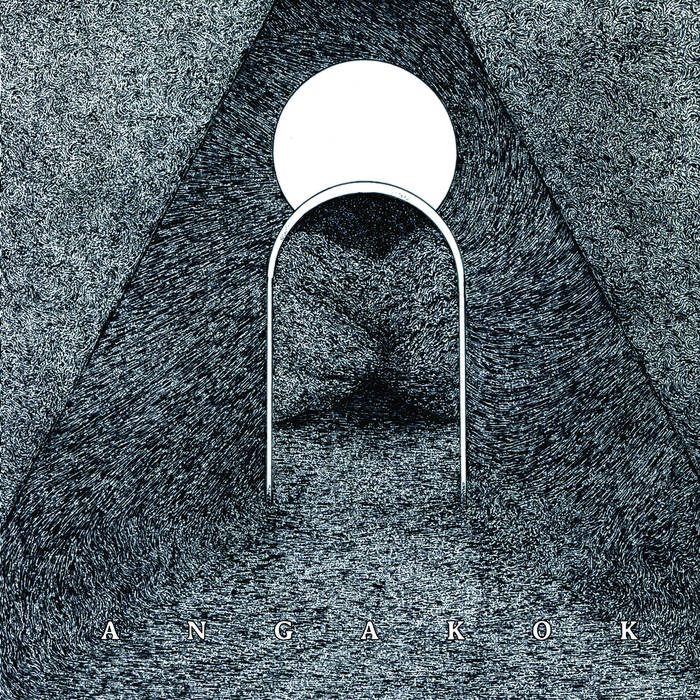
Angakok are a Sludge band from Belgium, and this is their début album.
Angakok play Sludge/Doom mixed with moments of Drone/Ambient respite.
This is Neurosis-inspired Doom that’s nicely heavy when it needs to be. Mix the Neurosis influence with that of, say, Zatokrev and you have an album that, (slowly), stomps over everything around it.
The Ambient and lighter moments give the album some shading, but the heavier side of the band is the main event; these asides are essentially delaying the heaviness so that when it returns it sounds even more immense.
The music really takes Doom to its black heart; the heavy guitars are slow and crushing, although they do pick up the pace when necessary. There are some good, winding melodies used on these songs and the mood of despondency and bleakness never ends.
The songs are darkly enjoyable, and it’s a collection of tracks that make for a engaging journey with the band.
The vocals are anguished, drawn-out screams, not dissimilar to those used in Neurosis. The style sounds a natural fit with the Sludgy guitars and the performance is not one to find fault with.
The album is well-recorded and seems to be able to be both murky and clear at the same time. It suits the band’s style and the music benefits from it.
I enjoy music like this, especially from a band like Angakok as they clearly know the genre inside out.
This is the second album from US Doom Metal band Demon Lung.
Having really enjoyed The Hundredth Name, this new release promised much.
Demon Lung’s Metal is the Traditional Doom Metal variety. Taking the occult route, the band have produced 45 minutes of material that sparkles with an evil majesty.
The songs speak of midnight heresies and sacrificial rites. The music has dark atmospheres and melodies that seep into the brain and stay there, unwilling to move.
The singer’s voice is drenched in occult blasphemies and reaches new heights, (or depths), of worship. Her voice already sounded great on their début album and here she sounds even fuller and more emphatic than ever.
They pepper the songs with some upbeat moments of course, but ultimately this is all about the DOOOOM. The band know this, and that’s where the true power of this album lies.
Like their first album album, A Dracula features a strong production that gives the band’s music a very satisfying sheen. Coupled with the songs themselves, it cements Demon Lung as a particular favourite of mine in the sea of bands that play Traditional Doom.
After their enjoyable first release, Demon Lung return with an album that does them justice. A Dracula is a very enjoyable listen and is firmly recommended for all Doom Metal fans.
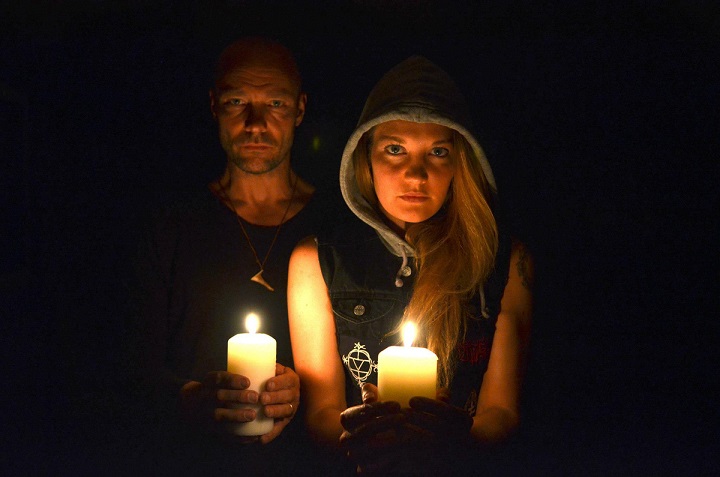
Ashtar’s highly recommended début album Ilmasaari successfully treads the line between occult Doom and Blackened vitriol; a 46 minute ritual that will leave you begging and gasping for more. I decided to find out a bit more about the creative force behind the band…
For those who are unfamiliar with your band – introduce yourself!
Marko: We are a duo from Basel, Switzerland, playing some kind of blackened sludge doom. Before forming the band, Witch N. was the bassist of the female doom band shEver, I am the drummer of the space doom band Phased. We met for the first time when these bands played together four years ago.
Give us a bit of history to Ashtar
Marko: We started to rehearse in 2012. Witch N. played the guitar and I sat behind my drums. Like that we developed some first ideas but didn’t really know where the way would lead us. We knew we wanted to stay a duo though. After a while we had some songs together and recorded them between December 2013 and April 2014 in a studio in Greifensee, Switzerland. It was the studio of a guy called Mäthe Imboden who’s very much into the Zurich black metal scene and friend of bands like Bölzer. We played all the instruments on our own. That means: We started with the drums and rhythm guitar riffs as basics and recorded the bass, growls, clean vocals and lead guitars as overdubs. Later Greg Chandler of Esoteric, whom shEver had already worked with, mixed and mastered the album in his studio in Birmingham. And in January 2015 we played our first gig with two guest guitarists.
What are your influences?
Marko: We love the modern intellectual metal bands that mix black metal and doom. Many of them come from France or Finland.
Witch N.: Beside other sources of inspiration we like bands such as Glorior Belli, Oranssi Pazuzu, Wolvserpent, Blut aus Nord, Dark Buddha Rising and Eagle Twin.
What are you listening to at the moment that you would like to recommend?
Witch N.: I am constantly trying to discover new underground bands in the sphere of sludge, black and doom although I was a bit neglectful recently… I’d like to mention Laster, Atriarch, Portal, Altar Of Plagues, Sea Bastard, Inter Arma or Bastard Sapling. Besides I do listen to older bands like The Chameleons, The Jesus And Mary Chain or Samhain.
Marko: I also listen to a lot of music that doesn’t sound like Ashtar at all: 70’s prog, kraut, shoegaze, 80’s new wave, modern jazz. It’s difficult to recommend something particular at the moment – well, I always go for Pentagram.
What did you want to achieve with your new album?
Marko: Nothing particular, actually. We just wanted to play other parts in a band than we had before as bassist and drummer. We wanted to do a record with our own songs and play all the instruments on our own. We just felt the need to do our own thing finally.
Are you happy with how it turned out?
Marko: Yes, we are very happy with it. Most of all it wasn’t self-evident for us that the guitars would work that well because they’re not our main instrument. I mean, of course you could always do something better or different if you listen to a record afterwards, but at some point you just have to let loose and hope it still feels good later. And we think it does. It does have a dark atmosphere that spreads through the whole album.
What’s your favourite song on the album and why?
Witch N.: I honestly like all of our six songs, but if I had to decide I would say «Des siècles qui éternellement séparent le corps mortel de mon âme». It’s the most personal song regarding the lyrics, and from the musical approach it starts as the most «black metal» song and then develops into the most representative song for the music of Ashtar. And last but not least: It’s great to scream and growl in French!
Marko: My favourite song is «Celestial» because of its many mood and rhythm changes and because I’m particularly happy with my guitar work in the second part of the song. But I think every song on «Ilmasaari» has it’s own character. So I really like all of them.
What can you tell us about the lyrics?
Witch N.: Generally I do not like to analyse my own words – the listener should be as free and unprejudiced as possible. For sure I don’t want to tell a story with my lyrics, I’d rather want them to be some sort of poems. I see them as an addition to the musical atmosphere, even though I write my lyrics without listening to the specific song. I try to create a special feeling, mood or vibe, to draw a certain picture.
Give us a bit of information on the songwriting process.
Witch N.: The songs on «Ilmasaari» emerged from one or two riffs and jams in the rehearsal room. We always knew quite quickly if a riff had the potential to become a song or not. When a song developed we defined the structures and recorded it as a basis with one guitar, drums and lead vocals. At home, we listened to the recording and tried to add some bass lines, more guitars and vocals. The songs were not completely finished when we entered the studio though – «Celestial» for example developed mostly in the studio. That it turned out to be one of the most intense songs of the album was the proof for us that spontaneous creativity worked very well!
How do you see your songs/direction developing in the future?
Marko: We have no idea because we never plan where we’re going musically. We don’t say: Now we want to sound like Glorior Belli or whoever. We just play and see what happens next.
And what’s next for Ashtar?
Marko: After the release of the CD and tape version of «Ilmasaari» on June 8 we wait for the vinyl to come out in early autumn. And then we plan to tour in winter and spring.
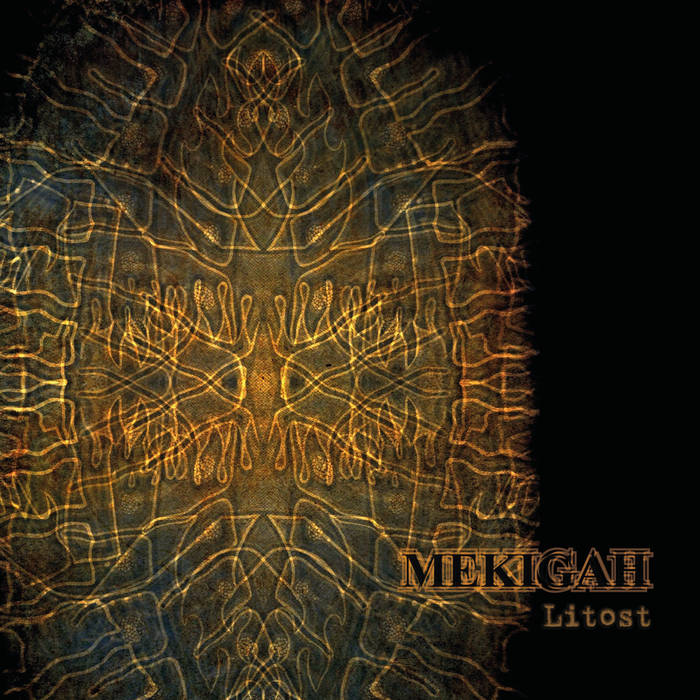
This is the third album from Australia’s Mekigah. They play Industrial/Classical Doom.
This is a tortuous combination of Doom, Noise, Industrial, Ambient and Classical that somehow ends up pulling you into its embrace before you even really know what’s going on. I’m not a huge fan of Noise and a lot of Ambient leaves me cold, usually because there’s nothing to draw you in. Litost is different.
Here we have elements of Noise and Ambient but they’re joined by the usually far more spirited Classical style. Orchestral sounds and emotive synths provide these minimalistic elements with a vibrancy, albeit a dark, malevolent one.
On top of this we have the Industrial aspect to their sound, and, of course, the Doom. This is not a guitar-oriented project though. It’s there, but used just as one instrument of many. Guest musicians aplenty feature on this release, providing everything from vocals, to mellotron, to taishgoto.
Vocals are few and far between. When they appear they’re quite varied and performed by multiple singers across the album. They’re usually quite low-key and are frequently employed as just another method of delivery; another instrument in this disturbing symphony.
This album is surprisingly emotive and engaging. The layers of synths and orchestral sounds work perfectly with the harsher Industrial base to fashion songs that work their way into your subconscious like hooks into flesh.
There’s a Gothic element to this music, but it’s one that has been killed and buried so that its influence is felt through the remainder of the thing that’s growing in its place. Almost as if the remains of a Gothic ancestry were feeding the music we hear here, so that the influence seeps into the cellos and Industrial sounds almost without anyone noticing at first.
If you’re into music that fuses the Industrial and the emotive with a dark atmosphere then this is definitely one to track down. Whether you’re a fan of Ævangelist, Axis of Perdition, Cloak of Altering, Ulver or Indian, Litost has something to offer you.
A very impressive release; I wasn’t expecting something to merge darkness and light so completely. Litost is a thing of grim beauty.

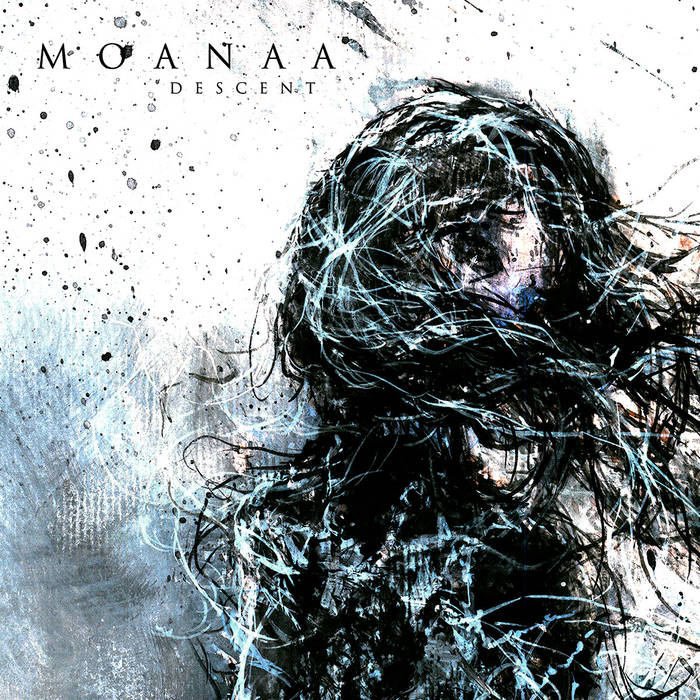 Moanaa are an Atmospheric Sludge Metal band from Poland and this is their début album.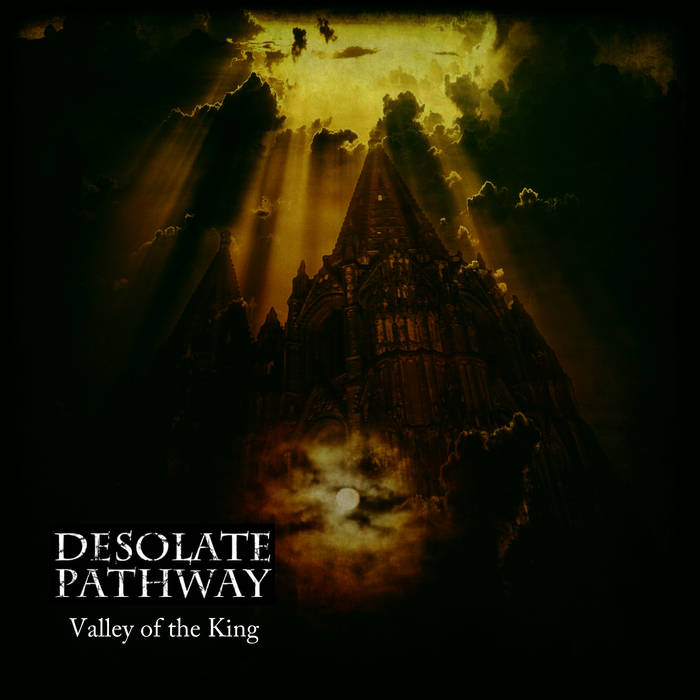



 Wonderbox Metal