True Cross – Pure Divorce (Review)

True CrossTrue Cross are from the US and this is their début album. They play Shoegaze/Post-Rock.

This is an interesting album. The band incorporate elements of Doom here and there and even a hint of Punk in some of the more upbeat parts. For the main though, this is firmly in Shoegaze territory, with Post-Rock filling in the gaps.

Apparently the theme of this release is all about endings, and I can believe that as there’s a definite air of finality about these songs. They’re darkly emotive and heavy on the feeling, creating a despondent attitude without going overboard.

The vocals consist of ethereal cleans that seem to just about have the energy to pull themselves out of the musical melange, adding further layers of emotion to songs that are already thick with mood.

True Cross have created an album full of raw emotion, unfettered by constraint and loaded with negativity. Artful and intense, Pure Divorce is cinematic in scope and shares some of its qualities with that of a soundtrack.

A lot of Shoegaze passes me by as not having enough substance to it, but True Cross have really got their formula sorted out on this album. I’ll definitely be listening to this late at night, in the dark, as I’m sure is intended.

Here’s one to live with and absorb for a while.

The Impala – Chapter One (Review)

The ImpalaThe Impala are a Russian Post-Rock band. This is their début EP.

The band play Post-Rock that’s reflective and expressive, seemingly mirroring the lives of the band members and wearing their collective experiences openly.

The music has that ephemeral, fragile quality that a lot of Post-Rock has. Seemingly transitory and full of sunshine or some unknown cosmic essence, these tracks sparkle and fade during their brief playing time.

Apart from a brief section of spoken word there are no vocals. Instead, the music is the complete and only focus.

The music builds to crescendos and has many peaks and valleys to get lost in. Driving leads and hopeful melodies abound and the band members all seem proficient in their instruments.

Samples and other electronic accompaniments are used throughout, but these are largely subtle affairs and not overly obvious. They essentially work behind the scenes to add little extras to the songs that may not always be instantly noticeable but would be to the music’s detriment if they were absent.

At only 18 minutes in length this is a short release, but one that captures the imagination.

Check them out.

Code – Mut (Review)

CodeCode are from the UK and this is their fourth album.

It seems that Code have undergone somewhat of a transformation since 2013’s Augur Nox; gone is the Avant-Garde Black Metal, instead being replaced with Progressive Post-Rock.

Their new incarnation is akin to a cross between Red Sparowes, Anathema, Autumnblaze, Green Carnation and Radiohead to my ears. It’s a change in style that seems to suit the band as it sounds like a natural fit.

The music is stripped back but expressive and emotive nonetheless. The relatively short songs contain a lot of content in a short space of time; one would almost expect music of this nature to be double the length but most of the tracks here are about  3-4 minutes in duration.

The vocals are similar in style to their past versions, albeit less extravagant and with greater fragility. His voice has an internal power to it though that again reminds of the singers of Anathema and Autumnblaze.

The songs seem to tell a story and pull the listener into their world. The soundscapes Code create are involving and forbidding; they’ve managed to create a sense of carnival-esque awe and wonder for the listener to explore through Post-Rock textures and Progressive Rock workouts.

I applaud the band for their willingness to update their sound, and although I will miss their past style they’ve amply proven to me with Mut that they continue to create rich and engaging music.

A triumph.

Sativa – 100 Years After Never (Review)

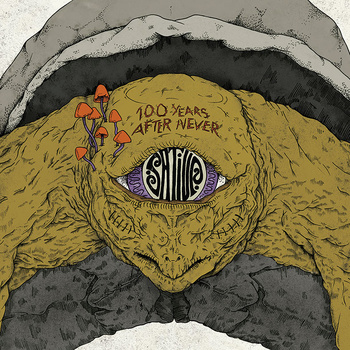
SativaSativa are from Bulgaria and this is their latest release. They play instrumental Post-Rock.

This is winding Post-Rock with a nice Progressive Rock edge to their sound. There’s also some Psychedelia and Stoner elements to their sound that essentially mean 100 Years After Never is a very relaxing, easy listen that washes over you like a rippling tide.

That’s not to say it’s all calm sailing as the band ramp it up a bit when they need to, but there’s no real heavy aggression here or anything of that sort.

Ethereal Post-Rock guitar blends with down-to-earth bass to create a listening experience that’s tranquil and charged at the same time. Sativa do well in this combination of beauty and gritty realism and the songs on this EP are nicely judged.

With the Stoner connection it’s the usual thing to make lots of comparisons to deserts, etc. but the reality is that Sativa have got somewhat of a watery vibe going on in some ways. This is especially strong on track 3, which gives the distinct impression of bubbles…

Maybe it’s just me, but I can hear it, I swear…

Overall this is a neat little EP that hits more times than it misses.

Recommended.

Falloch – This Island, Our Funeral (Review)

FallochFalloch are from the UK, and this is their second album. They play Folk-tinged Post-Rock.

This is the kind of album you’d listen to when trying to relax at the end of a hard day, or when you want something light and non-invasive to tinkle away in the background.

Falloch specialise in nature-inspired songs that take the slow route and utilise the build/release nature of Post-Rock to carve out their ethereal sounds.

This Island, Our Funeral is somewhat of a mix of bands such as Agalloch, Anathema and Blueneck only with more of a Post-Rock style and an elemental, windswept feel.

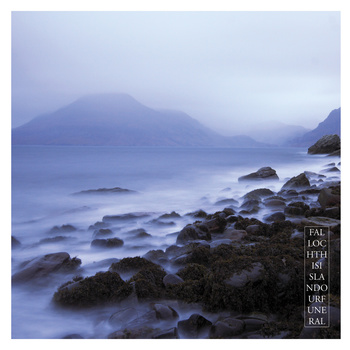
Guitar melodies and leads conjure images akin to the album cover and the organic production has some steel to it despite the nature of the music.

The vocals are well-performed with layered harmonies and angelic tones. The singer’s voice is well judged and fits the music well; it shares the same Folk-edge that the music does and the vocal melodies seep out of the speakers like honey.

Falloch have crafted an album that attempts to forge an emotional connection with the listener and its success largely depends on how receptive the listener is to what they have to say. They clearly believe in what they’re doing and I think they’re definitely worth a listen or two. Have at it.

Nojia – Gheist (Review)

NojiaThis is the début album of Nojia who are from France. They play Post-Rock.

Nojia feature the talents of the bassist from Eryn Non Dae, which is notable simply because of just how damn good Eryn Non Dae are.

Nojia however, are calmer and more restrained. This is instrumental Post-Rock with long songs and a deep Progressive Rock edge.

For musical reference points, think Red Sparowes, Pelican and Russian Circles.

Nojia’s songs are impassioned and emotive beasts. Featuring the trademark rise and fall, build and release nature of Post-Rock; their tracks are further imbued with vitality and life by the Progressive nature of the music.

Memorable riffs and melodies gel together to create music that has impact. These are stories written in sound and each track is like an act in a play. When all three are done you’re left spent; emotionally exhausted but very, very happy.

A great deal of musicianship has gone into Gheist and the investment has paid real dividends.

My favourite track is probably Sama, which creates a tense, expectant atmosphere before diffusing itself in glorious crescendos and Progressive Rock beauty.

Nojia are a success in my book and well worth a listen.

Lae – Break the Clasp (Review)

LaeLae are from Canada and this is their début album. They play Post-Rock.

Okay, so I say Post-Rock, but not only is that incredibly vague but it also doesn’t really do the band justice, as Lae don’t really sound like you’d probably envisage when you think of Post-Rock. They have an unusual style that’s as enticing as it is seductive.

So, first off I should mention that the band have a very sexy production courtesy of Today is the Day frontman Steve Austin. Apparently he, understandably, became so enamoured with the band’s songs that he ended up providing lead vocals for the entire album. That album is Break the Clasp and the first thing you should know then is that his vocals are stunning.

Haunting cleans are layered together and occasionally enhanced by Austin’s trademark acidic screams to create a performance that’s like a demented lullaby. Breaking the Clasp gives Austin a true platform to demonstrate just how good a singer he actually is.

The music itself is a multi-textured and highly emotive smorgasbord of tasty treats and delights. It’s a hazy, psychedelic mix of Rock and Post-Rock that’s strictly non-conventional and features enough hypnotic melodies to capture your attention forever.

There’s a great variety of mood and feeling to be found here. Doubtless this is not the kind of album to appeal to everyone; it’s not an “instant hit” by any means. It doesn’t suffer from this though, as the songs here have a longevity to be expected of a band who have seemingly taken the best part of over a decade to release their début.

The songs strike a personal note with the listener, drilling down to the core of what’s important in great music; connection, passion and feeling.

Providing band references as comparisons is not easy. Hmm, certain aspects, (but not all by any means – the slower parts mainly), of bands like Today is the Day, Earth, Swans, Fantômas, Angels of Light, etc. are suitable starting points.

Break the Clasp is something of a revelation for me. Albums of this beauty and intrigue don’t come along very often. I’m floored. I love this.

As I write these words it’s nearing the end of 2014, and a lot of amazing album have been released this year. All I know is that Lae will be featuring very highly on my Best of 2014 list.

Achingly necessary.