This is the fifth album from US Sludge band The Body.
This is a complex album with a multifaceted, layered sound. The Body are not your average band and consequently No One Deserves Happiness is not your average album.
Industrial Sludge Metal is an apt description of the band’s output, although this barely describes the monstrous creation that the band have unleashed on the world with this work.
Electronics and Metal meet in a way that is fused at the very core of the music, revealing a collaboration that you might never think possible. Certainly it’s out of reach of the talent of most bands who attempt to combine electronics and guitars.
This is an album full of bleakness, isolation and despair. The sense of melancholy and hateful abandonment is strong, with the music absolutely reeking of complex negative emotions and the utter failure of all human contact.
Harsh, needle-thin vocals are sometimes joined by ethereal female cleans, which ratchet up the emotional content to almost unbearable levels.
This is a hard album to describe in many ways; although there is a massive amount of things going on here, it’s more the emotional resonance of the music that’s difficult. No One Deserves Happiness seems to easily and swiftly evoke all of the feelings of negativity, discomfort and nostalgic loss that you’ve experienced your entire life. It’s an extremely powerful listen because of this and at the end of its 48 minute journey you feel hollow and spent.
After listening to this, it’s hard to disagree with the album name.
Spektr are a Black Metal band from France. This is their fourth album.
Spektr specialise in harrowing Industrial-tinged Black Metal that laces elements of Ambient throughout this bleak journey into the fractured darkness of the human psyche.
Blackened melodies are twisted and warped to fit the band’s grim vision of what the music should sound like. Spektr have never been a standard Black Metal band and on The Art to Disappear they continue to provide a nightmare soundscape onto which they paint broken ideas of urban claustrophobia and mechanised fear.
Listening to Spektr is like listening to the living embodiment of a rhythmic, pulsing evil. They have always been somewhat of an acquired taste for this reason, as their non-standard take on the genre is simply too much for some. This is music that pushes boundaries by the very nature of the terrible conceptual understanding of horror that lies at their very core.
The Art to Disappear plays out almost like a film soundtrack, ebbing and flowing with different darkened moods throughout the 41 minutes playing time. Although, if this actually were the case, I imagine it would be the most terrifying film of all time. It’s a very holistic album for this reason, with each song acting as a different scene, each more upsetting and disturbing than the last.
All credit to them, this level of unpleasantness is not an easy one to achieve.
This is the second album from Canadian Progressive/Industrial Rock band The Unravelling.
The Unravelling’s music is modern, Progressive Rock with Industrial elements. It’s layered with emotive content and depth of songwriting.
Recalling elements of bands such as Filter, Nine Inch Nails, Sunna, Gravity Kills, Tool and Katatonia, Tear a Hole in the Collective Vision is 44 minutes of music that draws you in with its dark edge and personal themes.
This is a diverse collection of songs with a great variety in mood, pace and dynamics across the 10 tracks. It’s easy to view a band such as this as providing the listener with a musical journey to go on, travelling down the various routes and paths with the band as they explore the moods and atmospheres of their self-created landscape.
Strong vocals provide a focal point for the music and the singer’s slightly atypical voice fits the atypical music to a tee.
This is an impressive album and should definitely be checked out by anyone who enjoys this electronic approach to atmospheric Rock.
Locrian are a US Experimental Post-Metal band and this is their latest album.
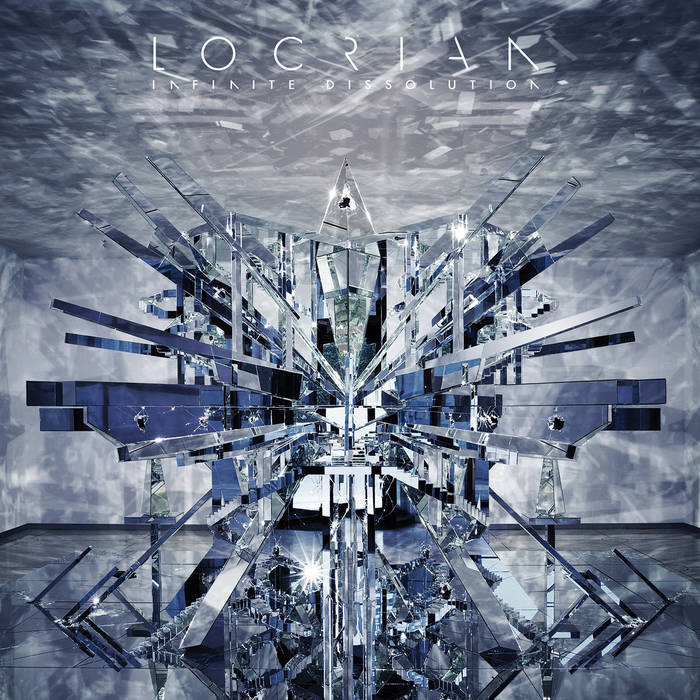
Featuring an album cover that makes me feel uncomfortable and like I’m going to go insane, (courtesy of David Altmejd), this is music that caters to people who want more from the bands that they listen to, and more is what Locrian provide.
Locrian play Post-Metal that contains Avant-Garde, Black-Metal and Industrial elements. Electronics, keyboards, piano, samples and a whole host of other instruments grace this album in addition to the standard instruments. Two songs also contain guest female vocals as well. All of this should give you an insight into how much depth, variety and interest there is to be had here.
Elements of Drone, Noise, Industrial, Post-Metal and Black Metal all clash into a wonderful melange of music that reminds of some twisted cross between Russian Circles and Blut Aus Nord.
This is a highly textured and multi-faceted release that requires repeated spins to really make its wonders known. There’s a lot of different things going on here and it’s easy to miss some of it the first time around, especially as there’s a lot of subtle sounds and effects going on in the background, almost behind the main event, so to speak.
There’s a resplendent darkness that seeps from this music like a sentient and malevolent oil stain that’s searching for ways to get into your body. Something here doesn’t have your best interests at heart and it’s subtle, insidious and unfaltering in its desire to do harm.
This is music to get lost to and get lost in. The band have a talent for creating soundscapes that sear your thoughts and burn the mind.
Highly recommended as your dose of something different and sublime.
This is the début album of Slug Comparison, a Canadian Progressive Rock band.
Actually a solo album with guest/session musicians, Slug Comparison contains 41 minutes of modern Progressive Rock.
This reminds me of early 00s band Sunna mixed with elements of Radiohead, Nine Inch Nails and something like Steven Wilson. It’s extremely accomplished and very well realised.
The songs on this album are diverse and professional, with dark themes and a quasi-Industrial/Electronica feel to them on occasion; synths and electronic effects are frequent accompaniments to the standard instruments. These are used well to add extra flavour to an already tasty feast.
The singer’s voice has a contemporary feel to it and has a raw presence and charisma that money couldn’t buy. He has good range and deals with all of the challenges the material offers him with zeal and skill.
There’s a lot to be absorbed here, and repeated spins reveal the depth of nuance that these songs have to offer. It’s clear that a lot of work and effort has gone into this album, and it pays off spectacularly.
I have no qualms at all about highly recommending this album for your aural delectation. There’s a wealth of talent and expertise on display here, and it’s well worth the taking the time to explore it.
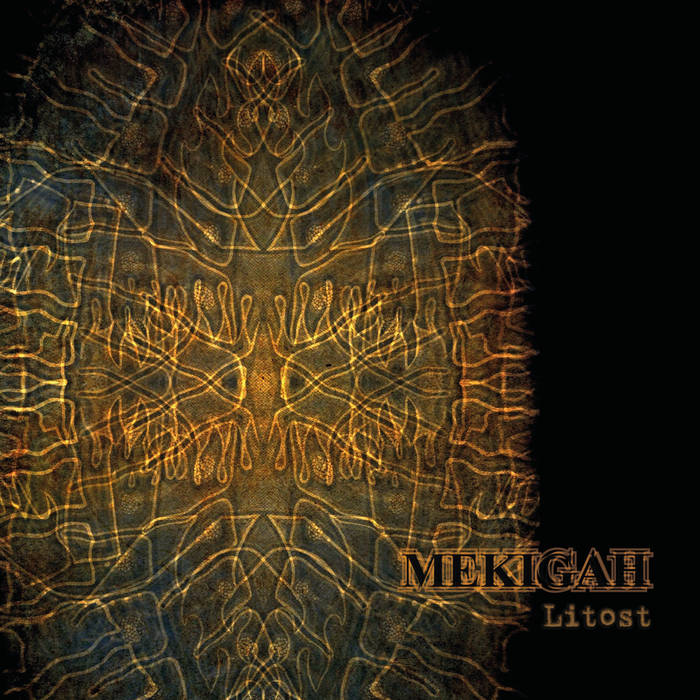
This is the third album from Australia’s Mekigah. They play Industrial/Classical Doom.
This is a tortuous combination of Doom, Noise, Industrial, Ambient and Classical that somehow ends up pulling you into its embrace before you even really know what’s going on. I’m not a huge fan of Noise and a lot of Ambient leaves me cold, usually because there’s nothing to draw you in. Litost is different.
Here we have elements of Noise and Ambient but they’re joined by the usually far more spirited Classical style. Orchestral sounds and emotive synths provide these minimalistic elements with a vibrancy, albeit a dark, malevolent one.
On top of this we have the Industrial aspect to their sound, and, of course, the Doom. This is not a guitar-oriented project though. It’s there, but used just as one instrument of many. Guest musicians aplenty feature on this release, providing everything from vocals, to mellotron, to taishgoto.
Vocals are few and far between. When they appear they’re quite varied and performed by multiple singers across the album. They’re usually quite low-key and are frequently employed as just another method of delivery; another instrument in this disturbing symphony.
This album is surprisingly emotive and engaging. The layers of synths and orchestral sounds work perfectly with the harsher Industrial base to fashion songs that work their way into your subconscious like hooks into flesh.
There’s a Gothic element to this music, but it’s one that has been killed and buried so that its influence is felt through the remainder of the thing that’s growing in its place. Almost as if the remains of a Gothic ancestry were feeding the music we hear here, so that the influence seeps into the cellos and Industrial sounds almost without anyone noticing at first.
If you’re into music that fuses the Industrial and the emotive with a dark atmosphere then this is definitely one to track down. Whether you’re a fan of Ævangelist, Axis of Perdition, Cloak of Altering, Ulver or Indian, Litost has something to offer you.
A very impressive release; I wasn’t expecting something to merge darkness and light so completely. Litost is a thing of grim beauty.
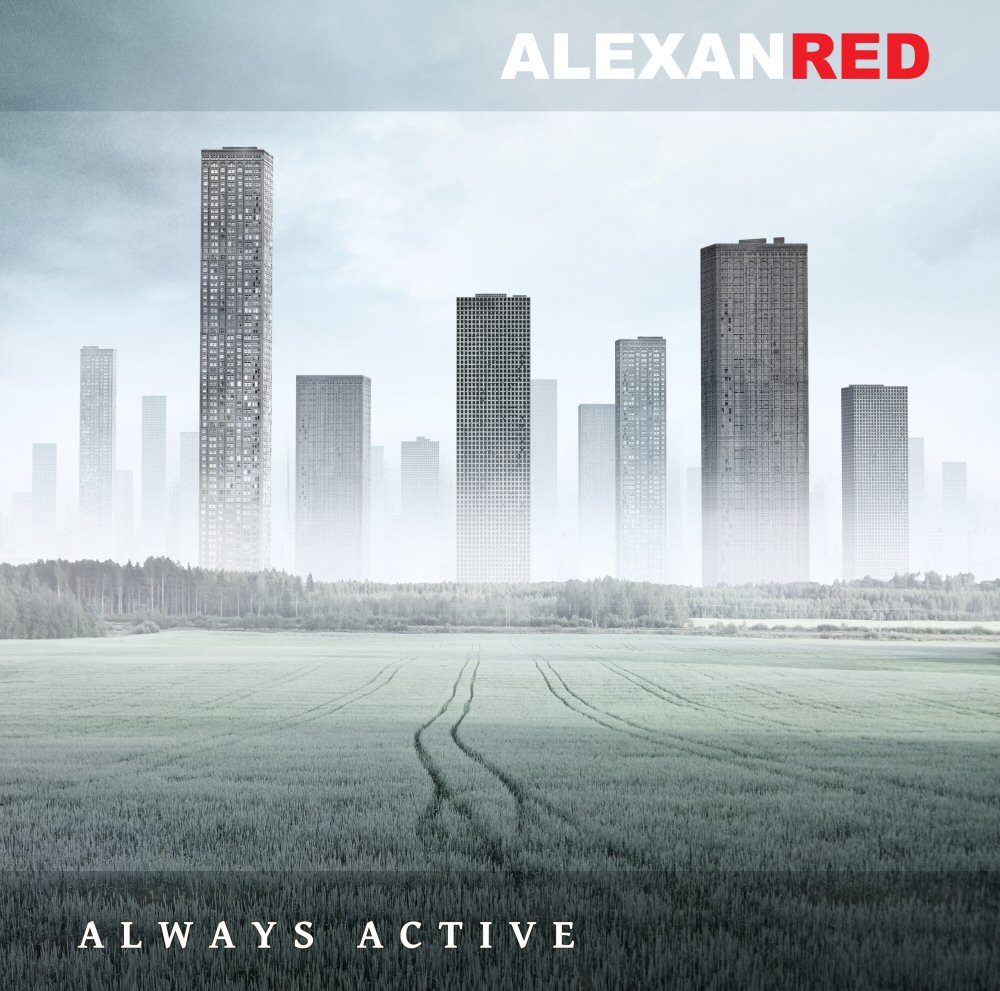
Alexanred are from Finland and this is their début album. They play Industrial Rock/Metal.
This is catchy and atmospheric Industrial/Electonica-tinged Metal. If you think of bands like Neurotech and Deathstars, remove the Black Metal side and mix this with a Nine Inch Nails influence instead, you’ll have a good starting point for the band.
The tracks mostly hover around the 3 minute mark meaning that the songs are largely to the point and hook the listener in quite quickly. The music is quite emotive and has an atmospheric quality to it that recalls some of Devin Townsend’s work on occasion, (but only occasionally).
Always Active has a professional sound that befits music of this nature. It’s a powerful and driving sound that seems to push the songs along as much as it works for them.
The vocals vary from whispered, semi-spoken word parts to sung cleans and to event the odd shout. He sounds at his best when he’s singing though, as the spoken parts seem a little forced/repetitive sometimes.
This is a good début album, and if Alexanred can build on this then the next album should be very good indeed.
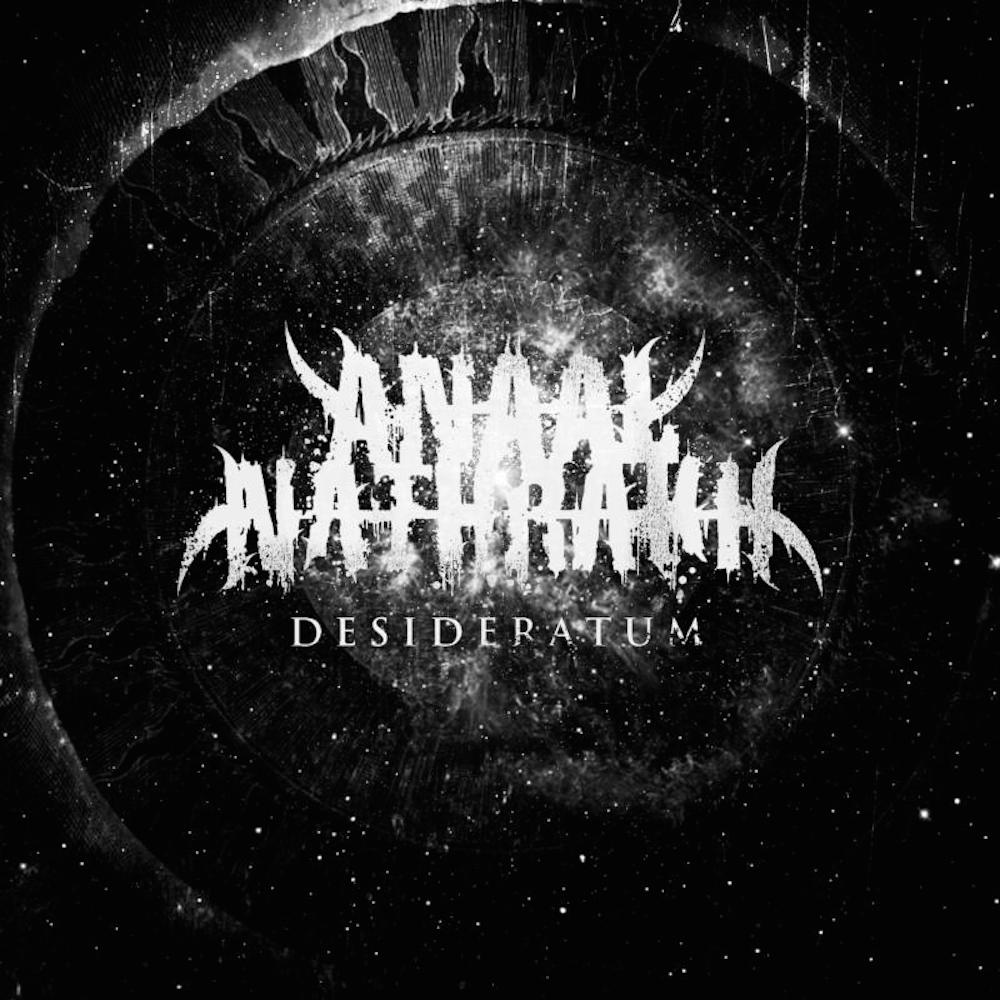
Anaal Nathrakh are from the UK and this is their 8th album. They play Black Metal.
Even since they first crawled out of Hell well over a decade ago Anaal Nathrakh have been a fixture of UK Metal for me. Their début album The Codex Necro was, and is, a case study in malevolent, grim Black Metal writ large and hateful.
Since their raw but powerful Black Metal origins their style has changed over the years; still scathing Black Metal but with elements of Extreme Metal and with added heroic and very catchy cleans thrown in.
And this is how we find them on Desideratum. The cleans are still buried under fields of filth and the screamed vocals are still sharp enough to slice fingers off. The intensity is real and the rage is palpable. The singer’s voice continues to be one of Extreme Metal’s best and his performance on Desideratum is stunning.
The songs are always catchier than you would expect for a band like this and even the most extreme blasting sections remain memorable. It’s always been a gift of the band that they are able to unleash such acerbic, raging songs that nonetheless remain full of hooks and enough Blackened melodies to give you whiplash.
Anaal Nathrakh have always had a vaguely Industrial feel to some of their work, sometimes coming across as an aural portrait of urban decay. On Desideratum this is more apparent than ever and adds a further layer of darkened potentiality to their sound.
When they’re not going full out hyperblast there’s even, (whisper it), a slight Djent slant to the odd riff here and there this time. It shouldn’t work but it does.
Eight albums in and Anaal Nathrakh continue to impress. The songs are strong and their apocalypse is coming ever closer. And do you know one of the best things about this band? They don’t particularly sound like anyone else. In 2014 this is a major achievement.
Another triumph from this Blackened jewel in the crown of UK Metal. Desideratum is desideratum indeed.
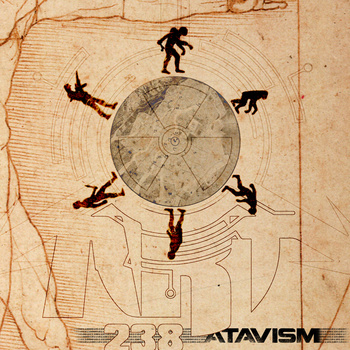
ART 238 are from France and play Industrial Extreme Metal. This is their latest EP.
Here we have three tracks lasting almost 22 minutes in total that showcase the band’s harsh blend of Industrial sounds and Death/Black Metal know-how.
Usually when bands attempt to merge these two genres the result is some half-hearted Death Metal with keyboards on top. ART 238 don’t fall into this trap, as the Extreme Metal they play is actually extreme, and the Industrial influences seem coded into the band’s make-up at the genetic level and then hybridised with cybernetics to create this fascinating beast.
ART 238 manage to merge ultra-brutal blast beats with more atmospheric Industrial workouts in a way that recalls Aborym if they had gone the Death Metal route rather than the Black Metal one.
Another thing I really like about this EP is that the songs take the time to explore their surroundings, like they’re genuinely trying to find the best fit for their various component parts. In a feat of ingenuity the band manage to work with both sides of their sound expertly and incorporate them into an Industrial Extreme Metal whole.
It’s a musical framework that not many bands try, as most that do usually sound weak, incoherent or like some 80’s synth parody. ART 238 sidestep all of this by going straight for the jugular with their creative brand of urban Metal.
For fans of and mixing influences from – Aborym, Mithras, Red Harvest, Axis of Perdition, Blut Aus Nord, Ministry, Dødheimsgard, Kekal, Invertia, etc.
Highly enjoyable and highly recommended. This is the sound of a mechanised apocalypse.
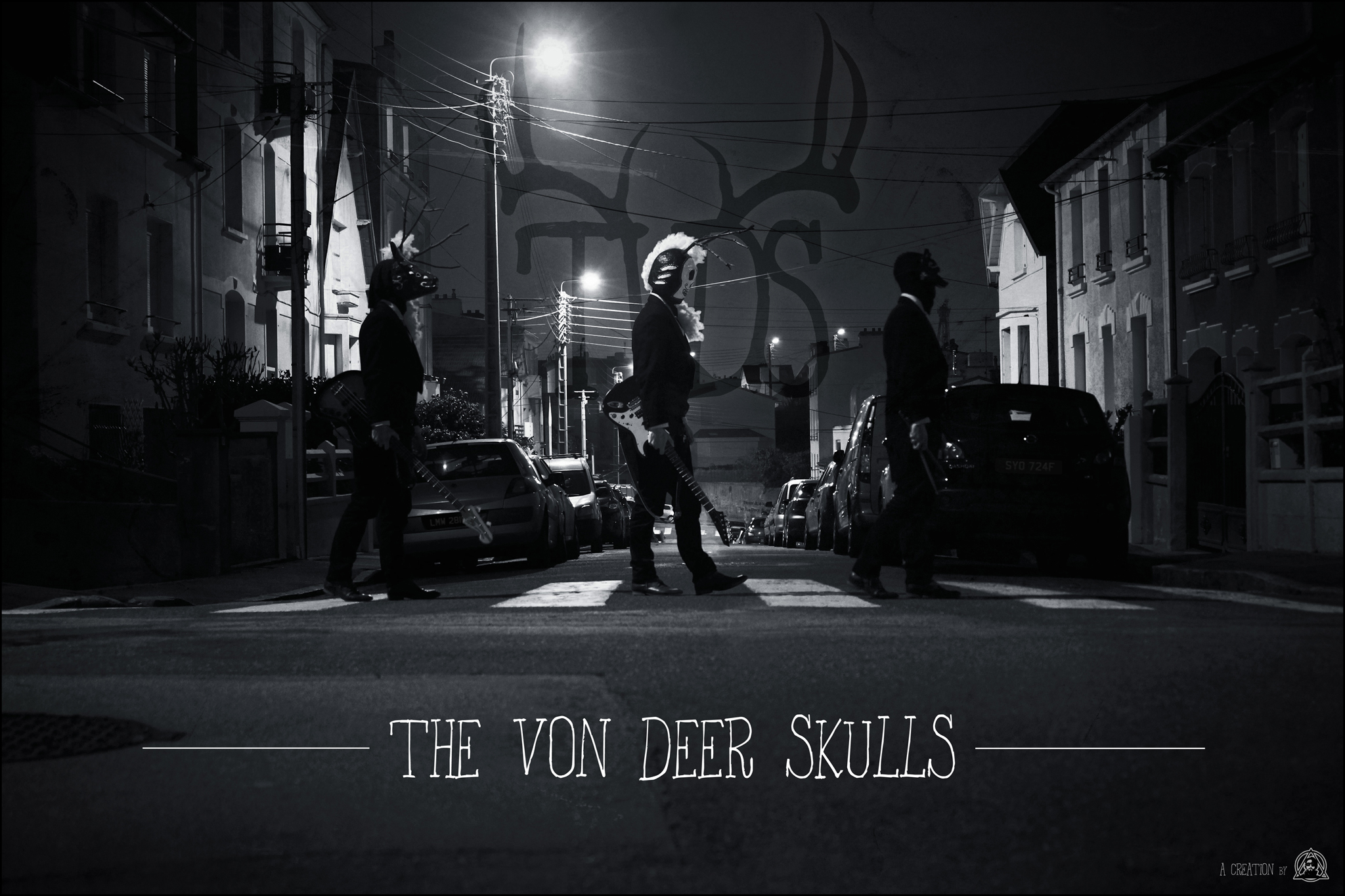
With their latest EP It’s Time to Paralyze The Von Deer Skulls have shown a willingness to experiment and test the waters of their burgeoning sound. Find out more below…
For those who are unfamiliar with your band – introduce yourself!
Peter: Hi, we’re The Von Deer Skulls a France based band. We’re a trio, but some other musicians play with us sometimes. We play something the press defined as Rock Doom Ambient, sometimes Indus or Post-Rock.
Give us a bit of history to The Von Deer Skulls.
Freke: The band started in the end of 2012, we have recruited Peter at the beginning to make the visual stuffs of our last band (The Dead Sound), but after talking a long with him we decided to make a new project.
Peter: Yeah at that time I worked on some songs that have become the basis of the project, then we wrote the song “B*tches Of The Wood” which is the one was entirely composed for the band like the interludes, intro and outro.
Hektor: Then we decided to make our biography like a history to serve the visual aspect of the band.
Where did your band name come from?
Hektor: The band name come from the artist pseudonym of Peter (Peter Skull), because like a leader to the band, and the “Von Deer” come from the semi-fictional biography of the band and because we have often antlers on our video-stage costumes.
Freke: It’s also to making us a family.
What are your influences?
Peter: Influences are from everywhere, each one listens to different things, I’m a big fan of Jazz, Tool, Godspeed You! Black Emperor, indus things. Hektor listens to a lot of Post-Rock, Electro, but also Radiohead, Kadavar and Freke listens to old Rock ’n’ Roll like Black Sabbath, and some loud things like Sunn O))) or Indus.
What are you listening to at the moment that you would like to recommend?
Freke: Right now I listen to a lot of Kadavar, go to listen this German band if you don’t know, otherwise some old Marilyn Manson & NIN period.
Peter: On my side, I listen some more soft things right now as The Decemberists, Miles, Coltrane and Goon Moon and Pelican a lot.
Hektor: I listen some Queens Of The Stone Age’s songs, Pelican too and the Godspeed You! Black Emperor’s discography.
What did you want to achieve with your new album?
Peter: We would like to record songs which are the beginning of the project, to know each other a little better as a band and to show the public who we are. But it is just the beginning, a presentation.
Are you happy with how it turned out?
Hektor: Yes, we think that’s a good beginning. We worked hard to develop the visual aspect as much the music, both are equally important in our universe.
Freke: We were actually surprised to have such good returns.
Give us a bit of information on the songwriting process.
Freke: Peter works on the structure, and we’re making all the atmosphere.
Peter: As for the songwriting process it changes according to the songs. Sometimes we want that song sound like that and sometimes they grow up alone.
How do you see your songs/direction developing in the future?
Freke: I think the next songs will be more loud, maybe more direct.
Peter: We’re working on it right now, some different songs, some heavy, some more ambient, but yeah maybe more direct for the moment.
Tell us a bit more about the visual aspect of your band.
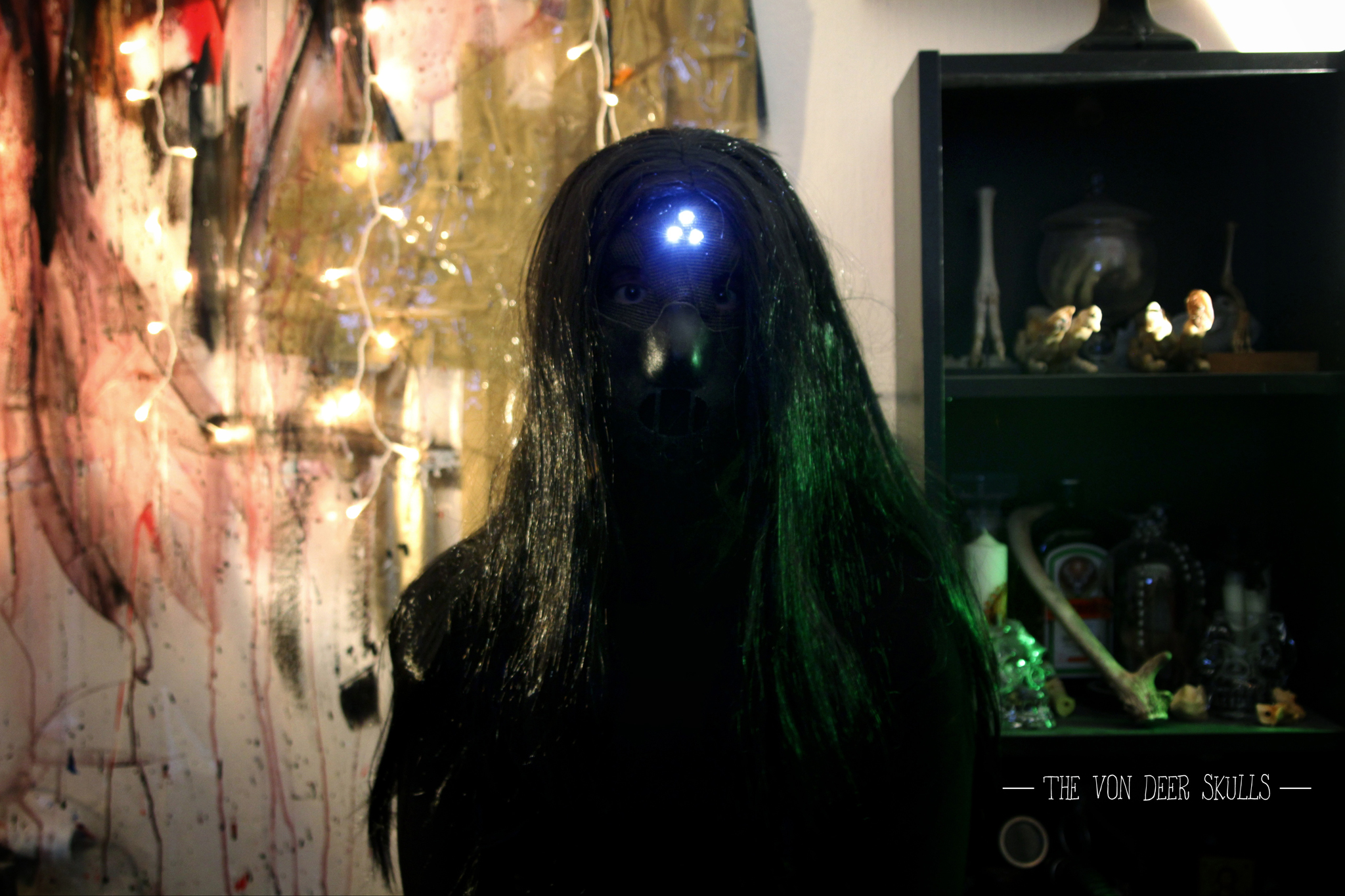
Peter: As we say before the visual aspect is as much important than music. Because it opens so many possibilities. At first I’m a visual artist, I love painting, shooting videos… for this band, because we create our own mythology and histories with that, it’s like a tale what we are proposing to the people, with the costumes, the videos…
Freke: And it’s also a way to distance ourselves from what we’re doing. The important isn’t what we look like, important is the music, the tale.
What’s next for The Von Deer Skulls?
Peter: Next, we’re working on new songs right now like I said, we hope to record them at the end of this year or in the beginning of 2015. And we’re going to do new videos to go with it.
Hektor: Yeah, don’t forget to follow us, new costumes and visual stuffs are on the go!

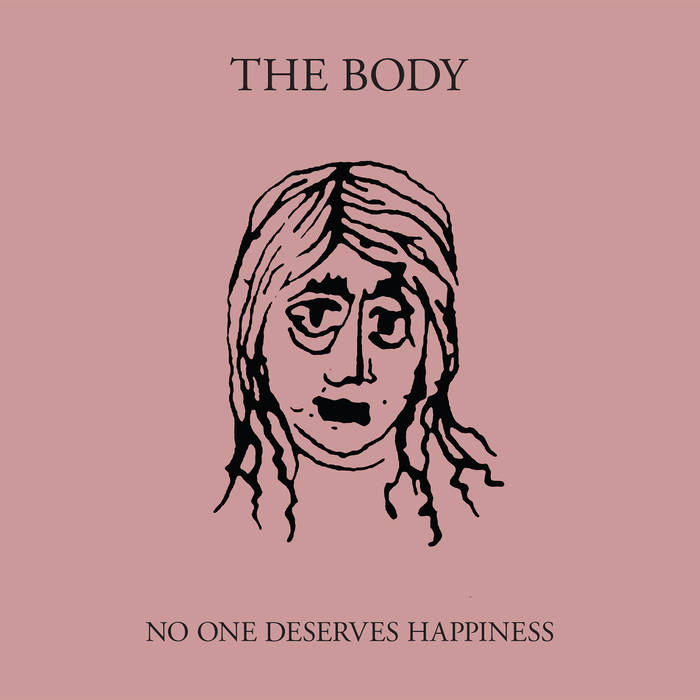 This is the fifth album from US Sludge band The Body.
 Are you happy with how it turned out?