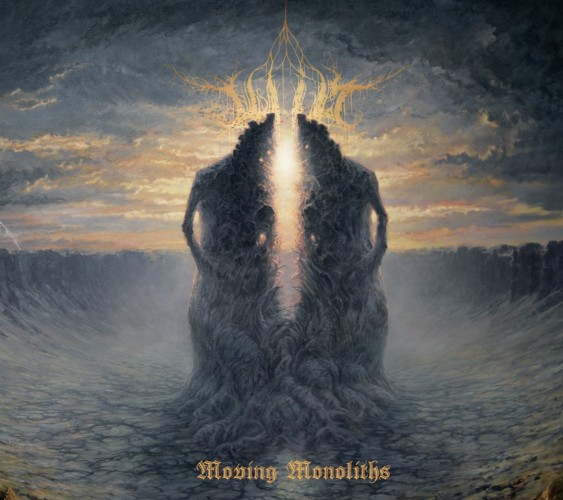
Dalla Nebbia – Felix Culpa (Review)

Dalla NebbiaDalla Nebbia are a Progressive Black Metal band from the US. This is their second album.

This is sophisticated Black Metal that incorporates elements of the Progressive and Atmospheric sub-styles into itself, as well as some Doom/Death elements here and there.

Featuring an added violinist on most of the tracks, this is expansive and exploratory music that may have a firm base in Black Metal but refuses to be constrained by its traditional trappings.

The band are clearly talented, imaginative and ambitious, which is a fine combination. Dalla Nebbia are the kind of band that brings influences from some of the best aspects of Emperor, Agalloch, Opeth, Arcturus, Windir and other similarly lofty bands together into one place and then makes them their own.

The songs have a high emotional content that seems to come naturally to the guitars. The tracks aren’t simple, straightforward affairs either, so this rich, emotive quality is even more impressive. Background synths and effects add a further layer to the variety of riffs and melodies used, with the intention of everything being to take the listener on a Blackened journey into the dark places of the world. With Dalla Nebbia as your guide, this is a trip worth taking.

Mainly propelled forwards with traditional Blackened screams; cleans, growls and other vocalisations also appear and reinforce the impression of a varied and interesting band who are happy to do things their own way.

This is a varied release that covers a lot of ground. It’s not something that can easily absorbed in one listen as there’s a lot going on here; each spin brings something else to your attention, and there’s a lot of quality content to notice on Felix Culpa.

Very impressive and very enjoyable. Make sure you look out for this one.
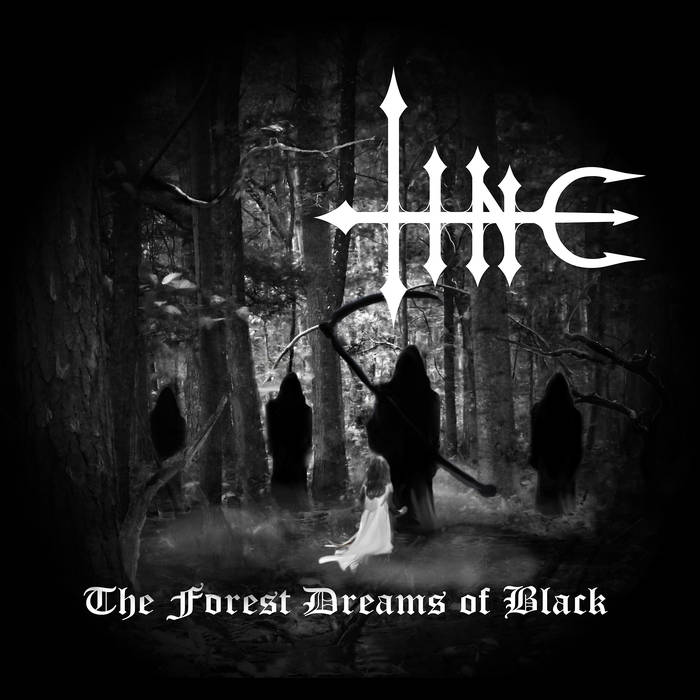
Tine – The Forest Dreams of Black (Review)

TineThis is the début album from US Symphonic Blackened Death Metallers Tine.

Blackened Death Metal is a funny beast. Frequently just a Death Metal band with some added Blackened spite, you also occasionally get a Black Metal band with some added Deathly brutality too. Very occasionally, however, you get bands that actually combine both styles in a convincing, equal way.

Tine are one such band. Combining the darkness and atmosphere of Old-School Black Metal with Death Metal’s feral core, The Forest Dreams of Black is a feast of spectrally enhanced Metal that takes elements of bands such as early Emperor and Behemoth to create 53 minutes of emotive Blackened Metal.

The Symphonic elements are nicely understated, making sure that they don’t overpower the rest of the music. They add and enhance, rather than overtake or smother. One of my all-time favourite Atmospheric Black/Death Metal albums is Depresy’s Sighting, so it’s a big compliment that The Forest Dreams of Black puts me in mind of this.

The music is clearly a passionate and personal affair for its creators, and this shines through in the music with a dark, poisonous light.

I have really enjoyed this release. There’s real feeling and atmosphere here, with an underlying emotional intensity that’s hard to ignore. The two different genres both come out in the songs in different ways and the commanding vocals are full of presence, bringing everything together to a charismatic focal point. A satisfying sound that isn’t too polished rounds off the impressive package and I am left with fond memories of a walk through a dark and dangerous forest, one that I’m happy to revisit again and again.

Highly recommended.

Vision Lunar – Luna Subortus (Review)

Vision LunarThis is the début EP from Vision Lunar, a one-man Atmospheric Black Metal project from Canada.

This is minimalistic Black Metal, atmospheric and haunting in its beauty and emanating an aura of darkness that’s softly broken by pale moonlight.

It’s a subtle affair, more interested in setting a scene and encouraging the listener to feel for themselves the primordial power of the night, rather than bluntly stating its intent with crude blasting or ugly vitriol.

The first song leads you in gently, while the last track lets you out slowly. In the middle is the main event; cascading Blackened riffs, producing a veritable sea of darkness that the moon gently glides above.

There are no vocals to sully the purity of this midnight exploration, only the atmospheric mood-setting of the guitars.

It’s a short release; at just under 12 minutes in length it’s a mere introduction to the vision of this particular artist. It’s worth setting aside the time to get to know it though, as its charms are insidious and rich in emotive qualities.

Listen and gaze up at the night sky.

Non Opus Dei – Diabeł (Review)

Non Opus DeiThis is the seventh album from Polish Black Metal band Non Opus Dei.

I really enjoyed Non Opus Dei’s Split with Morowe a few years ago. It even made it onto my Best of 2013 End of Year List, so it’s good to have this new release from them rear its head.

The band continue to play Black Metal that’s atypical and unusual. Sure, most of the hallmark features of the style are here, but Non Opus Dei seem to have this unfailing ability to do things a bit different than the norm. Which is great, of course.

The stylistic riffs give the band a modern sheen, yet the fact that the guitars and melodies are deeply Blackened results in songs that sound trapped between the atavistic, more obscure past of Traditional Black Metal and a more stylised, sophisticated sound. It works though, as the band take the best of both worlds and meet it in the middle, ensuring Diabeł reaps the benefits of this hybrid approach.

The inclusion of Progressive and Technical aspects in their sound in addition to the raw emotive platform of their Blackened core means that, once again, they are taking influence and inspiration from various, sometimes conflicting, sources and fitting them, (successfully), into their music. The resulting songs merge the simplistic older style with a newer, more complex style to great effect.

Highly recommended.

Maïeutiste – Maïeutiste (Review)

maieutisteThis is the début album from Maïeutiste, who are a French Black Metal band.

This is a long one – 76 minutes of Black Metal that’s grim, mysterious and not afraid to experiment and stretch the tenets of the genre.

Maïeutiste is infused with a playful experimentalism involving elements of Doom, Jazz and Progressive Rock. Traditional Black Metal is the core of their sound though, so don’t mistake this for a free-form, substance-free exploration of whatever the band feel like; instead we simply get Black Metal that adds to, and spreads out from, the core of the style, like a grand contagion.

The music sweeps like a cloak of darkness and the performance is varied and interesting. One moment you could be listening to misery-drenched Depressive Black Metal, and the next you could be listening to a stirring, epic refrain akin to the best that Viking metal has to offer. This is one example of many and demonstrates the talent and ability of Maïeutiste.

It still sounds coherent though, which is an important factor when considering a band like this. It doesn’t sound all-over-the-place and it’s not too varied as to make you wonder how it all fits together; under the darkened funeral moon of Black Metal, that’s how, as this makes up the bulk of the material here.

It’s a long and involving album, but ultimately a rewarding one. Check out Maïeutiste and see if it hits that spot for you.

Formicarius – Lake of the Dead (Review)

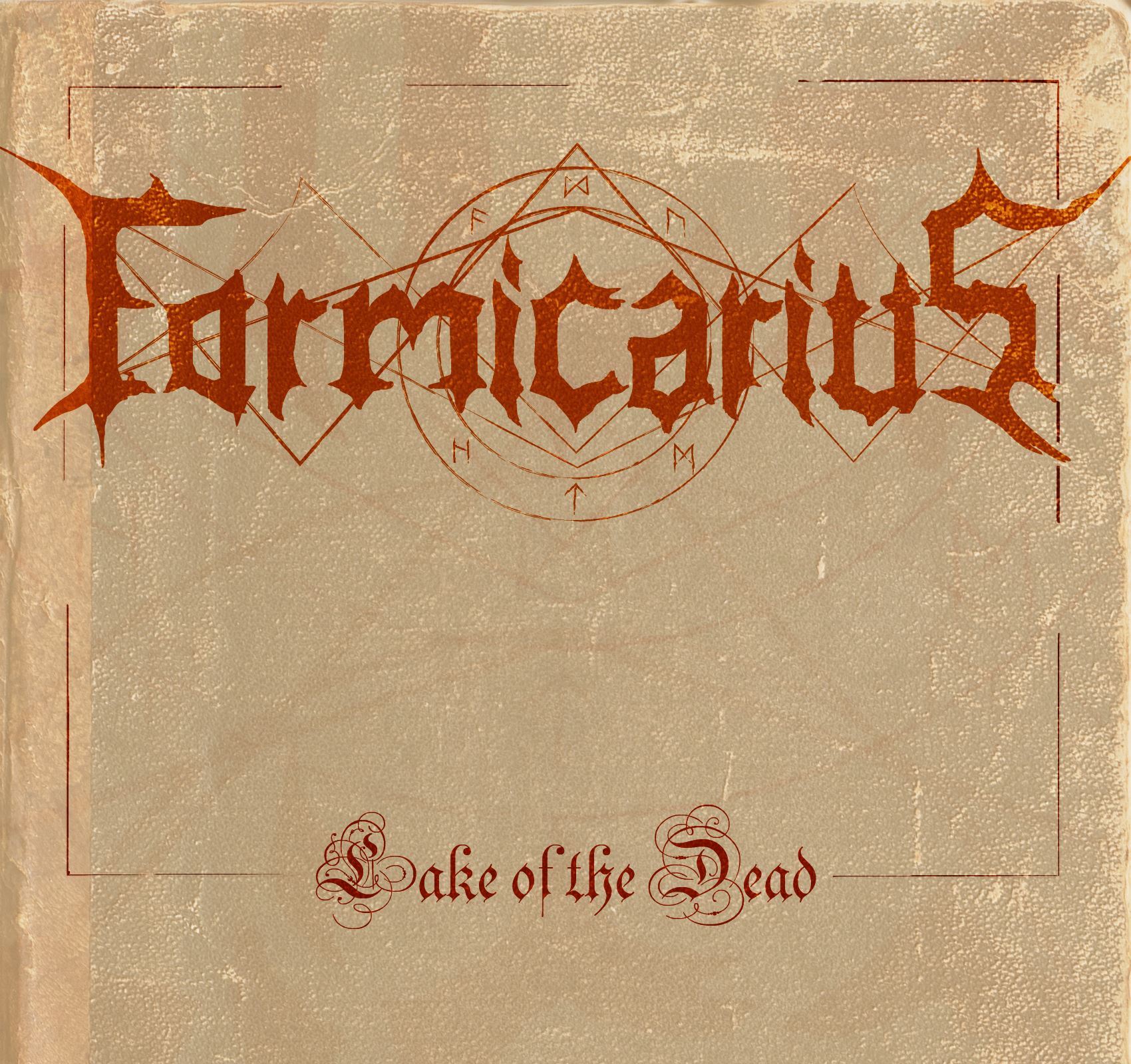
FormicariusFormicarius are a Black Metal band from the UK. This is their first release.

Here we have almost 12 minutes of music, made up of two originals and an Emperor cover. Formicarius’ Black Metal is Symphonic, Old-School and dark. Harking back to an early era when bands like Cradle of Filth, Emperor, Dimmu Borgir and Emperor were still young, Formicarius are attempting to herald a return to such times.

Featuring veterans of the UK Metal scene, (including the guitarist of the excellent De Profundis), this is a band who are starting out from a very strong position, so although this is only their first release it very much sounds like they have been together for a lot longer.

The songs have a streamlined darkness that flows and winds around the ostentatious keyboards like vines trying to strangle the life from something. The grim music pulses against the throat of the bright orchestration but doesn’t dampen its enthusiasm. Indeed, it seems spurned on by its antagonistic partnership to even greater heights.

One thing that was largely missing from this style back in the day was guitar solos, so I’m pleased that these make a brief appearance here. Played well, the music in general is accomplished and enjoyable. The songs are relatively simple homages to the Old-School Symphonic Black Metal style, (a bit of a mouthful), that are well-written and perfromed by people who clearly know what they’re doing.

Although there is a good helping of nostalgia with music such as this, (very much so for me), this is still a band who are doing their best to bring the style into the modern age. Admittedly, there’s only so much of this which can be done before changing the music into something else entirely, but on Lake of the Dead it’s the small touches here and there that give the band a certain edge; a short melody, a certain riff or keyboard addition…it distinguishes them as a band who are from the here and now, regardless of how old a style it is that they play and clearly love.

And the Emperor cover is fucking great, too.

12:00 minutes of quality. Get it.

Telerumination – Telerumination I (Review)

TeleruminationTelerumination are from the US and this is their début release. They play Atmospheric Black Metal.

Purely Ambient/Drone/whatever music doesn’t really do it for me most of the time. Sure there are exceptions; I enjoy bands like Haate and Pogrom, as well as Wolves in the Throne Room’s experimentations. From a non-Black Metal perspective, you also have releases such as those from IIVII and Aires, which I have also taken to quite nicely. For the most part though, it’s not for me.

So, what’s this got to do with Telerumination? Well, over the years it’s occurred to me that one of the main things, (although not the only thing), that is missing from the style is drums. I’m a percussion man. I love drums, beats and everything associated with them. This rather long-winded introduction is essentially a way of saying that Telerumination is, at heart, a Dark Ambient release, only with percussion.

Hmm. Maybe I should have just said that at the start, brevity being the soul of wit, and all that…

Anyway, low-key drums, creepy, understated screams and the odd bit of guitar is added to a strong synth-based core to create music that takes the best of Dark Ambient and, in my mind at least, improves upon it.

One of the brains behind Telerumination is the guy who does Natanas, so in a way you can view this as a less evil, more atmospheric version of his work with his main project. Telerumination does have a restrained malevolence to it, but nothing like the overt nightmare sounds that Natanas fosters so well. If Natanas is a portal into the underworld, a vision of Hell and all damnation, then Telerumination is a mirror that shows what’s behind the suffering; the subtle torments that lie underneath.

This is an oddly relaxing release. I mean, it probably isn’t if you’re just Joe Public and you had to listen to it. God knows what they’d make of it. I imagine it would probably give them nightmares. For us seasoned music fans though, it’s as if a swathe of sentient darkness has been filtered through a lens so that only the finest and most subtle of horrors were allowed through, creating textured explorations of distilled Black Metal that can comfort and amiably disturb those who have the will to succumb to its soothing terror.

This is an impressive collection of music that succeeds in its task of spawning a Blackened Ambience that improves upon the purestrain parent style to become something greater.

Turn off the lights and enter the world of Telerumination.