This is Old-School Swedish Death Metal from Ending Quest.
Swedish Death Metal played by actual Swedes? Yes please!
Instantly That Sound assaults your ears and we’re off into the realm of chainsaws and bright red arterial blood.
The brutal guitars and the ferocious melodics conspire to activate all of the pleasure centres in my head at once…I think I need to have a sit down now.
Yes, yes; I have a soft spot for this type of Death Metal. Over the years it’s just kind of crept up on me. I just really, really like this style of music. It may not be anything new but who cares? It hits the spot right where I need it to.
Ending Quest sound absolutely huge and have a big sound in every sense. Awesome melodies and crushing guitars are powered by a percussive backbone and deep, coarse vocals.
Ah yes, the vocals; like a rabid dog barking. Guttural, unhinged and rough like something inhuman. They’re the icing on this very delectable cake.
The songcrafting is top of the range and the band seem to be having a whale of a time throwing out huge riffs and spookily heavy atmospheres.
As I sit and write this on a wet Sunday morning Ending Quest are the perfect wake-me-up to get the blood flowing and the energy levels moving.
Unless you’re absolutely sick of the Swedish style and think it’s been done to death, then this should be high on your list of things to get. And if you are sick of the Swedish style? Well, get this anyway as it might just be the refreshing tonic you need.
This is the second album from Polish Technical Death Metallers Redemptor.
A brief Classical intro segues into frenetic technical mayhem with blastbeats, guitar craziness and harsh growls dominating the airwaves.
The band are controlled chaos with lots of ideas and sounds harnessed into their arsenal of impressive musical wizardry.
Take a band like Gorguts as your starting point, throw in a bit of Iniquity and Meshuggah and the starting blueprints are in place for a band who are not destined for mediocrity.
They have a skilled drummer and the songs are very percussive. The remaining musicians are also suitably talented and if it wasn’t for a good grasp of dynamics and some well thought out songwriting the songs could easily collapse in on themselves in a frenzy of technicality; this is avoided though by judicious use of restraint and energetic riffs.
They allow a bit of Jazzy, seemingly free-form experimentation to creep in on occasion, although I imagine it’s far more thought-through than it sounds. It does the trick though.
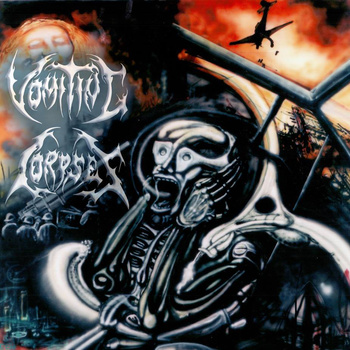
Vomiting Corpses were from Germany and played Death Metal.
This is a reissue of their 1995 album and their 1994 demo Cold Blood.
This is brutal and heavy; blast beats and crushing riffs paired with deep growls that menace and bully.
Apart from these guttural growls the band also throw in the odd surprise, with ethereal female vocals and someone who sounds exactly like the singer of Obituary both making appearances.
The songs, especially the demo ones, are rough and raw, but perfectly listenable and bristling with aggression. Even so, it’s a very satisfying listen with the music connecting on a primal level.
Vomiting Corpses clearly weren’t interested in just copying the bigger Death Metal names in the early 90’s; they had their own ideas about what Death Metal should sound like and who can argue with their vision when presented in such a good way?
There’s a clear sound progression between the demo and the album, although both are recognisable as the same band.
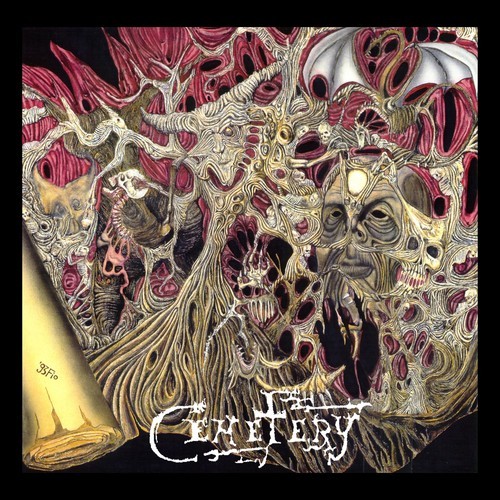
Cemetery were a German band who were active between 1986 and 1993.
This reissue is two discs of Death Metal, played with passion and interest. This compilation holds all of their recordings between 1991 and 1993, including their lost album that was recorded but never released.
There is an hour and 40 minutes of music here and all of it is top quality. With more exposure this band could easily have been a leading light in the Death Metal scene.
This is powerful material, played and written very well; it shows up a lot of bands these days who have half the creativity that Cemetery display.
The longer songs show that the band were pushing the boundaries of standard Death Metal at the time. Who knows what they could have released eventually?
What we have here though is ample evidence to show that they knew what they were doing. Occasional effects and acoustics are combined with brutality to make interesting songs that all have that special secret ingredient; these songs satisfy, deeply, in ways that only the best Metal can.
Solid playing, melodics, solos, riffs; all of the necessary elements to make a strong album.
It should be noted that the sound is surprisingly good. Everything sounds balanced, clear and crushing.
This is a lost gem of an album; 20 years buried and now unearthed to give pleasure to all who would listen. Forget whatever latest flash-in-the-pan nonsense you’re thinking of buying this month, invest in Cemetery and listen loud.
Polish band Hybris have just recently released their début EP – this is 18 minutes of Thrash-tinged Death Metal.
The first track Amnesia is the longest of the three and starts with a soft atmospheric intro that builds into a nice Thrash riff.
The songs are memorable and well-executed slabs of Thrash/Death, with a strong Old-School feel to the recording and aura of the EP.
I hear a good amount of influence from bands like Death. In fact this is the main comparator I’m reminded of; Death with a technical Thrash makeover. Other influences come into the songs as well though, such as the Egyptian vibe on Egyptian Darkness.
The music is crisp and technical but without sacrificing the song itself. The sound is precise and even the bass can be heard in a meaningful way.
There are lots of solos and leads; the band can certainly play but it’s not showboating or self-aggrandisement, just a sheer love of Metal and the demands of the song.
A most enjoyable EP that introduces Hybris to the world and promises great things for the band.
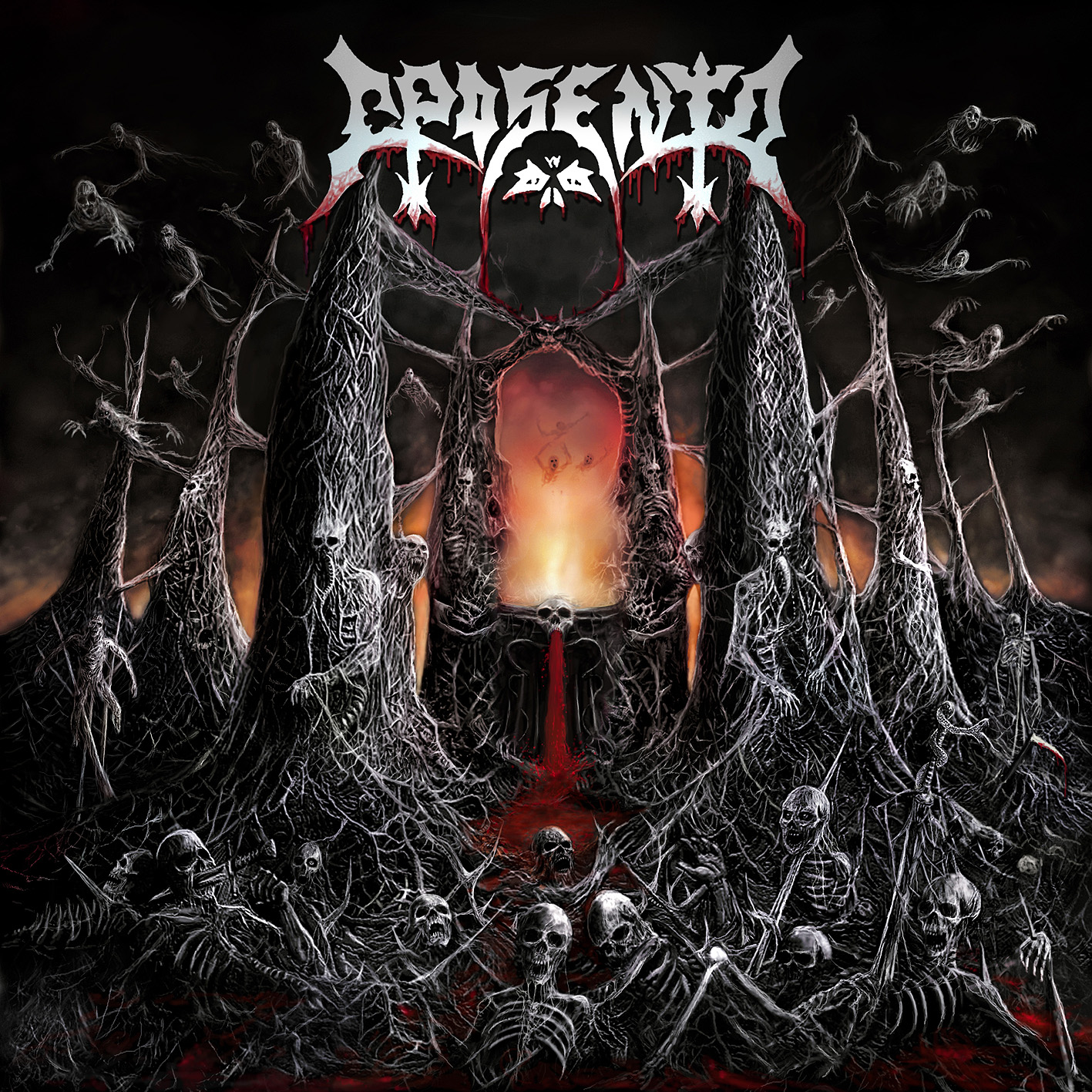
This is the début album of Spanish Death Metal band Aposento.
Take a look at the album art. If that doesn’t scream DEATH METAL at you at then I don’t know what does. Top work.
Aposento have been around for a very, very long time but this is the first album they’ve actually released. Kind of crossing the sound of bands like Avulsed and Deicide, Aposento offer us in-your-face Death Metal with an understanding of what makes a good song catchy and memorable while simultaneously piling on the brutality.
A strong, solid sound increases the impact the songs have with the riffs and pounding drums working in unison to plough down anything in front of it.
Vocally the singer is deep and follows the Avulsed school of guttural noises.
The songs take elements of Old-School Death Metal and merge them with a more timeless style of Death Metal akin to Cannibal Corpse’s USDM in the sense that it’s not ultra-modern but it’s not completely Old-School either; rather it contains elements of the timeless Classic style. Ultimately this is Death Metal, and no-one would have trouble recognising this for what it is.
Quality Death Metal played by lifers who know their business.
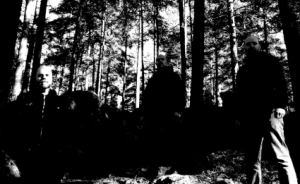
Having recently released their début album Imago, Mordbrand are like a fiery beacon of hope and devastation in the overcrowded Death Metal arena. Time to find out more – Björn Larsson gets a grilling below…
Give us a bit of history to Mordbrand
Me and Johan started out doing death metal again after a hiatus of a couple of years (we used to do the same in a band called Horned that we split up in 2002). I was very inspired by older filthier death metal bands – which sounds like a cliché today in this over flooded OSDM “scene”. Well, that’s the way it played out and we recorded some songs in our rehearsal place (that then was inhabited by THE LAW, the thrash metal band that we were very active with then). After releasing a split with EVOKE (eng) we decided to bring things up a notch. We contacted Per, he liked what he heard and we started writing and recorded what came to be “Necropsychotic”.
Where did the name come from?
I thought of the name “Arson” but I didn’t like it too much. Then my fiancee came up with the idea to use the swedish translation – “Mordbrand” – in a very non-Yoko kind of way. We, the band, thought it sounded good and didn’t care too much about the actual meaning of it. This was still in the early phase of the band but the moniker just stuck with us.
What are your influences?
Lyrically: Total death. Musically: Old death metal, newer esoteric death & black metal and crusty punk.
What are you listening to at the moment that you would like to recommend?
Oh, I listen to a lot of things. I think that Mitochondrion, Autopsy, Vallenfyre, Bombs of Hades, Rite, Gravehill, Triptykon & Behemoth have released really impressive stuff lately.
How did you decide on the style of Death Metal that you wanted to play – what appeals about the Swedish Death Metal sound?
We started out playing Autopsy-esque death metal and never really thought we’d make “swedeath”, and I’m not sure we do. I think it’s the d-beat stuff that make people draw that conclusion. We don’t care, people can label us in any way they want. I use a Boss HM2 pedal which is quite important for the swedish sound, and maybe people can’t get passed that. I don’t know.
I’m pleased that you’re not just regurgitating past glories with your music. You seem to be one of the few bands who are trying to move the style forward and develop it. What are your thoughts on this?
Yes and no. I think we’re moving forward as a band but I don’t feel we have a responsibility against the genre. We do music the way we like it and we happen to digest a lot of melodic and dark music upon the strong death metal foundation. So we don’t have a deliberate task or anything. But it’s obvious that you get that we’re not a tribute band and that’s something more and more people are discovering.
What were your goals with Imago?
To make a record you haven’t heard until you’ve heard the whole thing. A lot of records do ‘sounds’ pretty well. Bands are good at nailing a mood or a sound of some genre or scene that they dig – which is cool. Our focus is to make _songs_ and try not to repeat ourselves. You’re gonna hear a lot of different things going on on “Imago”, but I think and hope that it all stays in the framework that is Mordbrand. Per’s unique vocals bind it all together in my opinion.
Give us a bit of information on the songwriting process.
Often it’s me making the riffs and putting together demos that I send to the other guys. Then they bring me feedback and Johan starts rehearsing the songs. When the demo’s sound solid we start recording and produce it together. Since we record everything ourselves we’re not reliant on someone’s payroll and we get to throw away stuff if we’re not pleased with it, which is great ’cause we don’t have to gamble with quality.
Would you change anything if you had to do the album again?
Of course. Since we do everything ourselves we’re constantly learning. It’s a process in itself to not think about all the flaws in the end result. But everything is flawed, so it’s about ‘letting go’ and realizing when you’re done. Luckily we don’t have to do the album again.
How do you see your songs/direction developing in the future?
Well, the way we develop as artists and songwriters. Mordbrand will always be dark and brutal and that’s the only guarantee we can give.
What’s next for Mordbrand?
A split 7″ with RITE is on the way and should be out during the summer on Chaos Records. We also have a 7″ of our own with two new songs on it. Two other splits are planned too, but we can’t reveal any info on that just yet. All of our releases are gonna contain original unique material, at least that’s the plan, so we won’t regurgitate old stuff and release separately just because it’s convenient. We did that with two songs on “Necropsycotic” ’cause Per’s ideas changed the songs into new entities (and he didn’t sing on the original versions), but that was an exception to the rule.
Frontal are from France and play Techincal/Progressive Modern Death Metal.
Imagine Meshuggah if they had more of a Modern Death Metal influence; add in a bit of Technical Thrash and this is the area that Frontal inhabit.
The songs are technical, angular and also remind of Devolved only without the Industrial influence, (and blast beats). Another description I suppose would be Progressive Deathcore, which sounds like an oxymoron, but only if you assume all Deathcore is stupid, (it isn’t).
The colliding riffs and obscure melodies will no doubt put some people off, but just as many will take to this easily and lap up the heavy, militaristic Technical Thrash that the band offer.
The vocalist has a good pair of lungs and for the most part spends his time using them to shout out lyrics in a throaty roar.
This is music that lacks subtlety but is still nuanced and complex. Although the riffs come thick and fast the band allow them to congeal on occasion to produce a stirring section or emotive passage, before fracturing once more and falling away in different directions all at once.
Definitely a grower. A good album that will probably suffer from premature dismissal by a lot of people, which is a shame as there is a lot to like here. Give them the time to show you what they can do.
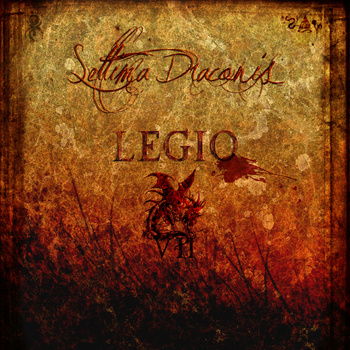
Settima Draconis are from Germany and play Melodic Death Metal.
Legio has a good sound that allows the band to show off their works.
This is Melodic Death Metal with a Gothic influence and heavily accompanied by violins and strings. These Classical elements are not overdone though and add the right amount of atmosphere and culture to the heavier guitars and snarling vocals.
For a crude reference point, think Dark Tranquillity combined with the music of Therion and a more free-form method of songwriting, particularly in the drum department. Only a crude reference point, as I say, but it gives the right kind of idea.
While this is bound to be somewhat of an acquired taste, (but what isn’t though, really?), it’s worth checking out if you want Gothic Metal with colour and unusual quirks to the songs. While it can seem a little incoherent at times it shows a band trying to do something a little different and this should be encouraged.
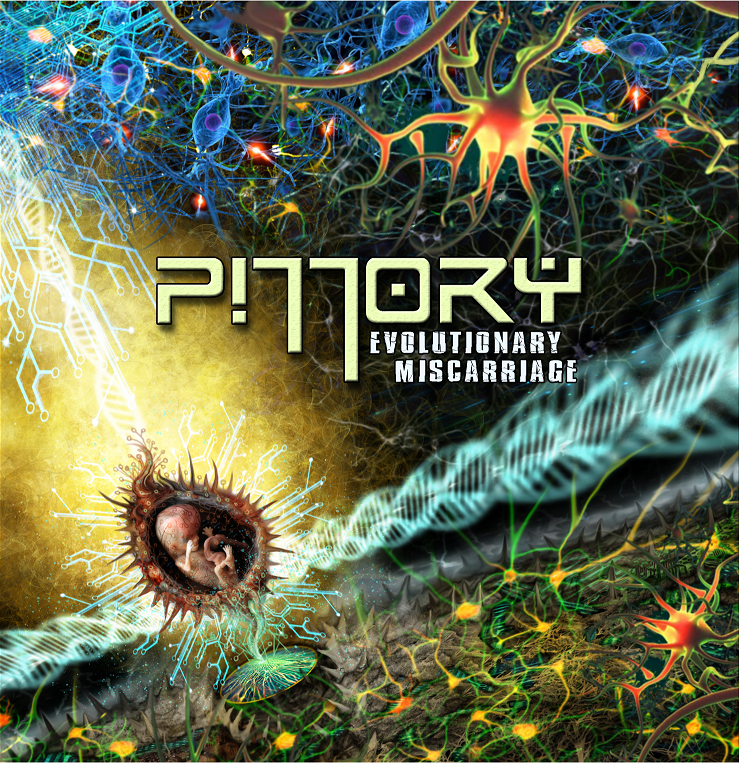
This is the second album by US band Pillory who play Brutal Technical Death Metal.
Fast, intricate and brutal; welcome to the world of Pillory. It’s a colourful world populated by an over-abundance of riffs and ideas, with spikes of melody and angular guitar heroics rushing to save the day.
The vocals are mainly gruff shouts but are varied in places with the singer showing he’s capable of more than just straight bellowing into the microphone.
The songs are busy entities with a lot being crammed into every second. If this was all the band did it would be impressive enough, but what’s really impressive is their ability to show restraint when needed. Sometimes you don’t need a million separate things happening at once; sometimes less is more and Pillory seem to know this as they also have entire sections in their songs where they allow a riff or idea to stabilise and develop for a little while before it once again mutates and goes off in a hundred new directions.
For this reason Evolutionary Miscarriage scores higher than a lot of Technical Death Metal as there’s more to it than just insane time signature changes or deranged guitar wizardry; yes they have giant bucketfuls of both but they also know about pacing and dynamics, which are far more important when it comes to longevity and depth of composition.
If you’re a fan of non-standard Death Metal then this is a creative and exploratory album that should suit you well.

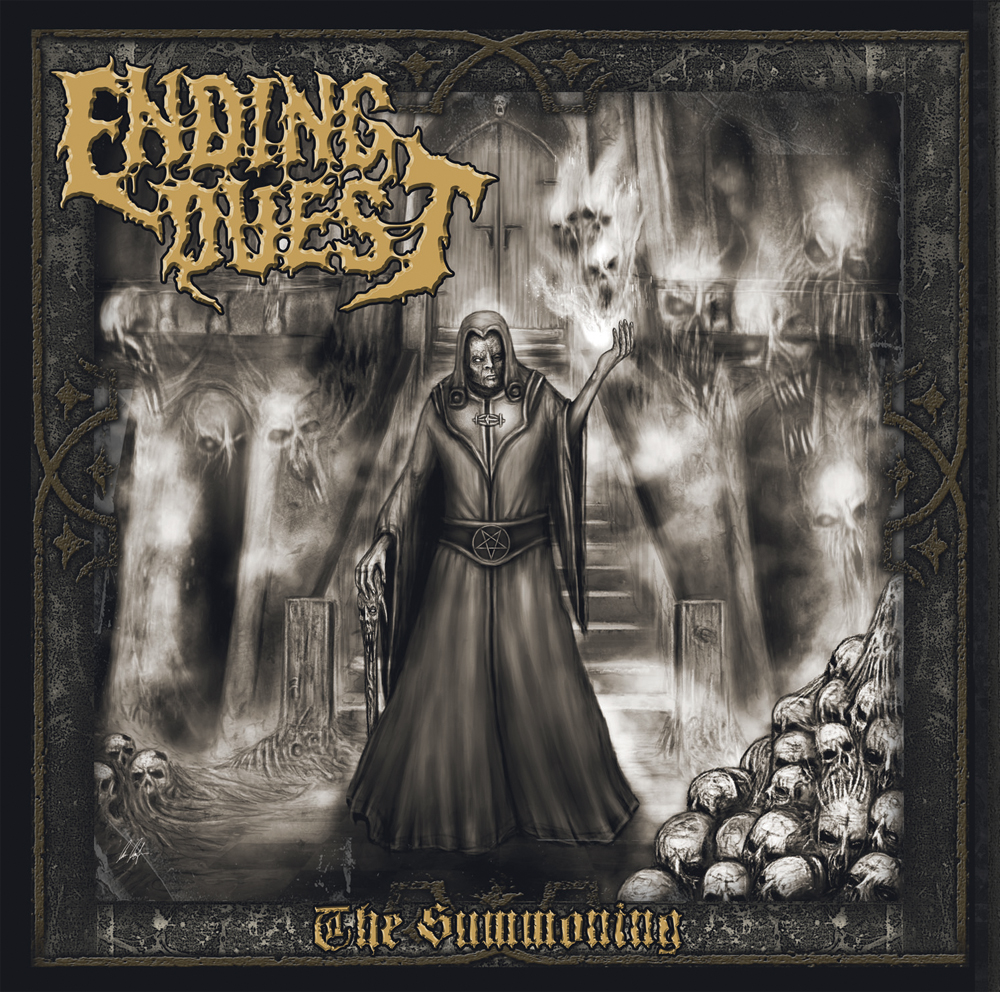 This is Old-School Swedish Death Metal from Ending Quest.
 What are your influences?
 Would you change anything if you had to do the album again?