This is the second album from Japanese Funeral Doom band Funeral Moth.
Funeral Moth’s music is comprised of sparse, slow riffs that create atmosphere through space and elongated emotion rather than outright heaviness or pure distortion. It’s a slightly different approach than most artists of this ilk adopt, but one that sees the two long tracks on Transience work a, (miserable), treat.
The band this reminds me of most is Earth, if Earth played Funeral Doom and had growled vocals.
The music is introspective and gloriously woeful. It tempts you to lie back and trance out, while the sombre, mournful melodies carry your consciousness off and your body slowly settles into its place in the cold, wet, uncaring soil…
Throughout this slow decline of sentience we get the aforementioned deep growls churning in line with the music. These are both quite traditional in delivery and also subtly different, having a roughness to them that seems sparse and minimalistic, also in line with the music.
A dreamy, seductively calming way to spend 40 minutes. Enjoy.
Deveikuth are a French Funeral Doom/Drone band and this is their latest release.
Now this is some heavy stuff.
The first track starts off with some sickeningly distorted bass that seems to overwhelm everything else as maniacal vocals scream obscenities into a bucket. A dirty bucket filled with filth.
The striking vocals overlay the constant feedback howling and murky distortion of the tracks. Said vocals are unhinged and sound quite disturbed. Juxtaposed against the slow, unhurried music it creates quite an impression over the 12 minute playing time.
Track two is more of an ambient, mood-interlude, albeit one that lasts for six minutes. Strange sounds and odd noises accompany some semi-excited drums like something esoteric stalking something playful. Apart from a kind of spoken word bit near the middle, it’s instrumental and a nice change of pace and mood after the disconcerting menace of the first song.
The final song is the longest here at almost 17 minutes and shows the band in more of a build-release mode, with some extra atmosphere included too. Shrieking, wailing vocals accompany equally turbulent music as Deveikuth pull you under the water and hold you there, enjoying your gurgling demise.
This is a release that reeks of pain, anguish and warped sensibilities. It’s not for the faint-hearted and not for people that like clean, easily digested music.
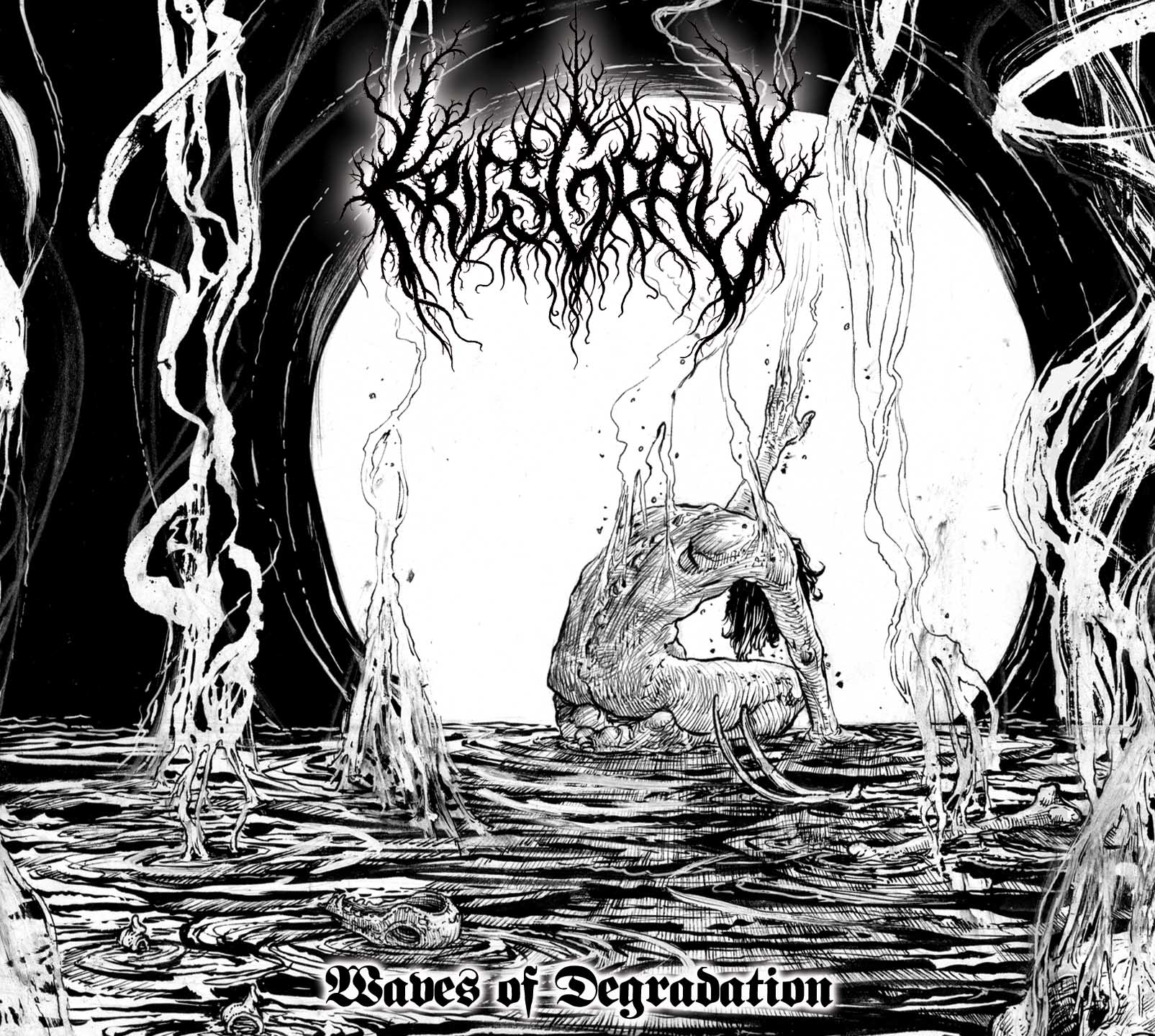
Krigsgrav are a Black Metal band from the US and this is their fourth album.
This is long and expansive Black Metal with a melodic edge. It’s vibrant and exploratory without losing focus and across these lengthy tracks the band take the time to unfold their vision of what Black Metal should look, feel and sound like in 2016.
If you take the depressive core of a band like Forgotten Tomb and add some Post-Black Metal influences, then you’ll be in the right area of where Krigsgrav lurk. Elements of depressive and melodic Black Metal round this out, as well as some aspects of funeral Doom.
With a decent recording the band’s compositions take on a dark life of their own. All of the instruments sound clear and precise, and I always like an album that you can hear the bass on, especially when it makes a valid and noticeable contribution to the music.
Additional instrumentation appears here and there, adding extra tools to the band’s repertoire and deepening the depths of sound that they create.
The vocals are notably impressive; ragged screams that sound like the singer is ripping his throat out are enhanced by the occasional deeper growl and some powerful cleans.
The songs describe harrowing tales of misery and hopelessness, set against a backdrop of just enough light and possibility so as to make the dark atmospheres all the worse. The mixture of lighter sections and heavier, blackened distortion work well and the build/release Post-Metal mechanic is used effectively in a Post-Black Metal environment.
Waves of Degradation is an impressive listen and has more than enough content to compel you to visit it again and again.
Lycus play the kind of hugely impressive and accomplished Doom that makes being into this kind of music worth it. Chasms is heavy, slow, full of dark atmosphere and is the kind of thing you can just get lost in.
The band combine Sludge, Funeral Doom, Post-Metal, Death Metal and Black Metal into their sprawling Doom-drenched sound.
The emotive guitars are frequently designed to wring out every last drop of negative emotion from the listener, dragging them deep down into Lycus’ gloom-lit domain.
Deep growling vocals sound huge and intimidating, while lonesome cleans add another aspect to the band’s delivery and allow them to explore other moods and feelings that wouldn’t necessarily fit well with growls.
The dark, doomy worlds that the band effortlessly paint across these 44 minutes are punctuated with moments of Black Metal violence that manage to not feel out of place at all, despite the change in speed and feeling.
A cello also appears infrequently, highlighting another sonic string to their bow, adding another layer of depth to their encompassing sound.
It’s these kind of touches that allow Lycus the freedom to do what they want and create the soundscapes that they feel reflect what they are trying to say. The fact that they do all of this exceedingly well is a huge bonus for the listener, of course.
It’s emotionally stirring stuff, and it’s hard not to get lost in the maelstrom and transported to the grim realms in which Lycus inhabit.
Despite how immediately enjoyable it certainly is, it’s very definitely a grower of an album though, requiring multiple sittings to properly appreciate its subtle and seductive charms. Once it has its claws in you though, there’s no escape. Into the chasms you go.
Bosque is a one-man Doom band from Portugal. This is his third album.
This is mournful, slow Funeral Doom that’s wonderfully despondent and drenched in desolate negativity. The music reeks of isolation and loss.
The guitars have the timbre of a Black Metal album, but enslaved and put to work down the Doom Metal mines. This lends Bosque quite a distinct blackened feel while still staying mainly in the Funeral Doom camp.
There’s a severe minimalism here too, fed further by the Black Metal aesthetics, that manages to successfully convey a huge amount of darkly emotive themes with limited tools.
The vocals are low-in-the-mix cleans that sound completely anguished and forlorn. Their sorrowful delivery reminds the listener in no uncertain terms that everything is pointless and nothing has any meaning, other than what is given, and even that is probably worthless.
The songs are quality exemplars of the style and it’s easy to get lost in the misery on Beyond.
It’s rare that you hear Funeral Doom quite this nihilistically bleak and delivered with such conviction.
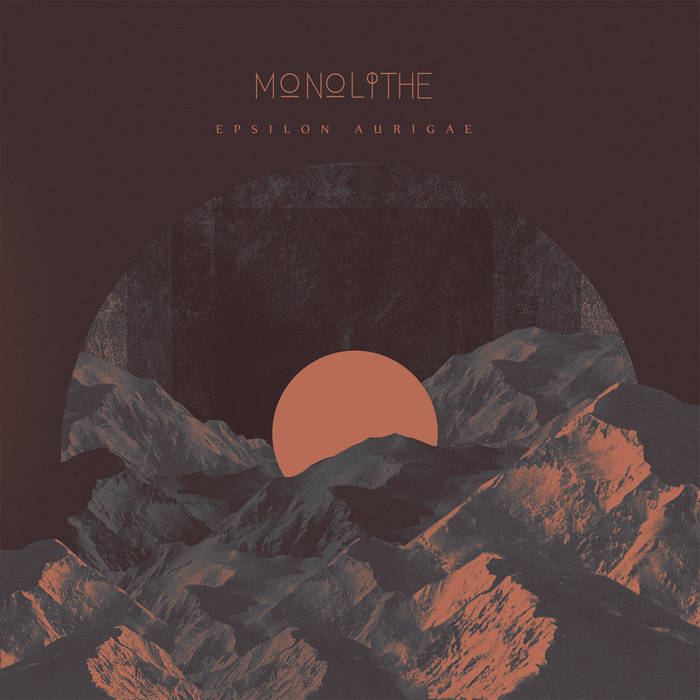
Monolithe are a French Doom band. This is their fifth album.
This is somewhat of a departure from the normal Monolithe style in more ways than one. Previously specialising in hugely-long forays into cosmic Funeral Doom, (such as Interlude Second and Zero/II), here we have three songs, (each exactly 15 minutes long), more muted, subtly-mysterious artwork and music that has undergone a slight change in direction too.
Although Epsilon Aurigae is musically not a complete change, it is markedly less Funeral Doom and instead travels down a more Progressive Doom Metal pathway. Elements of their Funeral Doom past are still apparent in the songs of course, with emotive content and subtle, (and not), keyboards still a mainstay of their sound. On this release though, this is added to and enhanced by other influences that give the band an even more well-rounded sound than they had previously.
The deep, dark, growled vocals punctuate the music like storm clouds over a choppy, violent ocean. The music moves with a sure inevitability underneath the aggressively overcast skies like an unstoppable force. The music does sound like a force of nature, albeit one that’s manufactured and artificial rather than being entirely natural; a force of unnature, if you will.
This is an impressive development in Monolithe’s sound and Epsilon Aurigae is quite possibly some of their best work to date.
Un are a Doom band from the US. This is their début album.
This is an impressive and ambitious release that takes elements of Doom, Funeral Doom, Sludge and Post-Metal into its miserable embrace and crushes them all into a murky paste. Continue reading “Un – The Tomb of All Things (Review)”
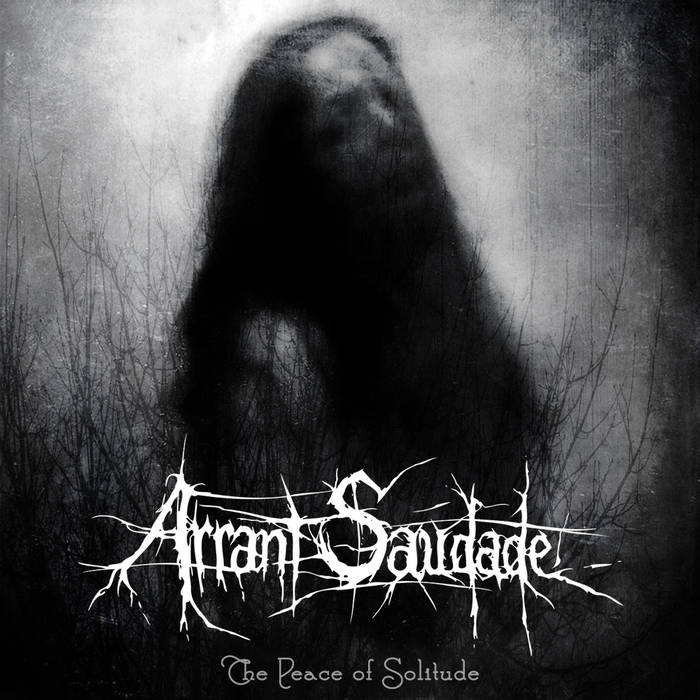
Arrant Saudade are a Funeral Doom band from the UK. This is their début album.
Featuring members of Aphonic Threnody and Abysmal Growls of Despair, you know there’s already a wealth of Doom experience and knowledge behind this release before you even hit play.
And when you do hit play, it starts off gently with piano, and then slowly awakens a the sleeping spirit of despair.
Slow, drawn-out and dripping with lost hope, these 5 songs take 44 minutes out of your life only to replace them with a very real and visceral sense of woe and misery.
Monstrous vocals are deep and unrelenting, growling their way through the solitude of the music like brutal and unwelcome guests.
So far, so Funeral Doom. But then Arrant Saudade do the unexpected and introduce clean vocals, and suddenly everything changes. Sometimes ethereal and sometimes sombre, these choir-like vocals are expertly performed and perfectly judged. When the angelic cleans soar above the beautiful music and seem to join with the resplendent melodies to create something greater than the sum of its Funeral Doom parts…it makes quite an impact I can tell you. Post-Funeral Doom? Sure, why not.
At any rate, the heavenly cleans and the dreamy, melancholic music seem to wash over you like liquid sound and it really is an uplifting and transcendent experience in many ways.
Okay, so not everything is perfect about this album – there are few which can lay claim to this grandiose title – but it’s hugely accomplished and, importantly, does something a bit different with the style. The core of the sub-genre is there with all of the hallmark traits, but The Peace of Solitude is far more emotive and atmospheric than most of its peers, gleaming with dazzling brightness and lustrous with magnificent despondency.
In some ways the growls are the weakest parts of these songs – it’s not that they’re badly done, (they’re not), it’s just that the rest of the music is so very well done that they have some catching up to do.
A relatively minor quibble though, in what is a very impressive slab of uplifting misery.
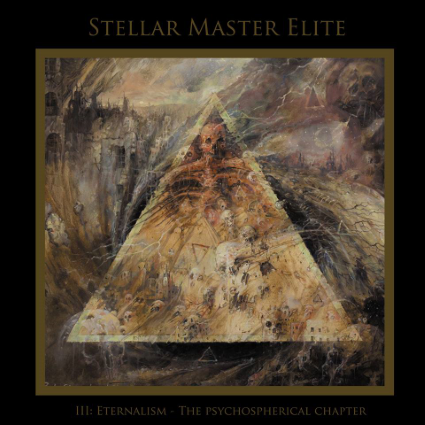
This is the third album from German Black Metallers Stellar Master Elite.
Here we have Black Metal that managers to foster an air of festering rot alongside a sophisticated malevolent darkness. It’s an intriguing combination that gives Stellar Master Elite a distincive flavour when compared to a lot of bands.
Their music has a depressive, Doom-drenched Black Metal base that’s not a million miles away from a band like Forgotten Tomb in spirit, although in reality they don’t sound too similar. The music is powerful and atmospheric without being pompous or overblown. This is very definitely epic music, but in a miserable, negativity-infused way.
The deep growling vocals consolidate the feelings of Funeral Doom/Death-gone-Black Metal. The singer’s voice is full of dark promise and has a gruff, tight character that allows it to be both brutal and compact. The screamed vocals are more typical-Black Metal, but no less effective for this. Clean vocals appear on the fourth track, adding yet another dimension to the band’s music.
Keyboards/synths/Hellsounds add a considerable amount to the already emotive Blackened dirge and it quickly becomes apparent that this is an integral aspect of the band’s music. They’re also creative and atypical in many respects, which is something I like.
This is a diverse and well-paced album, with lots to keep the listener interested and many different moods and palettes used effectively. There’s plenty of feeling thrown into the mix here, as well as a decent helping of prime-riffage. Occasionally the streamlined darkness that the band peddle brings to mind Enslaved and their sterling work in similar areas.
This is an impressive collection of long songs that successfully fuses Black Metal, Doom and all things dark and evil into 63 minutes of quality Metal.
Eye of Solitude are from the UK and Faal are from the Netherlands. They have teamed up to produce this dark, malevolent split where each band contributes one track.
Eye of Solitude are a particular favourite of mine, with a slew of quality releases, (Sui Caedere, Canto III, Dear Insanity), to their name. Here they contribute a 12 minute song – Obsequies.
The track starts off with an exotic flavour; Middle Eastern-inspired music that shortly is replaced with heavy guitars in the mournful, Doom/Death style. Eye of Solitude are very good at combining the stark heaviness of Doom with the rich melodic streaks of Doom/Death.
The vocals continue to be the pitch-black growls that we know and love so much. If anything the singer’s voice seems to be getting deeper as time passes, and his performance on Obsequies is quite monolithic. Combined with the slow pace of the accompanying funeral dirge each growl becomes akin to the passing of aeons.
The middle section of the song is comprised of a piano and violin section, amiably breaking up the crushing misery of the main composition with a textured, emotive exploration of grief.
After this, the song crawls to a natural close, all emotion spent, all energy drained.
After Eye of Solitude comes the contribution from Faal. This is a track called Shattered Hope that lasts over 13 minutes. I have not heard Faal before this, but they quickly draw me in with their atmospheric Funeral Doom.
Accompanied by subtle synths, their music is bleak and suicidal, reminding of some of the older, slower material from Forgotten Tomb, only with less Black Metal and more Doom/Death; maybe kind of Forgotten Tomb mixed with Esoteric?
Dark growling vocals appear to swim in and out of the music, adding highlights to it rather than being the main focal point. Although the band have a heavy side, Shattered Hope is more about mood and substance than heaviness for the sake of it. It’s slow, miserable and easy to become absorbed in. Before you know it, the long running time is over with and you’re left with an unsubstantiated feeling of having lost something important.
A quality split of slow, mournful Doom. Press play and lose all track of time.